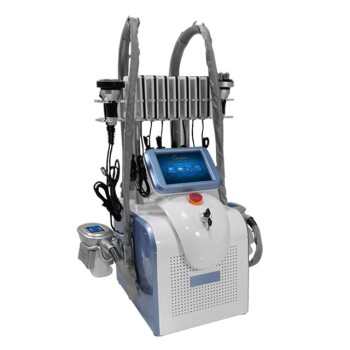
Arranging laser pulses without overlapping is a critical technical strategy designed to strictly control thermal dynamics within the skin tissue. By placing pulses adjacently rather than allowing them to stack, the system prevents excessive local heat accumulation, which is the primary cause of char formation and deep-tissue burns.
This precise stepping coverage method ensures that therapeutic energy is distributed uniformly, maximizing tissue remodeling efficacy while significantly reducing the risk of thermal damage to surrounding healthy structures.
Managing Thermal Dynamics for Safety
The primary technical advantage of a non-overlapping pulse arrangement is the mitigation of thermal injury. When laser energy is delivered, the tissue requires time to dissipate heat (thermal relaxation time).
Preventing Heat Accumulation
If laser pulses overlap, the heat from the second pulse adds to the residual heat of the first. This "stacking" effect raises tissue temperature beyond therapeutic levels into destructive ranges.
Eliminating Char Formation
Excessive surface heat leads to carbonization, commonly known as char formation. By strictly enforcing a non-overlapping pattern, the laser ensures the epidermis remains intact, preventing surface burns.
Avoiding Deep-Tissue Burns
For technologies that penetrate deeply, such as ND YAG lasers, overlapping can cause damage in the lower dermis. Preventing overlap protects deep structures from cumulative thermal trauma.
Optimizing Treatment Efficacy
Beyond safety, non-overlapping arrangements are essential for consistent clinical outcomes.
Uniform Energy Distribution
This method utilizes a precise stepping coverage. This ensures that every distinct section of the treatment area receives the exact same dosage of energy.
Maximizing Tissue Remodeling
Therapeutic results rely on triggering a specific biological response, such as pigment fragmentation or collagen production. Uniform spacing ensures the entire area is remodeled evenly, avoiding "hot spots" or untreated gaps.
Protecting Surrounding Tissue
As noted in ND YAG applications, the goal is to break down pigment without damaging the "bystander" tissue. Non-overlapping pulses confine the energy to the target area, preserving the integrity of the surrounding skin.
Understanding the Trade-offs
While non-overlapping arrangements are safer, they present specific technical challenges that must be managed.
The Risk of Under-Treatment
If the "step" between pulses is too large, it creates gaps of untreated skin. This can lead to uneven results or a "checkerboard" appearance where pigment remains in the spaces between pulses.
Reliance on Precision
Achieving perfect adjacent placement without overlap requires high-precision mechanics or skilled manual operation. Any deviation results in either dangerous overlap or ineffective gaps.
Making the Right Choice for Your Goal
Selecting a system with precise, non-overlapping pulse delivery depends on your specific clinical priorities.
- If your primary focus is Patient Safety: Prioritize this arrangement to eliminate the risk of charring and minimize the potential for deep thermal burns.
- If your primary focus is Consistent Results: Rely on this method to ensure uniform energy distribution, preventing irregular textures or patchy pigmentation removal.
- If your primary focus is Comfort: Note that avoiding heat accumulation significantly reduces the pain sensation associated with thermal stacking.
Mastering pulse arrangement is the key to balancing aggressive treatment of pathology with the preservation of healthy tissue.
Summary Table:
| Technical Aspect | Advantage of Non-Overlapping | Clinical Impact |
|---|---|---|
| Thermal Dynamics | Prevents heat accumulation & stacking | Reduces risk of deep-tissue burns |
| Surface Protection | Eliminates carbonization (charring) | Ensures epidermis remains intact |
| Energy Delivery | Precise stepping coverage | Achieves uniform tissue remodeling |
| Patient Comfort | Limits excessive temperature spikes | Minimizes pain during treatment |
| Tissue Integrity | Confines energy to target zones | Protects surrounding healthy tissue |
Elevate Your Clinic’s Standards with BELIS Technology
Precision is the difference between an average result and an exceptional transformation. BELIS specializes in professional-grade medical aesthetic equipment designed exclusively for clinics and premium salons.
Our advanced systems—including Pico and Nd:YAG lasers, CO2 Fractional technology, and Microneedle RF—utilize sophisticated pulse management to ensure patient safety while maximizing clinical efficacy. Whether you are looking for superior body sculpting solutions like EMSlim and Cryolipolysis or high-end facial care like our Hydrafacial and Skin Testing systems, we provide the tools your business needs to thrive.
Ready to upgrade your practice with industry-leading precision?
Contact Us Today to Explore Our Product Portfolio
References
- Anil P. Gosavi, Neelam Bhatt. Resurfacing of facial acne scars with pulsed carbon dioxide laser: a case series of 10 patients. DOI: 10.18203/issn.2455-4529.intjresdermatol20205605
This article is also based on technical information from Belislaser Knowledge Base .
Related Products
- Multifunctional Laser Hair Growth Machine Device for Hair Growth
- Cryolipolysis Fat Freezing Machine and Ultrasonic Cavitation Device
- Cryolipolysis Fat Freezing Machine with Cavitation and Laser Lipolysis
- EMSlim RG Laser Body Sculpting and Slimming Machine
- Multifunctional Laser Hair Growth Machine Device for Hair Growth
People Also Ask
- Why do professional-grade laser hair growth devices integrate LCD displays? Achieve Clinical Precision in Every Session
- What is a typical treatment schedule when using a laser hair growth device? Maximize Results with the Proven Protocol
- How do professional-grade laser stimulation devices contribute to improving hairline morphology? Revitalize Growth & Symmetry
- For which conditions have laser hair growth treatment devices been approved? Targeted Solutions for Androgenic Alopecia
- How do the biological phases of the hair growth cycle inform the clinical application of specialized hair growth devices for treating androgenetic alopecia? Insights for Clinics & Salons