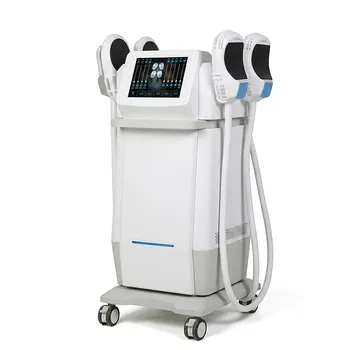
Submental cryolipolysis should be performed only by trained practitioners using the device manufacturer’s instructions for use (IFU). A standard workflow includes patient assessment, treatment-area marking, complete skin protection with a gel pad, controlled vacuum cooling, careful applicator removal, and documented post-treatment monitoring. For the referenced protocol, the submental applicator operates at approximately −10°C to −11°C for 45–60 minutes, but settings and cycle times must never be transferred between devices without verification.
The central safety requirement is complete skin protection and controlled tissue capture. After treatment, expect temporary coldness, firmness, swelling, numbness, and a molded or “butter-stick” appearance; perform only the post-treatment massage and aftercare permitted by the device IFU and clinical protocol.
Establish a Safe Treatment Plan
Confirm suitability before treatment
Conduct a medical history, physical assessment, and focused examination of the submental tissue before proceeding. Document relevant conditions, medications, prior procedures, altered sensation, cold sensitivity, skin integrity, and the patient’s expectations.
Cryolipolysis is a body-contouring procedure, not a weight-loss treatment. Confirm that the concern is localized submental adipose tissue rather than loose skin, enlarged lymph nodes, a thyroid or salivary-gland issue, or another condition requiring medical evaluation.
Use informed consent
Explain the expected temporary effects, the possibility of incomplete or asymmetric improvement, and the need for realistic expectations. Consent should also address less common risks, including prolonged sensory changes, skin injury, contour irregularity, and paradoxical adipose hyperplasia.
Mark the treatment zone
Mark the intended treatment window with the patient upright and in a consistent anatomical position. For broader contours, two overlapping windows may be considered only when the applicator design and IFU permit it; the referenced protocol specifies a 20% central overlap for two sessions in one visit.
Prepare the Skin and Equipment
Clean and inspect the skin
Clean and dry the treatment area, then inspect it for cuts, dermatitis, infection, open wounds, or other conditions that could compromise treatment. Do not treat over damaged skin unless the manufacturer’s instructions and a qualified clinician specifically permit it.
Apply the protective gel pad
Place a new, intact protective gel pad completely over the marked treatment zone. Smooth it carefully to eliminate folds and air bubbles, because incomplete contact can increase the risk of cold-related skin injury.
The pad must remain correctly positioned throughout the cycle. Recheck the margins before engaging suction.
Protect the vacuum circuit
Apply the specified lubricant gel and install a new disposable gel trap or equivalent protective barrier in accordance with the device’s IFU. This helps prevent gel or tissue contamination from entering the vacuum line.
Confirm that the applicator, tubing, sensors, and cooling system are clean, intact, and functioning before starting.
Perform the Submental Treatment
Position the concave applicator
Center the concave vacuum applicator over the marked submental region while maintaining the gel pad’s full coverage. The patient should be positioned comfortably, with the neck supported and the airway unobstructed.
Engage suction gradually and verify that the intended adipose tissue is drawn into the cup without excessive skin traction or discomfort.
Confirm adequate tissue capture
The captured subcutaneous fat should fill the appropriate portion of the applicator cup and reach the device’s retaining reference point or bar when the IFU specifies this check. Do not proceed if the applicator is capturing predominantly skin, insufficient tissue, or an anatomically inappropriate area.
Apply the validated cooling cycle
For the referenced submental protocol, maintain a preset temperature of approximately −10°C to −11°C for 45–60 minutes per treatment window. These values are not universal operating standards; the approved device protocol takes precedence.
Monitor the patient, treatment zone, suction, temperature, and device alarms throughout the cycle. Stop and assess immediately if there is unexpected severe pain, excessive suction, skin displacement, device malfunction, or a suspected loss of protective-pad coverage.
Manage wider treatment areas carefully
If two overlapping treatment windows are used, apply the manufacturer-approved overlap pattern and document the locations. A nominal 20% central overlap should not be improvised on devices or applicators that do not authorize overlapping treatment.
Remove the Applicator and Assess the Tissue
Release suction before removal
Complete the cycle or terminate it according to the IFU, then release vacuum before removing the applicator. Remove it carefully so that the treated tissue and protective gel pad are not pulled or displaced unnecessarily.
Recognize expected immediate findings
The area may be cold, firm, numb, swollen, erythematous, or temporarily molded into the applicator’s shape. A transient edematous “butter-stick” appearance can occur immediately after removal and generally should be documented rather than treated as an immediate treatment failure.
Assess skin color, integrity, sensation, pain, and swelling before proceeding with post-treatment care.
Apply Post-Procedure Care
Perform the specified massage
The referenced protocol calls for two minutes of manual massage immediately after applicator removal. One supplied protocol describes one minute of vigorous kneading followed by one minute of circular massage.
Massage should be performed only with appropriate clinical training and within the device’s IFU. Claims that massage produces a specific “up to 44%” increase in fat reduction, or that it deliberately causes reperfusion injury, should not be presented as a universal clinical guarantee; outcomes vary by device, protocol, patient, and study design.
Recheck the treatment site
After massage, reassess the skin and record the immediate response, including swelling, erythema, tenderness, numbness, and any unusual pain. Clean residual gel from the skin and provide the patient with written instructions.
Acoustic shockwave therapy is an optional adjunct in some practices, not a standard requirement for every cryolipolysis session. It should be used only when separately indicated, trained for, and supported by the relevant device protocol.
Explain normal short-term reactions
Patients should be told that temporary redness, swelling, bruising, tenderness, tingling, cramping, and altered sensation can occur. Numbness or sensitivity changes may persist longer than the visible swelling and should be reported if severe, worsening, or prolonged beyond the expected range explained during consent.
Understanding the Trade-offs
Do not confuse “standard” with “universal”
Cycle duration, cooling temperature, applicator geometry, vacuum level, gel-pad design, and overlap rules differ between systems. A protocol of 35–60 minutes may apply to certain vacuum devices, while non-vacuum surface applicators may use substantially longer cycles; these figures cannot be interchanged.
The manufacturer’s IFU, local regulations, clinical training, and patient-specific assessment override generic operating ranges.
Avoid unprotected or incomplete gel-pad placement
The gel pad is a critical barrier against cold injury. Wrinkles, gaps, air bubbles, incorrect sizing, or displacement during suction can expose the skin to avoidable risk.
Do not start or continue treatment if complete protection cannot be confirmed.
Be cautious with heat recommendations
The supplied references conflict on post-treatment heating: one advises avoiding active heating immediately after treatment, while another suggests warm compresses for discomfort. The safest operational rule is to avoid unapproved heat packs or deliberate heating immediately after treatment and follow the device IFU.
If comfort measures are needed, use only those specifically approved by the treating clinician, with careful attention to the patient’s reduced sensation.
Avoid unsupported medication instructions
Some protocols prefer acetaminophen over nonsteroidal anti-inflammatory drugs, but medication advice should be individualized by a qualified clinician. Do not instruct patients to stop prescribed medication or avoid NSAIDs without considering their medical history and the reason for treatment.
Alcohol avoidance may be reasonable when bruising is a concern, but it is not a substitute for appropriate clinical monitoring.
Set realistic expectations for aftercare
Hydration, a balanced diet, and regular activity support general health and help maintain body-contouring results. However, water does not literally “flush out” treated fat cells, and aftercare cannot guarantee a specific degree of fat reduction.
The body’s response develops over time, so immediate swelling or firmness should not be used to judge the final result.
Recognize When Follow-Up Is Needed
Schedule routine review
Provide a planned follow-up according to the practice protocol, commonly to assess symptom resolution, contour change, and patient satisfaction. Document photographs or measurements consistently if they are part of the practice’s evaluation process.
Escalate concerning symptoms
Patients should contact the provider promptly for severe or increasing pain, blistering, skin breakdown, marked discoloration, signs of infection, difficulty swallowing or breathing, or neurological symptoms. Persistent or enlarging firmness in the treated area also warrants clinical assessment.
A delayed, firm, enlarged bulge months after treatment may indicate paradoxical adipose hyperplasia, which requires professional evaluation rather than additional unsupervised treatment.
How to Apply This to Your Project
Use the following checklist as a minimum framework, then replace every generic parameter with the exact requirements for the specific equipment and jurisdiction.
- If your primary focus is procedural consistency: Standardize patient screening, treatment marking, gel-pad placement, disposable gel-trap use, tissue-capture checks, cycle documentation, massage, and post-treatment inspection.
- If your primary focus is patient safety: Prioritize complete skin protection, continuous monitoring, conservative termination criteria, clear warning signs, and documented follow-up.
- If your primary focus is treatment effectiveness: Use only validated device settings and applicator configurations, set realistic expectations, and avoid promising a fixed percentage improvement from massage or adjunctive therapy.
- If your primary focus is recovery: Provide written instructions on expected symptoms, approved comfort measures, activity, hydration, medication questions, and when to contact the clinic.
A safe, effective submental cryolipolysis program is defined by device-specific control, complete skin protection, qualified supervision, honest expectations, and structured follow-up.
Summary Table:
| Step | Key Actions | Critical Safety Points |
|---|---|---|
| Pre-treatment | Medical history, physical exam, informed consent, mark area | Confirm localized fat, not other conditions |
| Skin prep | Clean, dry, inspect skin; apply new gel pad without folds/air | Complete contact to prevent cold injury |
| Treatment | Position concave applicator, engage suction, check tissue capture, run cycle at −10°C to −11°C for 45–60 min | Monitor device and patient; stop if severe pain or malfunction |
| Applicator removal | Release suction, remove carefully | Assess skin color, integrity, sensation |
| Post-care | Manual massage for 2 min, reassess, clean, provide instructions | Do not use unapproved heat; monitor for side effects |
| Follow-up | Schedule review, document changes | Escalate if severe symptoms or suspicious bulge |
Upgrade your clinic with BELIS' professional-grade cryolipolysis systems, designed for safe and effective body contouring. Our devices meet stringent safety standards and come with comprehensive training support. For distributors, we offer attractive margins, OEM/ODM services, and global certifications. Contact our experts today to discuss how BELIS can boost your business — Get in touch!
Related Products
- Fat Freezing Cryolipolysis Machine for Body Contouring
- Fat Freezing Cryolipolysis Machine for Body Contouring
- Cryolipolysis Fat Freezing Machine Ultrasonic Cavitation Fat Reducing Device
- Cryolipolysis Fat Freezing Machine with Cavitation and Laser Lipolysis
- Cryolipolysis Fat Freezing Machine and Ultrasonic Cavitation Device
People Also Ask
- What are the main benefits of using a fat freezing machine? Achieve Permanent, Non-Surgical Body Sculpting
- Do fat freezing machines really work? Achieve Non-Invasive Body Contouring
- What are the potential side effects and risks associated with fat freezing? Safety Profile & Rare Risks Explained
- What are the clinical and safety risks of using uncertified or replicate cryolipolysis body contouring equipment? Avoid hyperpigmentation and legal exposure with certified systems.
- What maintenance and service aspects are important when purchasing a fat freezing machine? Maximize ROI & Reliability