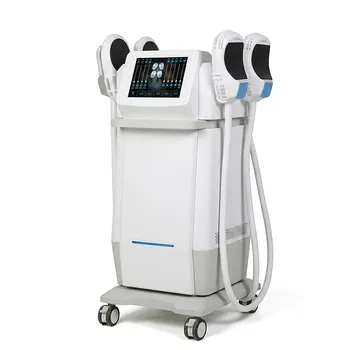
For non-invasive bipolar RF striae treatment, use approximately 40-50 W at 1 MHz and control the skin surface temperature at 40-42°C for about 2 minutes per treatment zone. Apply a thin conductive layer of glycerin oil, keep the applicator moving continuously with gentle pressure, and perform treatment without local anesthesia in the referenced protocol. Monitor epidermal temperature throughout treatment with a handheld infrared thermometer, and complete approximately six sessions scheduled weekly or monthly, depending on the treatment plan and device guidance.
The treatment endpoint is controlled heating, not maximum power. RF settings should be adjusted to maintain a stable 40-42°C epidermal temperature while the applicator moves continuously, with repeated temperature checks used to prevent excessive heating.
Recommended Operating Parameters
Use Bipolar RF at the Referenced Settings
The primary reference describes an average output power of 40-50 W at a frequency of 1 MHz for non-invasive bipolar RF striae treatment.
These values should be treated as a reference protocol, not a universal prescription. Actual settings must remain within the device manufacturer’s instructions and account for applicator design, treatment area, skin characteristics, and device calibration.
Apply a Thin Conductive Layer
Apply a thin layer of glycerin oil to the treatment area before activating the RF applicator.
The layer should support smooth contact and movement without creating excessive slip or allowing the applicator to lose consistent contact with the skin.
Keep the Applicator Moving
Sweep the applicator continuously over the target striae with gentle, even pressure.
Stationary placement can create localized overheating. Continuous movement helps distribute thermal energy more evenly across the treatment zone.
Use Temperature as the Treatment Endpoint
Maintain an epidermal temperature of approximately 40-42°C for about 2 minutes per treatment zone.
Power should be reduced, movement increased, or treatment paused if the temperature rises above the intended therapeutic range. The operator should not continue increasing energy simply to shorten the treatment time.
Skin Monitoring Procedures
Measure Temperature in Real Time
Use a handheld infrared thermometer to monitor the epidermal temperature during treatment.
Measurements should be taken repeatedly while the applicator is moving, particularly when initiating treatment, approaching the target temperature, changing zones, or adjusting power.
Standardize the Measurement Method
Measure comparable points within each treatment zone so that temperature readings can be meaningfully compared during the session.
The operator should also use the thermometer according to its instructions, including the required measurement distance and surface-reading conditions. Conductive media, surface moisture, and device positioning can influence infrared readings, so visual and patient feedback remain important safeguards.
Observe the Skin Continuously
Temperature readings should be combined with direct observation of the treated skin.
Monitor for excessive erythema, sharply demarcated redness, blanching, blistering, unusual swelling, mottled discoloration, or any other unexpected reaction. Treatment should be paused if the skin response is inconsistent with controlled, mild-to-moderate warmth and erythema.
Ask About Patient Sensation
The patient should be asked regularly about heat, discomfort, burning, stinging, or pain.
A sudden increase in discomfort can indicate excessive localized heating or poor applicator movement, even when a spot temperature reading appears acceptable. Patient feedback should prompt immediate reassessment rather than be dismissed as a normal treatment response.
Record the Treatment
Document the treatment area, RF frequency, power setting, treatment duration, temperature range, patient tolerance, and observed skin response.
Recording these details supports consistent treatment across sessions and helps identify whether a reaction is related to energy, duration, technique, or an individual skin response.
Treatment Scheduling and Session Planning
Plan Approximately Six Sessions
The primary reference reports treatment courses consisting of six weekly or monthly sessions.
The appropriate interval depends on the device protocol, the patient’s skin response, and the clinician’s assessment. Improvement should be evaluated across the treatment course rather than judged solely from immediate post-treatment redness or tightening.
Divide Large Areas Into Zones
Large striae-affected areas should be divided into manageable treatment zones.
Treat each zone for approximately the planned duration while maintaining continuous motion and the 40-42°C temperature target. Zone-based treatment reduces the likelihood of unintentionally concentrating energy in one location.
Evaluate Progress Consistently
Assess striae improvement using consistent photographs, lighting, positioning, and clinical observations.
The referenced protocol reports overall striae improvement and reductions in width and length in more than 85% of treated subjects after the treatment course. This result should not be presented as a guarantee for every patient because outcomes depend on striae characteristics, treatment technique, device parameters, and patient factors.
Understanding the Trade-offs
Do Not Transfer Vacuum RF Settings Automatically
The supplementary reference describes vacuum-assisted RF settings such as 2-10 W, vacuum levels of 8-28 inches of mercury, pulse durations of 1-5 seconds, and multiple passes.
Those values are associated with a different device configuration and should not be substituted for the bipolar striae protocol. Vacuum level, pulse duration, energy per pulse, and number of passes are device-specific variables.
Higher Energy Is Not Automatically Better
Increasing power may raise skin temperature more rapidly, but it can also reduce the operator’s ability to control heat distribution.
The clinically relevant endpoint is controlled tissue heating within the specified temperature range, not the highest available output or the greatest subjective sensation of heat.
Infrared Thermometry Has Limitations
A handheld infrared thermometer measures surface temperature and may not reflect the temperature of deeper tissue.
For that reason, temperature readings should be interpreted together with applicator movement, contact quality, treatment time, skin appearance, and patient sensation. A thermometer also does not replace adherence to the device’s built-in safety controls or manufacturer instructions.
Avoid Treating Through Unexpected Skin Reactions
Unexpected lesions, active inflammation, open skin, infection, or a concerning change in pigmentation should be assessed before treatment continues.
The procedure should be deferred or modified when the skin barrier or clinical presentation makes controlled thermal treatment inappropriate. Patient-specific contraindications and precautions must be reviewed by a qualified clinician before treatment.
Account for the Absence of Anesthesia
The referenced treatment is performed without local anesthesia, allowing the patient to report excessive heat or pain during the procedure.
If anesthesia is introduced, it may reduce this protective feedback and should only be used when consistent with the device protocol and appropriate clinical oversight.
Applying the Protocol Safely
The following recommendations summarize how to match the operating approach to the treatment goal:
- If your primary focus is temperature control: Use approximately 40-50 W at 1 MHz, keep the applicator moving, and maintain each zone at 40-42°C for about 2 minutes.
- If your primary focus is skin safety: Combine real-time infrared temperature checks with continuous visual inspection and regular patient feedback.
- If your primary focus is treatment consistency: Divide the area into zones, document settings and responses, and use approximately six weekly or monthly sessions as the reference course.
- If your primary focus is device selection or parameter transfer: Use only settings validated for the specific bipolar RF system, because vacuum-assisted and fractional RF parameters are not interchangeable.
- If your primary focus is outcome assessment: Compare standardized photographs and clinical measurements over the full treatment course rather than relying on immediate post-treatment appearance.
Controlled temperature, consistent applicator motion, and disciplined skin monitoring are the central safeguards for delivering bipolar RF striae treatment effectively.
Summary Table:
| Parameter | Recommended Value | Purpose |
|---|---|---|
| Frequency | 1 MHz | Standard for bipolar RF striae treatment |
| Power | 40-50 W | Achieves target temperature |
| Temperature | 40-42°C | Therapeutic endpoint |
| Duration per zone | ~2 minutes | Ensures sufficient thermal exposure |
| Conductive medium | Glycerin oil | Facilitates smooth applicator movement |
| Applicator motion | Continuous sweeping | Prevents overheating and distributes heat evenly |
| Monitoring | Infrared thermometer + visual + patient feedback | Ensures safety and efficacy |
| Session frequency | Weekly or monthly | Over a course of ~6 sessions |
Ready to elevate your aesthetic practice with advanced RF technology? At BELIS, we specialize in professional-grade medical aesthetic equipment for clinics and premium salons. Our portfolio includes cutting-edge laser systems, IPL, and PDT devices, as well as body sculpting solutions like HIFU and RF systems. Whether you're seeking to enhance your striae treatment offerings or expand your device range, our experts provide tailored solutions with OEM/ODM support and full certifications. Contact us today to discover how our technology can boost your practice's success and client satisfaction. Get in touch now.
Related Products
- 9D 7D HIFU Vaginal RF Lifting Treatment
- EMSlim Neo Nova Body Sculpting EMS Sculpting Machine
- Ultrasonic Cavitation Radiofrecuency Machine for Body Slimming
- EMS Body Sculpting Slimming Machine EMSlim Body Slimming Machine
- Ultrasonic Cavitation Machine Lipo Laser Device
People Also Ask
- Is HIFU treatment considered safe and what are the potential risks? A Guide to Safe Non-Invasive Skin Tightening
- Is a HIFU treatment painful? Discover Comfort Levels and Results for Non-Surgical Lifting
- How does HIFU treatment differ from other skin tightening procedures? Compare Non-Invasive Lifting vs. Surgery
- What are the primary benefits of HIFU treatment? Reveal a Youthful V-Line and Firm Skin Non-Invasively
- Why are HIFU systems equipped with multiple treatment handpieces? Precision Depth Control for Superior Skin Results