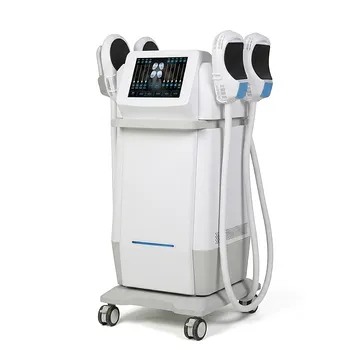
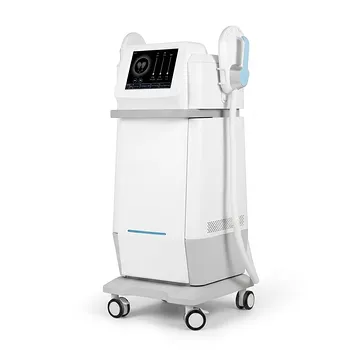
Professional cryolipolysis equipment is primarily indicated for non-invasive reduction of localized subcutaneous fat, not general weight loss. Appropriate candidates are generally adults near their target weight who have discrete, pinchable fat deposits and realistic expectations. Before treatment, clinicians must screen for cold-sensitivity disorders, impaired circulation, local tissue problems, pregnancy-related considerations, and device-specific contraindications; the procedure must follow the manufacturer’s instructions for use and applicable clinical regulations.
Cryolipolysis is a contouring procedure for selected fat pockets, not a treatment for obesity. Safe operation depends on careful patient selection, protection of the skin, correct applicator positioning and settings, monitoring throughout the cycle, and clear counseling that results develop gradually.
What Cryolipolysis Is Designed to Treat
Localized Fat Reduction
Cryolipolysis uses controlled cooling to make lipid-rich adipose tissue more vulnerable to cold than surrounding tissues. Cooling induces adipocyte injury and programmed cell death, after which the affected cells are gradually cleared by the body.
The treatment is intended to reduce discrete subcutaneous fat bulges, not to produce systemic weight loss or replace dietary management, exercise, or bariatric or surgical procedures.
Common Treatment Areas
Commonly treated areas include:
- Abdomen
- Flanks or “love handles”
- Upper-back or bra-fat pads
- Thighs
- Upper arms
- Submental or submandibular fat, when the device is specifically cleared for that area
Treatment areas vary by device clearance and applicator design. A clinician should confirm that the intended body region is included in the equipment’s approved indications.
Suitable Candidates
The strongest candidates usually have:
- A stable body weight near their desired weight
- A localized and clearly defined fat deposit
- Adequate subcutaneous fat for the selected applicator
- Skin and tissue that can be safely contacted or drawn into the applicator
- Realistic expectations about the degree and timing of improvement
Some device protocols specify a minimum fat thickness or BMI range. These thresholds are device-specific and must be verified in the current manufacturer’s documentation rather than assumed to apply universally.
When Cryolipolysis Should Not Be Performed
Cold-Sensitivity Disorders
Cryolipolysis should not be used in patients with conditions that make cold exposure unsafe, including:
- Cold urticaria
- Cryoglobulinemia
- Cold agglutinin disease
- Paroxysmal cold hemoglobinuria
- Severe Raynaud’s phenomenon or Raynaud’s disease
- Other clinically significant cold hypersensitivity disorders
These conditions can cause abnormal vascular or blood-related reactions during cooling.
Pregnancy and Other Special Populations
Cryolipolysis is not intended for pregnant patients. Treatment during lactation should be deferred unless the applicable device labeling and the responsible clinician specifically support its use.
The procedure is generally not intended for pediatric patients. Any use outside the labeled population requires appropriate medical justification, regulatory compliance and specialist oversight.
Local Skin, Tissue and Circulatory Problems
Do not treat areas with:
- Open wounds, active infection or significant dermatitis
- Active dermatological lesions
- Reduced sensation that would impair symptom reporting
- Poor peripheral circulation
- Significant tissue compromise
- Abdominal-wall hernias near the proposed treatment zone
A hernia or other structural abnormality may be worsened or obscured by suction and cooling. The treatment area should be examined before the applicator is applied.
Severe Pain Syndromes and Other Clinical Concerns
Patients with a history of severe chronic pain syndromes require particular caution and may be unsuitable candidates, depending on the condition and device guidance. Cryolipolysis can produce temporary pain, numbness, sensitivity and discomfort.
Patients should also be evaluated for factors that could make post-treatment symptoms difficult to assess or manage. The clinician should document relevant medical history, medications, prior procedures and any condition affecting sensation, circulation or healing.
Procedural Guidelines for Professional Operation
Perform a Formal Pre-Treatment Assessment
The practitioner should confirm the treatment goal, examine the proposed area and determine whether the fat is sufficiently localized and accessible for the selected applicator.
The consultation should cover expected benefits, alternatives, limitations, potential adverse effects and the gradual nature of results. Informed consent should be obtained and the treatment plan documented.
Match the Applicator to the Anatomy
Vacuum applicators draw a fold of tissue between cooling plates. They are best suited to fat deposits that can be safely grasped and positioned within the applicator cup.
Flat or non-vacuum applicators may be used for selected non-pinchable areas when the device is designed and cleared for that purpose. Applicator choice, placement and treatment parameters must follow the manufacturer’s protocol.
Protect the Skin With the Approved Barrier
A protective thermal coupling sheet or membrane should be placed over the treatment area before applicator contact. This barrier helps protect the skin from excessive cold exposure and must be used exactly as specified by the equipment manufacturer.
The practitioner should verify that the sheet is correctly positioned, intact and appropriate for the applicator. The device should not be operated if the protective barrier is missing, damaged or improperly placed.
Apply the Applicator and Verify Contact
For vacuum treatment, the target tissue is drawn into the applicator using controlled suction. The operator should confirm that the tissue is centered, that the applicator is stable and that adjacent structures are not being unintentionally captured.
The treatment area, applicator position, cycle parameters and patient-reported baseline symptoms should be recorded. The operator should remain able to monitor the patient and should respond to excessive pain, unusual skin changes or equipment alarms.
Use Device-Specific Cooling Cycles
Many professional systems use treatment cycles of approximately 45 to 60 minutes, but duration, temperature, suction level and applicator configuration vary by device and body region.
Preset protocols should not be altered based on a generic temperature or time value. The current instructions for use, training requirements and local clinical standards determine the correct settings.
Monitor Throughout the Cycle
The practitioner should monitor the patient, treatment area and equipment during the full cycle. Treatment should be stopped and the area assessed if the patient experiences severe or unexpected pain, marked burning, abnormal discoloration or other concerning symptoms.
A normal immediate response can include intense cold, firmness, swelling, redness, bruising, tingling or temporary numbness. These findings should still be documented and distinguished from signs of tissue injury.
Manage the Immediate Post-Treatment Period
After applicator removal, the treated tissue may feel firm and cold and may appear temporarily swollen or distorted. The area should be inspected for skin integrity, excessive discoloration and other abnormalities.
Manual massage immediately after treatment is included in some professional protocols and may be recommended by the manufacturer. When used, it should be performed according to the device protocol and patient tolerance; the evidence and labeling for massage-enhanced efficacy are not identical across all systems.
Expected Results and Patient Counseling
Improvement Is Gradual
Visible contour improvement typically develops over approximately two to four months, although the timeline varies by patient, treatment area and device. The body gradually removes affected adipocytes rather than eliminating the fat immediately at the end of the cycle.
Patients should understand that cryolipolysis changes contour in a selected area. It does not prevent future weight gain or correct all causes of fullness, including skin laxity or muscle prominence.
Multiple Sessions May Be Appropriate
Some patients may benefit from more than one treatment session, especially when the area is broad or the desired contour change is substantial. Additional treatment should be considered only after evaluating the initial response and allowing adequate time for results to develop.
Overlapping placements and specialized protocols, including those for the submental region, must follow the specific device instructions. The practitioner should not generalize one applicator’s overlap or positioning rules to another system.
Understanding the Trade-offs
It Is Not an Obesity Treatment
Cryolipolysis is unsuitable for patients seeking broad or systemic weight reduction. Large-volume obesity treatment requires a different clinical strategy and may involve nutrition, medical weight management, metabolic evaluation or surgery.
Using cryolipolysis where substantial weight loss is needed can produce disappointing results and may delay appropriate care.
Results Are Limited and Variable
The procedure reduces selected fat deposits but does not guarantee symmetry or a specific percentage of contour change. Results depend on anatomy, tissue thickness, applicator fit, treatment parameters and individual biological response.
Patients with significant skin laxity may remain dissatisfied even when fat reduction occurs. Cryolipolysis does not remove excess skin.
Adverse Effects Require Disclosure
Expected temporary effects may include pain, tenderness, redness, swelling, bruising, firmness, tingling and numbness. Sensory changes can persist beyond the immediate recovery period.
Less common but important risks include localized cold injury and paradoxical adipose hyperplasia, in which the treated area becomes enlarged or firmer rather than smaller. Patients should be told when to contact the treating clinician and how persistent or worsening changes will be evaluated.
Device Marketing Is Not a Substitute for Clinical Judgment
Clearance for one body region, applicator or protocol does not automatically authorize use in another. Operators should rely on current labeling, documented training, maintenance records and clinical assessment rather than generic online settings or promotional claims.
How to Apply This to Your Practice
A defensible workflow combines patient screening, device-specific planning, protective skin coverage, monitored treatment delivery, post-treatment assessment and structured follow-up.
- If your primary focus is patient safety: Screen systematically for cold-related disorders, pregnancy-related considerations, local lesions, hernias, impaired circulation, altered sensation and severe pain syndromes before treatment.
- If your primary focus is treatment efficacy: Select stable-weight patients with discrete, accessible fat deposits and match the applicator and protocol to the approved treatment area.
- If your primary focus is procedural consistency: Use the manufacturer’s current instructions for protective membranes, positioning, cooling parameters, cycle duration, monitoring and post-treatment care.
- If your primary focus is informed consent: Explain that cryolipolysis is localized contouring, that results develop over two to four months, and that outcomes and adverse effects vary.
- If your primary focus is risk management: Document screening, consent, treatment settings, skin observations, patient tolerance and follow-up findings, and investigate persistent or unusual changes promptly.
Professional cryolipolysis is most appropriate when rigorous screening and device-specific technique are used to deliver modest, localized contour improvement to carefully selected patients.
Summary Table:
| Aspect | Indications | Contraindications |
|---|---|---|
| Patient | Stable weight, localized fat, realistic expectations | Cold sensitivity, pregnancy, poor circulation |
| Area | Abdomen, flanks, thighs, arms, submental | Open wounds, hernias, active infection |
| Procedure | Use approved barrier, correct applicator, monitor cycle | Alter settings without manufacturer protocol |
| Results | Gradual over 2-4 months, multiple sessions possible | Not for obesity, skin laxity not corrected |
Ensure safe and effective cryolipolysis treatments with BELIS professional equipment. Our advanced body sculpting devices meet clinical standards. Contact us today to elevate your practice and expand your service offerings—schedule a consultation at #ContactForm.
Related Products
- Fat Freezing Cryolipolysis Machine for Body Contouring
- Cryolipolysis Fat Freezing Machine Ultrasonic Cavitation Fat Reducing Device
- Fat Freezing Cryolipolysis Machine for Body Contouring
- Cryolipolysis Fat Freezing Machine and Ultrasonic Cavitation Device
- Cryolipolysis Fat Freezing Machine with Cavitation and Laser Lipolysis
People Also Ask
- What are the main benefits of using a fat freezing machine? Achieve Permanent, Non-Surgical Body Sculpting
- Do fat freezing machines really work? Achieve Non-Invasive Body Contouring
- What are the potential side effects and risks associated with fat freezing? Safety Profile & Rare Risks Explained
- What are the clinical and safety risks of using uncertified or replicate cryolipolysis body contouring equipment? Avoid hyperpigmentation and legal exposure with certified systems.
- What maintenance and service aspects are important when purchasing a fat freezing machine? Maximize ROI & Reliability