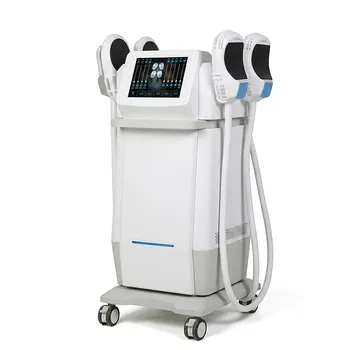
Professional RF skin treatments require strict patient screening and continuous thermal control. The primary contraindications include pregnancy or breastfeeding, active infection or open wounds, active skin cancer, impaired healing, and implanted electronic devices such as pacemakers or defibrillators. Safe operation depends on correct device preparation, complete skin contact, appropriate conductive medium, continuous patient communication, and adherence to the manufacturer’s instructions.
The central safety principle is controlled energy delivery: do not treat unsuitable patients, and never deliver RF unless the handpiece maintains full contact and the patient’s thermal response is being actively monitored.
Screen the Patient Before Treatment
Identify absolute or major contraindications
Postpone or avoid treatment for patients with:
- Pregnancy or breastfeeding, unless the treating medical professional and device instructions specifically establish otherwise.
- Active skin infection, herpetic outbreak, open wound, or active inflammatory lesion in the treatment area.
- Active skin cancer or an undiagnosed suspicious lesion.
- Implanted electronic devices, including pacemakers, defibrillators, neurostimulators, or other active implants.
- Uncontrolled diabetes or significantly impaired healing capacity.
- Active autoimmune or collagen-vascular disease, particularly when it affects the skin or healing response.
- Metallic implants, superficial metal, or metallic tattoos in or directly beneath the treatment zone, especially with monopolar RF.
These conditions can increase the risk of infection, delayed healing, burns, disease exacerbation, or interference with an electronic device.
Distinguish device-specific risks
RF safety depends on whether the system is monopolar, bipolar, multipolar, fractional, or invasive. A grounding pad, for example, creates different electrical considerations from a fully localized bipolar system.
Metal near the treatment area may concentrate heat, while active implants may be affected by electrical energy. The device’s intended use, contraindication list, and manufacturer instructions must therefore take priority over generic RF guidance.
Assess relative risks and treatment timing
Use additional caution with thin or fragile skin, advanced age, smoking, a history of keloid formation, autoimmune disease, and poor general health. Medications that impair healing or collagen remodeling may also require medical review.
A recent procedure, injectable treatment, chemical peel, laser treatment, or surgery in the target area may require postponement. The appropriate interval depends on the procedure, tissue condition, and device protocol.
Complete a Documented Pre-Treatment Assessment
Obtain medical history and informed consent
Document relevant medical conditions, medications, allergies, prior aesthetic procedures, implants, healing problems, herpes history, and previous adverse reactions to energy-based treatments.
Informed consent should explain the expected result, limitations, possible discomfort, burns, pigment changes, swelling, temporary sensitivity, and the possibility that multiple sessions may be needed.
Examine the treatment area
Do not treat over open skin, active lesions, unexplained rashes, infection, or suspicious growths. Record the baseline condition of the skin and consider standardized photographs before each session.
Photographs support objective assessment and help prevent unrealistic expectations about the degree of tightening or remodeling RF can provide.
Obtain medical clearance when appropriate
Written medical approval may be necessary for patients with significant systemic disease, autoimmune conditions, impaired healing, complex medication profiles, or uncertain implant status.
When the contraindication status is unclear, do not proceed until it has been resolved. A treatment opportunity is not a reason to override an unresolved safety concern.
Prepare the Skin and Equipment Correctly
Clean and degrease the area
Thoroughly cleanse the treatment zone and remove makeup, oils, residue, and other contaminants. If alcohol is used as a degreasing agent, it must be fully evaporated before RF energy is delivered because residual alcohol can create a flammability hazard.
The skin should be intact and dry except for the conductive medium required by the specific system.
Use the correct conductive medium
Apply the manufacturer-approved conductive gel, oil, or interface medium in the amount specified by the device protocol. Its purpose is to support smooth handpiece movement and consistent energy delivery.
Do not substitute products casually. An inappropriate medium can alter impedance, reduce energy consistency, interfere with sensors, or damage the handpiece.
Check the system before use
Inspect the handpiece, cables, electrodes, grounding pad where applicable, cooling system, and control settings. Verify that the device is operating within its service and calibration requirements.
Where available, confirm that contact interlocks, impedance monitoring, and cooling functions are active. These features reduce risk but do not replace operator judgment.
Deliver RF Energy Safely
Maintain complete, continuous contact
The electrodes must remain flush and fully engaged with the skin during energy delivery. Partial contact, lifting, rocking, or rapid repositioning while firing can produce electrical arcing and localized epidermal burns.
Move the handpiece according to the device protocol rather than dwelling in one area. Never activate RF while the device is suspended above the skin.
Control temperature and energy exposure
Begin with the appropriate conservative setting for the patient, anatomical area, skin condition, and treatment objective. Increase energy only when the device protocol permits and the patient’s response remains acceptable.
Therapeutic heating must be controlled; excessive heat does not reliably produce a better result and can increase the risk of burns, inflammation, pigment alteration, or unwanted tissue damage.
Use cooling and impedance controls properly
Modern systems may provide contact cooling, cryogen cooling, temperature monitoring, or real-time impedance calibration. These mechanisms help protect the epidermis and maintain more consistent energy delivery.
Cooling should be used exactly as specified. It must not be treated as permission to use excessive energy or to ignore patient discomfort.
Maintain active patient communication
Ask the patient to describe heat, pain, sharpness, or unusual sensations during treatment. Patient feedback is an important safety signal because it can reveal excessive heating before visible injury develops.
Avoid nerve blocks or heavy numbing when the protocol depends on thermal feedback. Anesthetized tissue may prevent the patient from warning the operator that the temperature is becoming unsafe.
Monitor During and After Treatment
Watch the skin continuously
Observe for excessive erythema, blanching, blistering, unusual swelling, sharp pain, smoke, odor, or signs of arcing. Stop immediately if the response exceeds the expected treatment endpoint.
Do not continue simply because the planned number of passes or pulses has not been completed.
Document the treatment
Record the device and handpiece, treatment area, settings, number of passes or pulses, conductive medium, cooling method, patient response, and any observed reaction.
Consistent documentation improves treatment reproducibility and provides an objective record if a complication occurs.
Provide aftercare instructions
Explain expected short-term redness, warmth, tenderness, or swelling, along with warning signs requiring prompt review. Patients should know how to protect the treated area and which products or procedures to avoid immediately afterward.
If a burn, blister, severe pain, marked swelling, or unexpected skin change develops, arrange appropriate clinical assessment rather than attempting to conceal or self-treat the reaction.
Understanding the Trade-offs
“More heat” is not automatically more effective
RF works through controlled tissue heating, but the therapeutic window is limited. Excessive energy can cause injury without proportionally improving tightening or collagen remodeling.
The correct endpoint is controlled, protocol-defined heating, not the highest tolerable temperature.
Numbing improves comfort but reduces feedback
Anesthetic techniques can make treatment more comfortable, particularly for invasive or high-energy procedures. However, reducing sensation can remove an important warning system during thermal treatment.
If anesthesia is necessary, the clinician must compensate with stricter objective monitoring and a protocol designed for its use.
Generic rules cannot replace device training
A protocol appropriate for one RF platform may be unsafe for another. Differences in electrode configuration, grounding, frequency, cooling, impedance behavior, and treatment depth materially affect risk.
Only trained, authorized operators should use the specific device, and invasive RF procedures require the appropriate clinical qualifications and sterile technique.
“Few contraindications” does not mean low responsibility
RF is nonionizing, but it can still cause thermal injury and may interact with implants or compromised tissue. Careful screening remains essential even when the procedure is marketed as minimally invasive or noninvasive.
Making the Right Choice for Your Goal
The safest protocol is the one matched to the patient, the treatment area, and the exact RF platform.
- If your primary focus is patient safety: Complete a documented medical and skin assessment, exclude contraindicated patients, verify implants, and obtain medical clearance whenever risk is uncertain.
- If your primary focus is preventing burns: Use the approved conductive medium, maintain full handpiece contact, activate RF only on intact skin, and monitor both the skin and patient feedback continuously.
- If your primary focus is treatment consistency: Follow the manufacturer’s settings and movement pattern, use available impedance and cooling controls, and document every session.
- If your primary focus is patient comfort: Explain expected sensations, communicate throughout treatment, and avoid masking thermal feedback unless the clinical protocol specifically supports anesthesia.
- If your primary focus is managing complications: Stop treatment at the first abnormal response, document the event, provide clear aftercare, and arrange clinical evaluation when injury is suspected.
Safe RF practice is disciplined patient selection combined with precise, continuously monitored energy delivery.
Summary Table:
| Contraindications | Essential Protocols |
|---|---|
| Pregnancy or breastfeeding | Screen patient thoroughly before treatment |
| Active infection or open wounds | Obtain medical history and informed consent |
| Active skin cancer | Examine treatment area for lesions |
| Implanted electronic devices | Verify no metal implants near treatment zone |
| Impaired healing or autoimmune disease | Prepare skin correctly with approved mediums |
| Metallic implants or tattoos | Maintain full handpiece contact during energy delivery |
| Uncontrolled diabetes | Monitor temperature and patient feedback continuously |
| Medications impairing healing | Document treatment parameters and reactions |
| Recent procedures in area | Follow manufacturer's instructions precisely |
Elevate Your RF Practice with BELIS
Ensure your patients receive the safest, most effective RF treatments with BELIS professional-grade aesthetic devices. Our advanced laser and energy-based systems are designed specifically for clinics and premium salons, featuring precise thermal control, real-time impedance monitoring, and comprehensive safety interlocks.
With BELIS, you gain:
- Industry-leading safety features to protect your patients and your practice.
- Versatile platforms that cover RF, laser, IPL, and more, meeting every aesthetic need.
- OEM/ODM support and full certifications to enhance your brand and credibility.
Don't compromise on safety or performance. Contact us today to learn how BELIS can elevate your clinic's standards and patient satisfaction. Get in touch now to schedule a consultation!
Related Products
- Ultrasonic Cavitation Radiofrecuency Machine for Body Slimming
- Ultrasonic Cavitation Machine Lipo Laser Device
- RF Microneedling Machine Micro Needle Radio Frequency Machine
- Clinic Use IPL SHR ND YAG Laser Hair Removal RF Skin Tightening Machine
- 4D 12D HIFU Machine Device for Skin Tightening
People Also Ask
- What are the pros and cons of the ultrasonic cavitation slimming treatment? A Guide to Painless Body Contouring
- Does an ultrasonic cavitation machine also tighten the skin? Achieve Total Body Contouring with RF Synergy
- How does radiofrequency technology in slimming machines promote fat reduction? The Science of Non-Invasive Sculpting
- How should one prepare for an ultrasonic cavitation appointment? 5 Essential Tips for Maximum Fat Loss Results
- What is an ultrasonic cavitation machine? Sculpt Your Body with Advanced Non-Invasive Fat Reduction