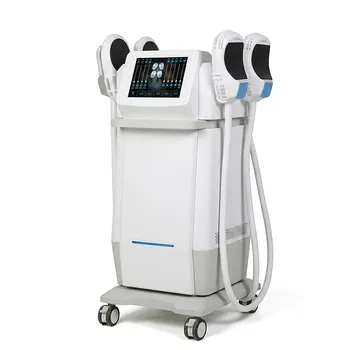
The primary benefits are better patient outcomes, broader treatment options, and stronger practice economics. Non-surgical medical aesthetic equipment can complement physician-led care by improving skin quality, treating cosmetic concerns, and supporting maintenance after medical or surgical treatment. Commercially, these systems can attract patients seeking lower-risk procedures, increase treatment frequency, improve retention, and create additional recurring revenue.
Non-surgical aesthetic technology extends a medical practice’s ability to manage the full continuum of skin health, from diagnosis and corrective treatment to surface restoration and long-term maintenance. Its value depends on using clinically appropriate equipment, trained staff, and protocols that preserve medical oversight.
How Non-Surgical Equipment Improves Clinical Care
It Complements Physician-Led Treatment
Medical treatments typically address a defined condition or abnormality, while aesthetic devices often improve skin texture, tone, hydration, laxity, or overall appearance.
Using both approaches allows the practice to address the underlying clinical concern and the patient’s broader cosmetic goals within one coordinated treatment plan.
It Expands Treatment Options
Equipment such as skin analyzers, hydrafacial systems, microdermabrasion devices, lasers, radiofrequency systems, and ultrasound platforms supports a wider range of indications.
This can help practices treat concerns including uneven pigmentation, surface irregularities, skin laxity, texture changes, and selected body-contouring goals without relying exclusively on surgery.
It Reduces Invasiveness and Recovery Time
Non-surgical treatments are generally non-incisional and often require little or no downtime compared with surgical procedures.
Patients may therefore address aesthetic concerns without hospitalization or a lengthy recovery period, which can make treatment more compatible with work, travel, and normal daily activities.
It Can Improve Treatment Comfort and Safety
Professional-grade systems may include integrated cooling, energy feedback, and preset treatment parameters.
These controls can reduce the risk of excessive thermal exposure and improve consistency, but they do not eliminate clinical risk. Patient selection, operator training, contraindication screening, and appropriate settings remain essential.
It Supports Natural-Looking Skin Remodeling
Energy-based technologies such as RF, focused ultrasound, and selected laser systems can produce controlled tissue effects that support collagen remodeling, tightening, or improvement in tone and texture.
Because these effects develop progressively rather than through a single major surgical change, patients may experience a more gradual and natural-looking result.
It Enables More Structured Skin Maintenance
Devices such as hydrafacial systems and microdermabrasion platforms can support regular maintenance protocols after corrective treatment.
A structured maintenance plan may help patients preserve improvements in skin quality while giving clinicians more opportunities to monitor changes and adjust care over time.
How the Technology Benefits the Practice Commercially
It Attracts Patients With Lower Treatment Barriers
Many patients are interested in aesthetic improvement but are unwilling to accept surgical risks, anesthesia, incisions, or extended downtime.
Non-surgical services can appeal to this larger group by offering shorter appointments, lower perceived risk, and more accessible treatment pathways.
It Creates Recurring Revenue
Some non-surgical treatments are naturally delivered as a series of sessions or ongoing maintenance appointments.
This creates a more predictable revenue model than procedures that occur only once and may support treatment packages, memberships, or scheduled follow-up programs when these are clinically appropriate.
It Improves Patient Retention
Patients who can receive assessment, corrective care, aesthetic enhancement, and maintenance in the same practice have fewer reasons to seek services elsewhere.
A broader service portfolio can therefore strengthen the patient relationship and increase the likelihood of repeat visits.
It Encourages Referrals
Patient satisfaction is influenced by more than the technical result. Convenience, treatment comfort, downtime, communication, and continuity of care also affect whether patients recommend a practice.
When non-surgical services are integrated into a medically supervised experience, positive outcomes may support stronger referral activity.
It Increases Capacity and Throughput
Many non-surgical procedures can be performed in relatively short appointments without the operating-room demands of surgery.
This can allow a practice to serve more patients within existing clinical hours, provided that scheduling, staffing, room turnover, and post-treatment monitoring are properly managed.
It Diversifies the Practice During Market Shifts
Demand may move toward lower-cost, minimal-downtime procedures during periods when patients become more cautious about discretionary spending.
A practice offering options such as skin resurfacing, RF tightening, ultrasound-based treatment, or hydrafacial care may be better positioned to serve different budgets and levels of treatment commitment.
Why Integration Matters More Than Equipment Ownership
Build Treatment Pathways Around Patient Needs
The equipment should support a clinical pathway rather than function as an isolated service.
A typical pathway may include consultation, skin analysis, physician assessment where indicated, treatment selection, informed consent, procedure delivery, and scheduled review.
Use Objective Assessment to Guide Care
Skin analyzers and structured assessments can help document baseline findings and track change over time.
This improves communication with patients and helps the team recommend treatments based on observed needs rather than relying only on subjective impressions.
Combine Corrective and Maintenance Care
A patient may require physician-led treatment for a medical issue, followed by non-surgical aesthetic care for texture, hydration, or appearance.
The combination is most valuable when each intervention has a clear role and the overall plan avoids unnecessary or duplicative treatment.
Standardize Delivery Across Providers
Integrated platforms and programmed energy delivery can reduce variation between operators.
Standardized protocols improve reproducibility, but they must be adapted to the patient’s skin type, treatment area, medical history, and response.
Understanding the Trade-offs
Equipment Does Not Guarantee Clinical Results
Results depend on device quality, patient selection, treatment settings, operator competence, and realistic expectations.
Purchasing a device without establishing these supporting processes can produce inconsistent outcomes and weaken patient trust.
Capital Costs and Utilization Matter
Professional systems can require substantial investment in acquisition, installation, maintenance, consumables, training, and compliance.
The commercial case should therefore be based on realistic utilization, staffing capacity, pricing, repeat-treatment behavior, and payback assumptions rather than headline demand alone.
Some Results Require Multiple Sessions
Non-surgical treatments often produce progressive or moderate changes rather than the immediate transformation associated with surgery.
Patients should understand the likely number of sessions, expected duration of results, maintenance requirements, and limitations before beginning treatment.
Complications Remain Possible
Non-invasive does not mean risk-free. Burns, pigmentary changes, irritation, pain, swelling, and other adverse effects can occur, particularly when contraindications are missed or energy settings are inappropriate.
Practices need documented protocols for screening, consent, emergency response, adverse-event management, and follow-up.
Regulatory and Training Requirements Vary
The appropriate operator, supervision model, device classification, advertising language, and documentation requirements depend on the jurisdiction and the specific technology.
Practices should verify local legal and regulatory obligations before implementation and maintain evidence that staff are trained for each device and procedure.
Overexpansion Can Dilute the Practice
Adding too many unrelated services can create operational complexity and make the patient experience unclear.
A smaller portfolio of technologies that matches the practice’s patient population, clinical expertise, and referral patterns is usually more defensible than a large but underused equipment inventory.
Making the Right Choice for Your Goal
The strongest implementation begins with clinical demand, not with a device catalogue.
- If your primary focus is clinical outcomes: Select validated equipment that complements existing physician-led treatments and establish patient-selection, safety, and follow-up protocols before launch.
- If your primary focus is patient satisfaction: Prioritize comfortable treatments with limited downtime, clear expectation-setting, and a coordinated consultation-to-maintenance experience.
- If your primary focus is recurring revenue: Favor services that support clinically appropriate treatment series and maintenance visits, then model utilization and consumable costs conservatively.
- If your primary focus is practice growth: Choose technologies that address common patient concerns and attract people who are not ready for surgical intervention.
- If your primary focus is operational efficiency: Invest in systems with standardized settings, safety monitoring, and workflows that fit existing rooms, staffing, and appointment capacity.
When integrated with medical judgment and disciplined operations, non-surgical aesthetic equipment can improve care while making the practice more accessible, adaptable, and financially resilient.
Summary Table:
| Benefit Category | Clinical Benefits | Commercial Benefits |
|---|---|---|
| Patient Outcomes | Complements physician-led care; expands treatment options; reduces downtime; improves comfort & safety; supports natural remodeling; enables structured maintenance | Attracts patients with lower barriers; creates recurring revenue; improves retention; encourages referrals; increases capacity; diversifies during market shifts |
Ready to elevate your practice with professional-grade aesthetic technology? BELIS offers a comprehensive range of advanced systems—lasers, IPL, Hifu, RF, and more—designed exclusively for clinics and premium salons. Our equipment supports better patient outcomes and practice growth. Contact our experts today to find the perfect solution for your needs. Contact us now!
Related Products
- Cryolipolysis Fat Freezing Machine and Ultrasonic Cavitation Device
- Tri Laser Diode Hair Removal Machine Professional Beauty Equipment
- 22D HIFU Machine Device Facial Machine
- Hydrofacial Machine Facial Clean Face and Skin Care Machine
- Hydrofacial Machine with Facial Skin Analyzer and Skin Tester
People Also Ask
- What are the main benefits of using a fat freezing machine? Achieve Permanent, Non-Surgical Body Sculpting
- What anatomical factors determine whether a patient with submental fullness should be treated with cryolipolysis fat-reduction devices versus energy-based skin tightening modalities?
- What are the potential side effects and risks associated with fat freezing? Safety Profile & Rare Risks Explained
- What are the technical advantages of using lower temperatures and shorter durations in cryolipolysis fat reduction?
- How is a cryolipolysis procedure performed? A Step-by-Step Guide to Non-Invasive Fat Freezing