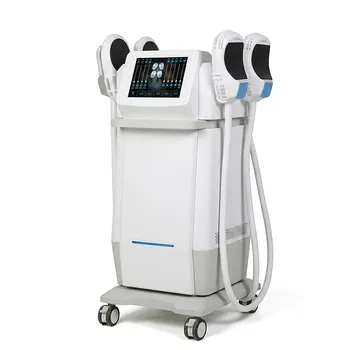
The primary clinical advantage of a 1064-nm Nd:YAG laser for body sculpting is its ability to soften and thermally remodel dense, fibrotic tissue before aspiration. In areas such as gynecomastia or scarred tissue from previous surgery, the laser can disrupt tough fibrous septa, making cannula movement smoother and fat removal more controlled. Its deep penetration also supports uniform heating, vascular coagulation, and collagen stimulation, which may improve hemostasis and long-term skin retraction.
For dense or scarred anatomy, a 1064-nm Nd:YAG laser acts as a tissue-preparation and remodeling tool: it loosens fibrotic structures for easier sculpting while thermally stimulating collagen and coagulating small vessels.
Why Dense and Fibrotic Tissue Is Difficult to Sculpt
Fibrous Septa Resist Conventional Cannula Movement
Dense tissue contains tough connective-tissue bands, or fibrous septa, that compartmentalize fat and restrict cannula passage. This can make aspiration less uniform and require greater mechanical force from the operator.
Previous Surgery Can Increase Tissue Resistance
Scar tissue may be less pliable, irregularly distributed, and more adherent to surrounding structures. These characteristics can make secondary procedures technically demanding and complicate consistent tissue modeling.
How 1064-nm Nd:YAG Energy Helps
Deep Thermal Penetration
The 1064-nm wavelength has relatively low absorption by water, allowing energy to reach deeper subcutaneous structures rather than being confined to the superficial skin layers. This is useful when the target tissue is thick, coarse, or fibrotic.
Softening of Fibrotic Structures
Controlled thermal energy can break down or soften tough fibrous septa, reducing resistance during cannula passage. The result is a more workable tissue plane for aspiration and contour refinement.
More Efficient Tissue Modeling
Once fibrotic tissue is softened, the operator can move the cannula more smoothly through the treatment zone. This may improve the ability to target localized fat pockets and create a more even contour, particularly in anatomically dense areas.
Reduced Operator Exertion
Laser-assisted tissue preparation can reduce the physical force needed to navigate resistant tissue. Lower mechanical resistance may support more controlled movements and reduce the burden associated with treating heavily fibrotic areas.
Hemostatic and Contouring Benefits
Vascular Coagulation
Nd:YAG energy can produce thermal coagulation of small vessels within the treated tissue. In laser lipolysis protocols, this may contribute to less intraoperative bleeding, postoperative bruising, and swelling compared with aspiration alone, although outcomes depend on technique, settings, anatomy, and patient factors.
Thermal Adipocyte Disruption
When delivered through an appropriate fiber into subcutaneous fat, pulsed 1064-nm energy can thermally disrupt adipocyte membranes before aspiration. This pre-disruption may make localized fat removal easier in resistant tissue.
Collagen Stimulation and Skin Retraction
Controlled heating of surrounding collagen can stimulate collagen remodeling and neoformation. Over time, this may improve dermal tightening and skin retraction, which is particularly valuable in delicate or lax areas where contour quality depends on both fat removal and skin response.
Understanding the Trade-offs
Results Depend on Energy Control
The benefits come from controlled thermal delivery, not simply from using a particular wavelength. Excessive energy or poor temperature management can increase the risk of burns, unwanted tissue injury, delayed healing, or irregular fibrosis.
Laser Treatment Does Not Replace Surgical Judgment
Fibrotic tissue may still require careful mechanical management, and laser assistance does not eliminate the need for appropriate patient selection, anatomical planning, and cannula technique. Dense scarring can remain technically challenging even after thermal treatment.
Skin Tightening Is Variable
Collagen remodeling is a gradual biological response, and the degree of visible tightening varies with skin quality, age, tissue laxity, treatment parameters, and the amount of tissue removed. The laser should not be presented as a guarantee against residual laxity.
Technique and Safety Are Essential
Fiber placement, power, pulse duration, treatment pattern, and temperature monitoring must be selected for the specific anatomy. Protecting the skin surface and avoiding excessive overlapping of energy are important safeguards, particularly when treating deep or scarred regions.
How to Apply This to Your Clinical Goal
The most appropriate use depends on whether the priority is tissue access, bleeding control, contour refinement, or skin response.
- If your primary focus is treating dense or fibrotic tissue: Use the laser to thermally soften fibrous septa and improve cannula passage before aspiration.
- If your primary focus is smoother contouring: Use laser-assisted pre-disruption to support more controlled removal of localized, resistant fat pockets.
- If your primary focus is reducing bruising and bleeding: Consider the potential hemostatic effect of controlled thermal coagulation, while recognizing that outcomes depend on technique and patient anatomy.
- If your primary focus is skin tightening: Use controlled collagen heating as an adjunct to fat removal, with expectations set around gradual and variable skin retraction.
- If your primary focus is revision body sculpting: Treat the system as a tissue-remodeling aid within a carefully planned approach for scarred or adherent anatomy.
A 1064-nm Nd:YAG laser is most valuable in dense body-sculpting areas because it combines deep tissue access, fibrotic tissue softening, hemostatic effects, and collagen-mediated remodeling in a single treatment strategy.
Summary Table:
| Advantage | Mechanism | Clinical Benefit |
|---|---|---|
| Deep penetration | Low water absorption reaches subcutaneous layers | Effective in thick, fibrotic tissue |
| Softening of fibrotic septa | Controlled thermal energy breaks down tough bands | Easier cannula passage and smoother contouring |
| Hemostasis | Thermal coagulation of small vessels | Reduced bleeding, bruising, and swelling |
| Thermal adipocyte disruption | Pulsed energy pre-disrupts fat cells | More controlled fat removal |
| Collagen stimulation | Heat induces collagen remodeling | Improved skin retraction and tightening |
Ready to elevate your body sculpting results with 1064-nm Nd:YAG technology? At BELIS, we offer professional-grade medical aesthetic devices trusted by clinics worldwide. Our advanced laser systems are designed to enhance precision, safety, and patient satisfaction. Contact our experts today to learn how our solutions can benefit your practice.
Related Products
- EMSlim RG Laser Body Sculpting and Slimming Machine
- Ultrasonic Cavitation Machine Lipo Laser Device
- EMSlim Neo Nova Body Sculpting EMS Sculpting Machine
- Q Switch Nd Yag Laser Machine Tattoo Removal Nd Yag Machine
- Clinic Use IPL and SHR Hair Removal Machine with Nd Yag Laser Tattoo Removal
People Also Ask
- How long does it take to see results from EMSlim? A Realistic Timeline for Lasting Body Contouring
- Can I do EMSlim everyday? Why Daily Sessions Can Hinder Your Results
- How do these treatments improve muscle definition? Unlock the Science of Advanced Body Sculpting
- How does this body contouring treatment achieve muscle toning and shaping? Unlock High-Efficiency Sculpting Results
- Value of EMSlim & Cryolipolysis for Acne with Obesity? Improve Metabolic Health and Results