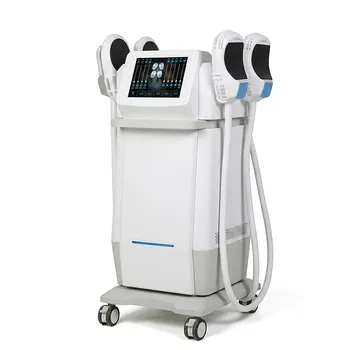
The key difference is how RF current travels through tissue. Unipolar or monopolar systems use one treatment electrode and a separate return path, enabling broader and generally deeper heating. Bipolar systems confine current between two electrodes in the handpiece for more localized, predictable heating, while multipolar systems use several electrodes to distribute energy across multiple controlled pathways. These design differences affect penetration, treatment area, comfort, safety controls, and clinical use.
RF device labels are not fully standardized: “unipolar” and “monopolar” are sometimes used interchangeably, while some manufacturers distinguish them by whether a grounding pad or a high-frequency dielectric field is used. The electrode arrangement and actual current pathway are more clinically meaningful than the label alone.
How RF Energy Reaches the Tissue
Unipolar or Monopolar RF
In the conventional monopolar configuration, one active electrode is placed on the treatment area and a separate grounding or return pad completes the electrical circuit elsewhere on the patient’s body. Current travels through a comparatively large volume of tissue between the applicator and the return electrode.
This produces broad, volumetric heating that can reach deeper dermal and subcutaneous structures than closely spaced surface electrodes. Actual depth depends on frequency, power, electrode geometry, contact, tissue properties, and the device’s control algorithm.
Some manufacturers use unipolar to describe a single-electrode system that does not require a grounding pad and relies primarily on dielectric heating. That configuration should not automatically be treated as identical to conventional monopolar RF.
Bipolar RF
Bipolar RF uses two electrodes positioned on the same handpiece. Current flows between those electrodes rather than through the patient to a distant grounding pad.
The electrical field is therefore more localized and its depth is strongly influenced by the distance and geometry between the electrodes. Bipolar systems generally concentrate heating in the superficial to mid-dermal region, although the exact treatment depth varies by device.
Multipolar RF
Multipolar RF uses three or more electrodes, usually arranged within one treatment tip. The device alternates or controls the active electrode pathways to distribute heating across multiple regions of the treatment zone.
Multipolar systems do not automatically deliver deeper energy than bipolar systems. Their principal advantage is often more uniform distribution and improved control across the applicator area, rather than depth alone.
Technical Differences That Matter Clinically
Depth and Volume of Heating
Monopolar systems typically create the broadest and deepest thermal field because the return electrode is distant from the treatment electrode. This can be useful when the clinical objective involves deeper dermal remodeling, laxity, or broader body treatment.
Bipolar systems provide a more constrained thermal zone. They are useful when the practitioner wants predictable, localized heating and greater control around delicate or smaller treatment areas.
Multipolar systems occupy a middle ground in terms of field control. Multiple electrode pathways can help maintain more even heating over the treatment tip, but they do not guarantee a specific penetration depth.
Treatment Precision
Bipolar RF offers the most straightforward geometric control because the treatment field is largely defined by the spacing and arrangement of the two electrodes. Handpiece size and electrode layout also influence whether the system is better suited to facial areas, periorbital regions, or larger body zones.
Monopolar RF affects a larger tissue volume, but the current pathway is influenced by the location and quality of the grounding pad as well as tissue conductivity. This makes treatment technique and patient positioning important.
Multipolar systems can divide or sequence current across several electrode pairs. Their precision depends heavily on software controls, electrode design, contact quality, and feedback systems.
Comfort and Skin Protection
Deeper or broader heating can produce more noticeable warmth, particularly with monopolar systems. Cooling, continuous applicator movement, energy modulation, and temperature monitoring can improve comfort and reduce the risk of excessive epidermal heating.
Bipolar and multipolar devices often feel more controlled because energy is concentrated within the handpiece-defined region. However, electrode configuration alone does not determine comfort; power, pulse duration, contact pressure, cooling, and treatment technique are equally important.
Many current systems use real-time temperature monitoring, impedance or contact detection, and automatic energy reduction or shut-off. These features are safety controls, not proof that a particular RF configuration is inherently risk-free.
Clinical Applications and Expected Effects
Skin Tightening and Collagen Remodeling
RF heating can cause short-term collagen fiber contraction and stimulate longer-term remodeling processes such as neocollagenesis. The visible result depends on reaching an appropriate tissue temperature while avoiding excessive surface heating.
Bipolar RF is commonly selected for localized superficial dermal treatment, including fine lines and mild laxity. It may be appropriate when controlled treatment depth is more important than treating a large volume of tissue.
Monopolar RF is commonly considered when broader or deeper tissue heating is desired for facial or body laxity. The treatment should still be selected according to the specific device’s validated indications rather than the configuration name alone.
Body Contouring and Subcutaneous Tissue
A deeper monopolar or unipolar-style field may be useful for body areas where the target tissue lies below the superficial dermis. Some systems are designed to address subcutaneous tissue, but the biological effect and regulatory indication vary substantially between devices.
RF should not be assumed to produce the same result as surgical lifting or liposuction. Noninvasive tightening and contouring are generally more modest and develop over time.
Delicate or Small Treatment Areas
Bipolar systems can be advantageous for smaller or more delicate zones because the energy field is confined between nearby electrodes. Applicator dimensions, ocular protection, and the manufacturer’s treatment protocol are critical in these areas.
Multipolar devices may be useful when a practitioner wants even heating across a defined treatment tip. Their benefit is most apparent when the system can maintain consistent contact and regulate temperature throughout treatment.
Understanding the Trade-offs
Greater Depth Versus Greater Control
Monopolar or unipolar configurations can treat a larger tissue volume, but the broader current path may make thermal distribution less localized. Bipolar systems provide more predictable confinement, but that control can limit the depth and volume treated.
Multipolar systems improve distribution across multiple pathways, but added electrodes and algorithms also make performance more dependent on the device’s engineering and calibration.
Device Labels Can Be Misleading
The terms unipolar, monopolar, coaxial, and multipolar are not used consistently across the aesthetic-device market. One manufacturer’s “unipolar” system may operate differently from another manufacturer’s “monopolar” system, particularly regarding grounding pads and dielectric heating.
The most reliable comparison requires reviewing the technical documentation: electrode arrangement, grounding requirements, frequency, power range, temperature controls, cooling method, and cleared or approved indications.
Deeper Does Not Mean Better
A deeper thermal field is beneficial only when deeper tissue is the treatment target. Excess depth or excessive energy can increase discomfort and the risk of unwanted thermal injury without improving the clinical result.
Likewise, superficial bipolar or multipolar treatment may be preferable for mild laxity or fine lines when precise control and comfort are priorities.
Results and Risks Depend on Protocol
Clinical outcomes depend on patient selection, skin characteristics, treatment temperature, energy delivery, number of passes, applicator movement, and practitioner training. Reported device categories cannot replace the manufacturer’s protocol or appropriate clinical assessment.
Potential adverse effects include pain, prolonged erythema, swelling, burns, pigmentary changes, contour irregularity, and, rarely, deeper tissue injury. Proper contact, temperature control, contraindication screening, and adherence to the device’s intended use are essential.
Making the Right Choice for Your Goal
The configuration should be evaluated together with the device’s validated specifications and the practitioner’s treatment protocol.
- If your primary focus is deeper or broader tissue remodeling: Consider a monopolar or appropriately designed unipolar system, provided the device’s actual energy pathway and clinical indications support that goal.
- If your primary focus is localized superficial tightening: Consider bipolar RF, which offers a constrained and predictable field between two handpiece electrodes.
- If your primary focus is uniform heating across a treatment tip: Consider multipolar RF, especially when the device includes reliable temperature and contact monitoring.
- If your primary focus is treatment comfort and safety control: Prioritize feedback sensors, cooling, automatic energy modulation, and practitioner technique over the configuration name alone.
- If your primary focus is comparing devices objectively: Ask whether the system requires a grounding pad, how its electrodes are arranged, what tissue depth it targets, and which clinical indications have been validated.
The right RF technology is the one whose current pathway, thermal controls, and validated indication match the tissue target and clinical objective.
Summary Table:
| RF Type | Depth & Volume | Best For | Key Advantage |
|---|---|---|---|
| Unipolar/Monopolar | Deep & broad heating | Skin laxity, body contouring | Large tissue volume treatment |
| Bipolar | Localized, superficial to mid-dermal | Fine lines, delicate areas | Predictable, controlled heating |
| Multipolar | Uniform distribution across tip | Even heating over defined area | Consistent field, comfort |
Upgrade Your Practice with BELIS RF Solutions
Elevate your clinic's offerings with state-of-the-art RF technology from BELIS. Our advanced unipolar, bipolar, and multipolar systems deliver safe, effective, and comfortable treatments for skin tightening, body contouring, and facial rejuvenation. Partner with a global leader in professional aesthetic equipment, offering OEM/ODM support, international certifications, and reliable supply. Ready to expand your services and grow your revenue? Contact us today for a personalized consultation!
Related Products
- Ultrasonic Cavitation Radiofrecuency Machine for Body Slimming
- IPL SHR+Radio frecuency machine
- RF Microneedling Machine Micro Needle Radio Frequency Machine
- Ultrasonic Cavitation Machine Lipo Laser Device
- EMS Body Sculpting Slimming Machine EMSlim Body Slimming Machine
People Also Ask
- What are the pros and cons of the ultrasonic cavitation slimming treatment? A Guide to Painless Body Contouring
- Does an ultrasonic cavitation machine also tighten the skin? Achieve Total Body Contouring with RF Synergy
- How does radiofrequency technology in slimming machines promote fat reduction? The Science of Non-Invasive Sculpting
- How should one prepare for an ultrasonic cavitation appointment? 5 Essential Tips for Maximum Fat Loss Results
- What areas of the body are targeted for ultrasonic cavitation? Best Zones for Effective Body Contouring