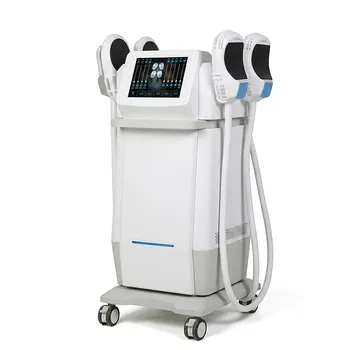
Controlled low-energy RF parameters are used to achieve therapeutic dermal heating without exposing surrounding tissue to unnecessary thermal stress. By gradually warming the dermis, RF can promote immediate collagen contraction and longer-term neocollagenesis while reducing the risk of fat necrosis, pigmentary changes, prolonged erythema, and scarring. The goal is not to maximize energy delivery, but to reach a clinically useful temperature safely and consistently.
The central benefit of low-energy RF is controlled tissue remodeling: sufficient heat can stimulate collagen and elastin-related regeneration, while conservative parameters protect the epidermis, subcutaneous fat, and surrounding structures from excessive thermal injury.
Why Controlled RF Energy Is Clinically Rational
It targets the intended tissue response
RF energy is converted into heat as electrical current encounters tissue resistance. When applied appropriately, this heat reaches the dermal and subdermal layers, where it can produce collagen contraction and stimulate longer-term structural remodeling.
Low-energy protocols support a gradual temperature increase rather than an abrupt thermal surge. This gives the practitioner greater control over the treatment endpoint and reduces the likelihood that heat will spread beyond the intended zone.
It supports collagen remodeling
The therapeutic rationale for RF is based on controlled thermal stimulation. Carefully managed heating can temporarily contract existing collagen fibers and activate a wound-healing response associated with neocollagenesis.
This process may improve skin firmness, texture, fine lines, acne-scar appearance, and selected body-contouring concerns over a series of treatments.
It preserves treatment consistency
Skin electrical resistance and water content vary between patients and across anatomical areas. The same device setting may therefore produce different tissue temperatures in different individuals.
Starting conservatively and adjusting parameters based on tissue response allows the provider to account for this variability. A test treatment can help establish an appropriate starting level before treating a larger area.
It fits a gradual treatment strategy
RF outcomes commonly develop progressively rather than appearing entirely after one session. A regimen of multiple treatments, often spaced approximately two weeks apart, may provide cumulative remodeling while limiting the need for aggressive energy delivery in a single session.
The precise schedule and parameters must remain device-specific and determined by a qualified provider.
How Lower Energy Improves Safety
It reduces excessive thermal injury
Excessive RF energy can overheat tissue and cause serious complications, including subdermal fat necrosis, unwanted changes in skin color, and scar formation.
Controlled low-energy delivery reduces the probability of exceeding the tissue’s thermal tolerance while preserving the intended collagen-stimulating effect.
It protects the epidermis and surrounding structures
Although RF is directed toward deeper tissue through electrical resistance, heat can still affect superficial and adjacent structures. Gradual heating gives the practitioner time to monitor the patient’s response and stop or reduce treatment before injury develops.
This is particularly important in areas with thin skin, uneven tissue thickness, or limited subcutaneous cushioning.
It limits pigmentary complications
RF is non-chromophore-specific, meaning its energy is not primarily absorbed by melanin in the same way as many laser and intense pulsed light systems. This makes RF suitable for a broad range of skin phototypes when used correctly.
However, excessive heat can still provoke inflammation and contribute to post-inflammatory hyperpigmentation, hypopigmentation, or prolonged redness. Conservative parameters reduce that thermal and inflammatory burden.
It reduces discomfort and improves patient feedback
A properly controlled RF treatment should generally produce a mild, tolerable sensation of warmth. Pain is not an appropriate treatment endpoint.
If the patient reports pain or excessive heat, the energy level should be reduced immediately and the treatment technique reassessed. Patient feedback is an important real-time safety signal.
Technique Determines Whether Low Energy Is Truly Safe
Maintain complete applicator contact
The electrode or applicator should remain in continuous, appropriate contact with the skin and conductive medium. Inadequate contact can create uneven current distribution, electrical arcing, and superficial burns.
Providers should follow the device manufacturer’s requirements for coupling gel, contact pressure, movement, and treatment coverage.
Monitor the treatment response
Skin temperature, patient sensation, tissue appearance, and treatment duration should be monitored throughout the session. A device’s built-in safeguards are useful, but they do not replace clinical judgment or active observation.
The provider should reduce energy, pause, or terminate treatment if pain, excessive redness, blistering, or other abnormal responses occur.
Establish parameters conservatively
An initial test area can help identify how a patient’s tissue responds to the selected device and applicator. Parameters should then be adjusted according to the treatment goal, anatomical site, skin characteristics, and device-specific protocol.
Settings from another patient or another RF platform should not be transferred without clinical justification.
Screen for contraindications
RF treatment requires careful screening for conditions that may increase risk or make treatment inappropriate. Important considerations include implantable electronic devices such as pacemakers or defibrillators, pregnancy or nursing, active infections, open wounds, active herpetic outbreaks, and conditions associated with impaired healing.
Providers should also assess implanted metal devices, diabetes, autoimmune disease, skin cancer, medications, and any other contraindications listed by the device manufacturer or relevant clinical guidance.
Why RF Can Be Preferable to Some Optical Approaches
It is less dependent on skin pigment
Because RF does not rely on selective absorption by melanin, it is generally less constrained by Fitzpatrick skin type than many pigment-targeting optical treatments. This can reduce the risk of pigmentary injury related to chromophore absorption.
That advantage does not eliminate the need for careful energy control. Thermal inflammation from any energy-based treatment can still produce pigmentary changes.
It can address deeper tissue layers
RF can deliver thermal energy into dermal and subdermal tissue, supporting applications such as skin tightening, wrinkle reduction, acne-scar remodeling, and selected body-contouring procedures.
The depth and distribution of heating depend on the specific device, electrode configuration, frequency, tissue characteristics, and treatment technique.
It can offer limited downtime
Conservative RF treatments are often used as minimally invasive or non-surgical alternatives for patients who want gradual improvement without the recovery associated with surgery. Fractional RF can further limit epidermal exposure by creating focused treatment zones while leaving adjacent skin intact.
Fractional systems may use localized higher-energy columns, so they should not be treated as equivalent to uniformly low-energy RF. Their safety depends on appropriate pulse intensity, spacing, cooling, technique, and patient selection.
Understanding the Trade-offs
Lower energy may require more sessions
A conservative protocol may produce less immediate visible change than an aggressive single treatment. The trade-off is a lower probability of severe thermal complications and a more gradual remodeling process.
Patients should understand that meaningful improvement may require a series of sessions rather than one high-intensity procedure.
More energy does not guarantee better results
Increasing fluence or energy density can increase the risk of prolonged erythema, scarring, depigmentation, and deeper tissue injury. It does not guarantee proportionally greater tightening or contouring.
The clinically appropriate endpoint is sufficient, uniform heating for the intended indication, not the highest tolerable setting.
RF is not appropriate for every concern
RF may improve laxity, texture, and selected contouring concerns, but it cannot address every cause of facial aging or body-shape change. Volume loss, substantial excess skin, or localized fat may require different or complementary approaches.
A multimodal plan can be appropriate when each treatment addresses a distinct problem, but combining procedures also increases the need for careful sequencing and risk assessment.
Device differences matter
“RF treatment” describes a broad category rather than a single standardized procedure. Monopolar, bipolar, multipolar, fractional, and RF-assisted systems differ in penetration, energy distribution, electrode design, cooling, and clinical indications.
Safety claims must therefore be evaluated against the specific device, protocol, operator training, and patient characteristics.
Making the Right Choice for Your Goal
The appropriate RF strategy should be based on the desired clinical outcome, risk tolerance, anatomy, and device-specific evidence.
- If your primary focus is gradual skin tightening: Use a conservative, temperature-monitored protocol designed to stimulate collagen remodeling over a treatment series rather than relying on one aggressive session.
- If your primary focus is minimizing pigmentary risk: Consider RF’s non-chromophore-specific mechanism, while still requiring careful control of inflammation and thermal exposure.
- If your primary focus is patient comfort: Treat mild warmth as the expected endpoint and reduce energy promptly if pain or excessive heat occurs.
- If your primary focus is preventing complications: Prioritize contraindication screening, complete applicator contact, conductive coupling, temperature monitoring, and appropriately trained clinical supervision.
- If your primary focus is comprehensive rejuvenation: Determine whether laxity, volume loss, texture, or localized fat is the main concern before combining RF with complementary treatments.
Controlled low-energy RF works best when treatment goals, tissue response, and safety limits are managed as carefully as the device settings themselves.
Summary Table:
| Benefit | Clinical Rationale | Safety Advantage |
|---|---|---|
| Tissue targeting | Gradual heating reaches dermis without spread | Reduces risk of overheating surrounding tissue |
| Collagen remodeling | Stimulates neocollagenesis for firmness | Controlled heat avoids scarring and fat necrosis |
| Treatment consistency | Adjustable for patient variability | Prevents uneven energy distribution |
| Safety profile | Non-chromophore-specific | Lower risk of pigmentary complications |
| Patient comfort | Mild warmth as endpoint | Pain signals are respected, reducing injury risk |
Elevate your practice with BELIS's advanced RF systems designed for controlled, low-energy treatments. Our technology supports safe, gradual collagen remodeling for skin tightening and body contouring, with precision and patient comfort in mind. Join numerous clinics and premium salons that trust BELIS for professional-grade aesthetic devices. Contact us today to discuss your needs and discover how our RF solutions can enhance your results and client satisfaction.
Related Products
- Ultrasonic Cavitation Radiofrecuency Machine for Body Slimming
- RF Microneedling Machine Micro Needle Radio Frequency Machine
- IPL SHR+Radio frecuency machine
- Ultrasonic Cavitation Machine Lipo Laser Device
- Cryolipolysis Fat Freezing Machine and Ultrasonic Cavitation Device
People Also Ask
- What are the pros and cons of the ultrasonic cavitation slimming treatment? A Guide to Painless Body Contouring
- Does an ultrasonic cavitation machine also tighten the skin? Achieve Total Body Contouring with RF Synergy
- How does radiofrequency technology in slimming machines promote fat reduction? The Science of Non-Invasive Sculpting
- How should one prepare for an ultrasonic cavitation appointment? 5 Essential Tips for Maximum Fat Loss Results
- What is an ultrasonic cavitation machine? Sculpt Your Body with Advanced Non-Invasive Fat Reduction