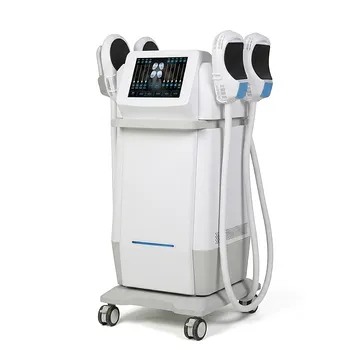
Professional credibility is preserved when new aesthetic equipment is presented as a clinical option, not a sales target. Practitioners should separate medical consultation from commercial persuasion by assessing the patient’s goals, suitability, risks, alternatives, and expected outcomes before recommending technologies such as laser resurfacing, RF microneedling, or non-invasive body contouring. The equipment should serve the treatment plan, rather than the treatment plan being shaped to justify an equipment purchase.
New technology strengthens an aesthetic practice only when patients can see that recommendations are objective, evidence-informed, and aligned with their actual needs. Credibility depends less on how advanced the equipment appears than on the quality of the clinical judgment surrounding its use.
Build Recommendations Around Patient Need
Start With Clinical Assessment
A consultation should establish the patient’s concerns, medical history, expectations, and suitability for treatment. The practitioner can then explain whether a particular device is appropriate, inappropriate, or unlikely to provide meaningful benefit.
This approach makes the recommendation clinically defensible. It also prevents the common mistake of treating every patient as a candidate for the newest service.
Present Options Without Pressure
Patients should understand the relevant alternatives, including postponing treatment or choosing no procedure. A recommendation becomes more credible when the practitioner explains why one option may be preferable for the patient rather than presenting a device as inherently superior.
The discussion should cover expected benefits, limitations, discomfort, recovery, risks, and the possibility that results may vary.
Keep Consultation Separate From Sales
Commercial incentives should not determine medical advice. Staff should avoid turning consultations into scripted product pitches or using urgency to pressure patients into procedures they may not need.
Clear separation between clinical assessment and sales activity helps patients trust that the recommendation reflects professional judgment.
Ensure the Team Understands the Equipment
Use Comprehensive Clinical Training
Manufacturer instructions and basic operational guidance are not sufficient for complex equipment, particularly lasers. Clinicians need to understand how the technology interacts with biological tissue and how treatment parameters affect safety and outcomes.
Hands-on clinical education enables practitioners to adjust settings appropriately, recognize contraindications, and reduce the risk of preventable complications.
Give Staff First-Hand Experience
Where appropriate and ethically suitable, team members can experience procedures themselves. This helps them understand treatment sensations, practical recovery expectations, and the difference between immediate effects and longer-term results.
Personal experience should support education, not replace clinical training or create pressure for staff to endorse a treatment.
Standardize Patient Explanations
Staff should communicate consistent, factual information about who may benefit, what the treatment involves, and what results are realistic. Internal training should also define when a patient must be referred to a qualified clinician for further assessment.
Consistency reduces exaggerated claims and ensures that a patient receives the same core information regardless of which team member they speak with.
Communicate Evidence Clearly
Use Factual Marketing
Marketing materials should explain the intended use of the technology, the treatment process, likely outcomes, and important limitations. Educational content is more credible than language that implies guaranteed transformation or universal suitability.
Before-and-after images can be useful when they are presented with appropriate context, including treatment details, realistic expectations, and proper patient permissions.
Avoid Overstating Results
Aesthetic outcomes depend on patient characteristics, treatment parameters, the number of sessions, and adherence to aftercare. Marketing and consultations should reflect that variability rather than presenting selected results as typical or guaranteed.
Claims should be supportable and proportionate to the available clinical evidence.
Build Professional Visibility
Credibility develops through more than direct promotions. Scientific reports, specialty conference participation, professional association membership, and other educational activities can demonstrate a commitment to ongoing learning.
These activities are most valuable when they reflect genuine clinical engagement rather than functioning solely as promotional channels.
Maintain Clinical Governance
Define Appropriate Use
Each device should have a documented role within the practice. Protocols should identify suitable indications, contraindications, parameter-selection principles, consent requirements, and follow-up procedures.
This prevents equipment from being used simply because it is available or because a patient has requested it after seeing an advertisement.
Record the Reasoning
Clinical records should show why a treatment was recommended, what alternatives were discussed, and how risks and expectations were explained. Good documentation supports continuity of care and demonstrates that the decision was individualized.
It also helps the practice identify patterns such as repeated complications, poor patient selection, or unrealistic expectations.
Review Outcomes
Practices should monitor patient feedback, adverse events, treatment results, and reasons for dissatisfaction. Reviewing outcomes allows the team to refine protocols and identify when a device is not producing the expected value.
A willingness to modify or discontinue an offering can strengthen credibility because it shows that patient outcomes take priority over sunk equipment costs.
Understanding the Trade-offs
New Technology Does Not Guarantee Better Care
Advanced equipment can expand treatment options, but novelty alone does not establish clinical value. A newer device may be unsuitable for a particular concern, patient, skin type, medical history, or desired outcome.
The relevant question is whether the technology improves the patient’s options and expected care, not whether it is the newest addition to the market.
Training Requires Time and Resources
Comprehensive training, supervised practice, protocol development, and ongoing review require investment. Practices that minimize these requirements may reduce short-term costs but increase the risk of inconsistent treatment and avoidable harm.
Equipment acquisition should therefore include the resources needed for competent implementation, not only the purchase price.
Commercial Targets Can Distort Judgment
Revenue goals, promotional campaigns, and unused appointment capacity can subtly influence recommendations. This creates a credibility risk even when the treatment itself is legitimate.
Practices should manage commercial objectives separately from the clinical decision about whether a patient is an appropriate candidate.
Marketing Can Create Unrealistic Expectations
Highly edited imagery, incomplete treatment descriptions, and selective success stories can lead patients to expect guaranteed results. When outcomes differ, the resulting dissatisfaction can damage both the patient relationship and the practice’s reputation.
Transparent communication about uncertainty is not a marketing weakness. It is evidence of professional integrity.
How to Apply This to Your Practice
A credible equipment introduction should be treated as a clinical service-development project with clear standards for assessment, training, communication, and review.
- If your primary focus is patient trust: Make every recommendation dependent on documented patient need, informed consent, realistic expectations, and an explanation of alternatives.
- If your primary focus is treatment safety: Invest in hands-on clinical training, laser-tissue education where relevant, standardized protocols, and ongoing outcome monitoring.
- If your primary focus is staff competence: Let staff gain appropriate first-hand understanding of procedures and provide consistent, factual explanations supported by clinician-led training.
- If your primary focus is responsible marketing: Use educational materials and properly contextualized results while avoiding guarantees, pressure tactics, and exaggerated claims.
- If your primary focus is practice growth: Build authority through sound outcomes, professional education, scientific engagement, and patient-centered service rather than relying solely on promotional offers.
When clinical judgment consistently comes before commercial opportunity, new equipment can expand a practice without compromising the credibility that makes patients trust it.
Summary Table:
| Strategy | Key Actions |
|---|---|
| Patient-Centered Consultation | Assess needs, educate on alternatives, separate sales from clinical advice |
| Staff Training | Provide comprehensive clinical training, hands-on experience, and standardized patient explanations |
| Evidence-Based Communication | Use factual marketing, avoid overstating results, build professional visibility |
| Clinical Governance | Define appropriate use, document reasoning, review outcomes |
Ensure your practice integrates advanced aesthetic technology with clinical integrity. Discover how BELIS's professional-grade equipment and training support can elevate your patient care. Contact us to learn more about our comprehensive solutions, including laser systems, body contouring, and more. Get in touch today!
Related Products
- Cryolipolysis Fat Freezing Machine and Ultrasonic Cavitation Device
- Tri Laser Diode Hair Removal Machine Professional Beauty Equipment
- 22D HIFU Machine Device Facial Machine
- Hydrofacial Machine Facial Clean Face and Skin Care Machine
- Hydrofacial Machine with Facial Skin Analyzer and Skin Tester
People Also Ask
- What are the main benefits of using a fat freezing machine? Achieve Permanent, Non-Surgical Body Sculpting
- What anatomical factors determine whether a patient with submental fullness should be treated with cryolipolysis fat-reduction devices versus energy-based skin tightening modalities?
- What are the potential side effects and risks associated with fat freezing? Safety Profile & Rare Risks Explained
- What are the technical advantages of using lower temperatures and shorter durations in cryolipolysis fat reduction?
- What safety precautions are essential during a cryolipolysis procedure? Top Safety Protocols for Clinics