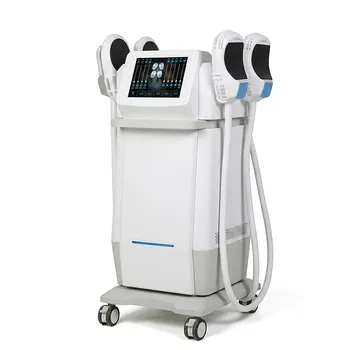
Volumetric RF and injectable fillers address different layers of periorbital and midface aging. RF delivers controlled dermal heat that contracts existing collagen, stimulates remodeling, and improves skin laxity and fine lines. Fillers then provide precise correction of structural volume loss, tear trough deformity, deep static folds, and localized contour deficits. Together, they can create a more balanced result with less reliance on filler volume alone.
RF tightens and improves the skin envelope; fillers restore selected volume deficits. The combination works best as a layered protocol in which skin laxity is reduced first or concurrently, allowing filler to be used more selectively and naturally.
Why the Combination Works
RF improves the tissue foundation
Volumetric RF heats the dermis without intentionally disrupting the epidermis. This can produce immediate contraction of existing collagen fibers and longer-term collagen remodeling, improving firmness and elasticity over time.
In the midface, treatment may improve laxity across the malar and submalar regions and support more favorable soft-tissue vectors. RF does not replace structural augmentation, but it can make the overlying skin and soft-tissue envelope more responsive to contour correction.
Fillers address focal volume loss
Dermal fillers are better suited to problems that require precise volume replacement or projection. Examples include selected tear trough deformities, deep static rhytids, and localized midface volume deficits.
Filler can restore support at specific anatomical points, while RF improves the quality and tension of the surrounding skin. This division of labor is the central reason the treatments complement one another.
The result is a multilayered correction
Aging in the periorbital and midface regions rarely comes from a single problem. It may involve skin laxity, collagen loss, ligamentous changes, fat-compartment alterations, and skeletal or soft-tissue volume loss.
RF addresses the cutaneous component. Fillers address carefully selected structural and volumetric components. Treating both layers can produce smoother transitions and a less “overfilled” appearance than attempting to correct every concern with filler.
Application in Periorbital Rejuvenation
RF targets laxity and fine lines
Around the eyes, RF may improve mild-to-moderate skin redundancy, reduced elasticity, and fine rhytids. The treatment is particularly relevant when the skin envelope contributes to a tired appearance.
It should be applied conservatively because the periorbital region is anatomically delicate. Device settings, treatment depth, eye protection, and operator experience are critical.
Fillers correct selected hollows
Filler may be considered when a tear trough or adjacent contour depression reflects a genuine volume deficit. It is less appropriate when the dominant issue is significant edema, prominent fat pads, severe skin laxity, or pigmentation rather than volume loss.
RF can improve the surrounding skin, but it cannot reliably replace surgical correction for substantial excess skin or prominent orbital fat prolapse.
Neuromodulators may address a separate mechanism
Dynamic periorbital lines caused by hyperfunctional orbicularis muscles are a different problem from static lines and volume loss. In appropriate patients, neuromodulators may relax excessive muscle activity, while RF improves dermal quality and fillers address selected depressions.
These treatments should not be treated as interchangeable. Each should be directed at the mechanism responsible for the visible concern.
Application in Midface Rejuvenation
RF can prepare the midface skin envelope
Applying RF along appropriate malar, submalar, and sometimes preauricular vectors may improve laxity and support a tighter contour before filler placement.
This can make the midface appear more elevated without requiring large quantities of volumizing product. The goal is not to create mechanical lifting equivalent to surgery, but to improve tissue contraction and skin quality.
Fillers provide focal projection and support
Once laxity has been addressed, filler can be placed selectively to restore malar projection, soften a transition, or correct a discrete volume deficit.
Using filler after—or in a carefully planned combination with—RF may reduce the temptation to compensate for lax skin by adding excessive volume. That is important in the midface, where overcorrection can produce heaviness or an unnatural appearance.
Contour improvement depends on restraint
The best combined protocols do not treat every visible depression with filler. They first determine whether the apparent deficit is caused by true volume loss, skin laxity, shadowing, tissue descent, or a combination of these factors.
RF is most useful when laxity is a meaningful contributor. Filler is most useful when a specific structural deficiency remains after the skin envelope has been assessed.
How to Sequence RF and Fillers
RF-first sequencing is often logical
Performing RF before filler allows the clinician to establish the tightened cutaneous foundation before making final volumetric decisions. It may also help avoid placing filler to compensate for laxity that could improve with collagen contraction and remodeling.
Because RF results can evolve over time, the final filler plan may be refined after the tissue response becomes clearer.
Same-session treatment can be appropriate
RF and filler may be performed in the same overall treatment strategy, either sequentially or in the same visit, when the device, product, anatomy, and treatment plan support that approach.
However, “compatible” does not mean that every device setting, anatomical plane, or injection sequence is appropriate. The clinician should follow the specific device and filler instructions and account for swelling, tenderness, and post-treatment assessment.
Timing should be individualized
Treatment timing depends on the RF modality, energy level, injection depth, filler material, anatomical region, and the patient’s tendency to swell or bruise.
A conservative approach is particularly important around the eyes. When there is uncertainty, separating treatments can make it easier to assess the response and reduce confusion between treatment-related swelling and residual volume deficiency.
Understanding the Trade-offs
RF is not a substitute for filler
RF can tighten skin and improve collagen quality, but it does not precisely replace lost volume. A true tear trough or malar deficit may still require a carefully selected filler—or another treatment approach.
Filler is not a substitute for skin tightening
Adding more filler to compensate for lax skin can create excess fullness without adequately improving surface quality or tissue descent. This is one of the main reasons a combined, layer-based assessment is preferable to volume escalation.
Results are gradual and variable
RF may produce some immediate contraction, but collagen remodeling and improvement in elasticity develop over time. Patient response varies with laxity severity, tissue quality, device type, treatment parameters, and biological healing capacity.
Filler provides more immediate volumetric correction, but it also introduces risks such as swelling, contour irregularity, vascular compromise, and, in the periorbital region, persistent edema or an undesirable transition.
More treatment is not always better
Excessive heat, overly aggressive treatment, or inappropriate injection volume can worsen outcomes. Periorbital treatment requires particular attention to thin skin, fluid retention, anatomical planes, and the distinction between shadowing and true volume loss.
Patients with substantial skin redundancy, pronounced fat prolapse, or advanced tissue descent may obtain a more predictable result from surgical consultation than from escalating non-surgical treatments.
Making the Right Choice for Your Goal
A successful protocol begins by identifying whether the dominant problem is laxity, volume loss, dynamic movement, or a combination.
- If your primary focus is skin laxity and fine lines: Use appropriately selected volumetric RF to improve dermal contraction, collagen remodeling, and skin elasticity before judging the need for additional volume.
- If your primary focus is a defined tear trough or midface volume deficit: Use conservative, anatomically precise filler placement after confirming that the depression reflects true volume loss rather than primarily laxity, edema, or pigmentation.
- If your primary focus is natural-looking midface rejuvenation: Combine RF tightening with limited, strategically placed filler rather than relying on filler volume to lift the entire skin envelope.
- If your primary focus is comprehensive periorbital correction: Assess whether RF, filler, neuromodulator treatment, surgical management, or a staged combination best matches the underlying anatomy.
The most reliable approach is to tighten the skin envelope where appropriate and replace volume only where anatomy demonstrates a genuine deficit.
Summary Table:
| Aspect | Volumetric RF | Injectable Fillers |
|---|---|---|
| Primary Role | Tightens skin, stimulates collagen | Restores volume, corrects contours |
| Target Layer | Dermis (collagen & elastin) | Subcutaneous tissue & bone |
| Mechanism | Heat-induced contraction & remodeling | Physical filling of voids |
| Best For | Laxity, fine lines, skin quality | Tear troughs, deep folds, volume deficits |
| Timing of Results | Gradual (over weeks to months) | Immediate |
| Ideal Combination | Prepares tissue, reduces laxity | Precise correction after skin tightening |
Elevate your aesthetic practice with BELIS's advanced volumetric RF systems—Franklin, Velashape, and Harmony—designed to integrate seamlessly with dermal fillers for comprehensive rejuvenation protocols. Our medical-grade devices offer precise temperature control and customizable parameters, ensuring safe and effective treatments for your patients. Partner with BELIS to enhance treatment outcomes, expand your service offerings, and grow your practice. Join leading clinics worldwide that trust BELIS for cutting-edge technology and exceptional support. Contact us today for a personalized consultation and discover how our solutions can elevate your patient care and revenue. Visit our website or reach out via contact form to learn more.
Related Products
- Ultrasonic Cavitation Radiofrecuency Machine for Body Slimming
- Ultrasonic Cavitation Machine Lipo Laser Device
- Clinic Use IPL SHR ND YAG Laser Hair Removal RF Skin Tightening Machine
- 4D 12D HIFU Machine Device for Skin Tightening and Lifting
- 4D 12D HIFU Machine Device for Skin Tightening
People Also Ask
- What are the pros and cons of the ultrasonic cavitation slimming treatment? A Guide to Painless Body Contouring
- Does an ultrasonic cavitation machine also tighten the skin? Achieve Total Body Contouring with RF Synergy
- How does radiofrequency technology in slimming machines promote fat reduction? The Science of Non-Invasive Sculpting
- How should one prepare for an ultrasonic cavitation appointment? 5 Essential Tips for Maximum Fat Loss Results
- What is an ultrasonic cavitation machine? Sculpt Your Body with Advanced Non-Invasive Fat Reduction