Diet alone rarely eliminates cellulite because cellulite is not simply excess fat. Histologically, it reflects a combination of enlarged fat lobules, downward-pulling fibrous septa, dermal laxity, interstitial fluid changes, and altered microcirculation. Weight loss can reduce adipocyte volume, but it generally does not release the septa, rebuild weakened collagen, or correct the tissue architecture responsible for dimpling.
The central issue is structural: diet changes the size of fat cells, while cellulite is also created by the interaction between fat herniation, rigid connective-tissue bands, skin elasticity, edema, and circulation. Targeted procedures—including energy-based devices—are used because they can act on these deeper tissues rather than only reducing overall body weight.
Why Cellulite Resists Diet Alone
Cellulite is more than localized fat
In cellulite, subcutaneous fat lobules press upward toward the dermis while connective-tissue septa pull the skin downward. This opposing force creates the characteristic dimples and “orange-peel” texture.
The visible contour therefore depends on how fat is organized and tethered, not only on how much fat is present.
Fibrous septa maintain the dimples
Female subcutaneous tissue commonly contains septa oriented relatively perpendicular to the skin. These bands anchor the dermis to deeper fascia and can remain tight or shortened even when adjacent adipocytes become smaller.
Dietary weight loss does not mechanically sever or reliably lengthen these bands. As a result, the underlying tethering can persist after fat reduction.
Skin quality affects surface visibility
Cellulite is also associated with changes in dermal collagen, reduced skin elasticity, and tissue laxity. When the skin becomes less supportive, the contrast between tethered depressions and upward-projecting fat becomes more visible.
A smaller fat compartment can improve overall contour without fully restoring the skin’s structural support.
Fluid and vascular changes amplify the appearance
Altered microvascular permeability can contribute to interstitial edema, increased tissue viscosity, and localized inflammation. These changes may increase pressure within the subcutis and make the skin surface appear more uneven.
Diet can influence body composition, but it does not directly normalize every vascular, lymphatic, or connective-tissue alteration involved in cellulite.
What Histology Means for Treatment
The treatment must address multiple tissue layers
Effective cellulite management targets more than adipose volume. The relevant targets include:
- Subcutaneous fat lobules
- Fibrous septa
- Dermal collagen and elasticity
- Microcirculation and lymphatic fluid movement
- Local tissue compliance and edema
This is why a single strategy may produce limited improvement when the dominant problem is tethering or skin laxity rather than fat excess.
Energy-based devices act below the skin surface
Radiofrequency, laser or photothermal systems, ultrasound-based technologies, and related modalities deliver energy into the dermal and subcutaneous layers. Depending on the device and treatment parameters, this energy can heat tissue, support collagen remodeling, influence fat deposits, and improve local tissue compliance.
These mechanisms are fundamentally different from calorie restriction, which primarily changes systemic energy balance and adipocyte size.
Mechanical technologies address tethering and fluid movement
Vacuum suction and mechanical manipulation can lift, mobilize, or stretch tissue while supporting local circulation and lymphatic movement. Their role is particularly relevant when tissue stiffness, fluid stasis, and adherence contribute to the uneven surface.
They do not necessarily destroy every fibrous band, but they can complement thermal treatment by addressing mechanical tension and tissue mobility.
Collagen remodeling improves structural support
Thermal stimulation can trigger a wound-healing response that promotes neocollagenesis and remodeling. Over time, improved dermal support and elasticity may reduce the visual contrast between depressions and raised areas.
This is a gradual biological process, not an immediate replacement for physically releasing severe septal tethering.
Why Combination Treatment Is Often Used
Cellulite has several interacting causes
The structural, vascular, fluid, and hormonal components of cellulite overlap. Fat reduction without skin tightening may leave laxity visible, while tightening without addressing substantial fat or edema may produce only partial improvement.
For this reason, practitioners may combine thermal energy, mechanical manipulation, and targeted fat-reduction approaches.
Different technologies target different problems
A treatment plan may use:
- Radiofrequency for controlled heating and collagen remodeling
- Laser or photothermal energy for tissue heating and contouring applications
- Ultrasound-based approaches for targeted subcutaneous treatment
- Vacuum or mechanical manipulation for tissue mobilization and fluid movement
- Microneedle radiofrequency when dermal remodeling is a major objective
The appropriate modality depends on the dominant anatomy, tissue laxity, treatment area, skin characteristics, and device-specific evidence.
Understanding the Trade-offs
Energy-based treatment is not universally “required”
The word required should be interpreted carefully. Diet alone is usually insufficient for substantial cellulite correction, but energy-based devices are not the only possible intervention and are not guaranteed to eliminate cellulite.
Other approaches, including manual therapies, injectable treatments, surgical subcision, or combinations of methods, may be considered depending on severity and clinical circumstances. Energy-based devices are valuable because they can address several mechanisms non-invasively, not because they are universally mandatory.
Results are usually improvement, not permanent removal
Cellulite is a chronic anatomical tendency influenced by connective-tissue structure, hormones, aging, skin elasticity, and changes in body composition. Treatment can make the surface smoother, but results may be incomplete or require maintenance.
A realistic goal is visible reduction in dimpling and improved skin texture, rather than permanent eradication.
Device claims must be evaluated carefully
“Cavitation,” “fat liquefaction,” collagen tightening, and lymphatic effects are not interchangeable claims. The actual result depends on the device technology, energy settings, treatment protocol, operator skill, and patient anatomy.
Evidence should be assessed for the specific device and indication rather than assumed from the general category of “body sculpting.”
Treatment has practical limitations
Possible limitations include multiple sessions, temporary swelling or tenderness, variable response, cost, and the need for maintenance. Some technologies may also be inappropriate for particular medical conditions or may carry risks if used improperly.
A qualified clinician should evaluate the area before treatment, particularly when skin laxity, vascular disease, edema, or a non-cellulite mass is present.
Making the Right Choice for Your Goal
The best approach begins by identifying whether fat volume, septal tethering, lax skin, or fluid-related changes are most prominent.
- If your primary focus is overall fat reduction: Use nutrition, physical activity, and weight management as the foundation; recognize that they may reduce adipocyte size without fully correcting cellulite architecture.
- If your primary focus is skin tightening: Consider a clinically appropriate energy-based modality designed to promote dermal collagen remodeling and improve elasticity.
- If your primary focus is pronounced dimpling from tethered bands: Seek professional assessment for treatments that specifically address septal tension, including mechanical or procedural options when appropriate.
- If your primary focus is fluid retention or tissue congestion: Discuss approaches that support local circulation and lymphatic movement, while investigating any underlying medical cause of persistent edema.
- If your primary focus is non-invasive contour improvement: Choose a device based on its validated mechanism, clinical evidence, safety profile, and suitability for your tissue characteristics—not on marketing terminology alone.
Cellulite improves most reliably when treatment matches its anatomy: fat reduction may help, but structural remodeling and tissue support are what diet alone cannot provide.
Summary Table:
| Histological Feature | Role in Cellulite | Why Diet Alone Can't Fix It | How Energy-Based Devices Help |
|---|---|---|---|
| Enlarged fat lobules | Herniate into dermis, creating bumps | Diet reduces size but not herniation | Heat/energy can shrink fat lobules and firm tissue |
| Fibrous septa | Pull skin down, causing dimples | Diet does not release or lengthen them | Thermal/mechanical energy breaks or remodels septa |
| Dermal collagen | Provides skin support and elasticity | Diet doesn't rebuild collagen | Heat stimulates neocollagenesis and tightening |
| Microcirculation/lympatics | Fluid stasis increases edema | Diet doesn't improve local flow | Thermal/mechanical action boosts circulation and drainage |
| Tissue compliance | Stiffness worsens dimpling | Diet doesn't soften connective tissue | Energy softens and mobilizes tissue |
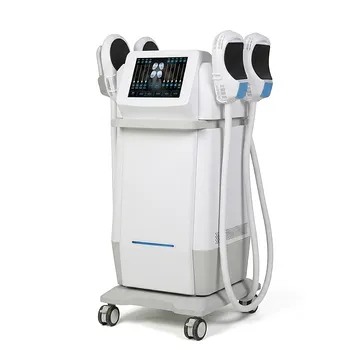
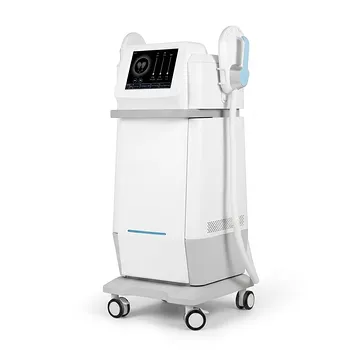
Struggling with cellulite that won't budge? BELIS offers professional-grade energy-based body sculpting devices—including radiofrequency, laser, and ultrasound systems—designed to target the structural causes of cellulite. Whether you're a clinic or premium salon, our advanced technologies help you deliver visible results and boost client satisfaction. Ready to elevate your practice? Contact us today to learn how our solutions can set you apart.
Related Products
- EMS Body Sculpting Machine for Body Slimming and Sculpting
- EMS Body Sculpting Slimming Machine EMSlim Body Slimming Machine
- EMSlim Neo Nova Body Sculpting EMS Sculpting Machine
- EMSlim Body Sculpting Machine EMS Body Slimming Machine
- EMSlim Body Slimming Machine for Muscle Building and Beauty
People Also Ask
- Does EMS sculpting really work? Achieve Clinically-Proven Body Contouring
- Why is it important for practitioners to avoid over-promising body sculpting results? Ensure Trust and Clinic Success.
- What are the technical advantages of professional body sculpting? Non-Invasive vs. Invasive Liposuction Explained
- Does EMS actually work for weight loss? A Realistic Look at Muscle Building and Metabolism
- What patient selection criteria and evaluation protocols should aesthetic clinics implement to optimize outcomes with non-invasive body sculpting devices?