Pulse duration should be shorter than the melanosome’s thermal relaxation time (TRT). Because melanosomes are approximately 0.5–1 µm in size, their TRT is typically estimated in the hundreds of nanoseconds or less than one microsecond. Therefore, pigment-removal systems use nanosecond Q-switched or picosecond pulses to confine energy to melanosomes before heat spreads into surrounding skin.
The smaller the pigment target, the shorter the required pulse. For melanosomes, ultrashort pulses produce rapid, localized heating and mechanical disruption while limiting collateral thermal injury to the epidermis and dermis.
How Thermal Relaxation Time Determines Pulse Duration
What TRT means
Thermal relaxation time is the approximate time required for a heated target to lose half of its absorbed heat through thermal diffusion.
A simplified relationship is:
[ \tau \propto \frac{d^2}{\chi} ]
where (d) is the target’s characteristic size and (\chi) is the tissue’s thermal diffusivity. This means that larger structures take disproportionately longer to cool.
Why melanosomes have very short TRTs
Melanosomes are microscopic melanin-containing organelles, generally around 0.5–1 µm in diameter. Their estimated TRT is approximately 50–500 nanoseconds, with some references placing the broader estimate at roughly 0.25–1 microsecond.
The exact value varies with melanosome size, geometry, tissue environment, and the model used. In practice, the important design implication is consistent: the relevant TRT is below one microsecond.
The pulse-duration rule
For selective photothermolysis, the laser pulse duration should generally be equal to or shorter than the target’s TRT:
[ \text{Pulse duration} \leq \text{Target TRT} ]
This allows energy to be deposited faster than it can conduct into neighboring structures. If the pulse is too long, the target begins losing heat while the laser is still delivering energy, reducing selectivity and increasing unwanted heating.
Why Nanosecond and Picosecond Pulses Are Used
Nanosecond pulses confine energy to pigment
Q-switched lasers commonly deliver pulses in the nanosecond range. These pulses rapidly raise the temperature and pressure within melanosomes, producing localized thermal and photomechanical effects that fragment or disrupt melanin-containing structures.
The surrounding tissue receives less time for heat to diffuse into it, helping preserve normal epidermal and dermal structures.
Picosecond pulses provide even faster energy delivery
Picosecond systems deliver energy over an even shorter interval. This can increase the relative contribution of photomechanical and photoacoustic disruption, particularly when treating small, dense pigment targets.
However, a shorter pulse is not automatically safer or more effective. Wavelength, fluence, spot size, repetition rate, skin type, and lesion depth must also be appropriate.
Why millisecond pulses serve a different purpose
Millisecond pulses are much longer than the TRT of an individual melanosome. They are therefore not optimized for isolating single melanosomes.
Instead, millisecond durations can heat larger targets, such as portions of the epidermis or other extended tissue structures, where the relevant TRT is longer. This approach creates broader thermal heating rather than highly localized melanosome disruption.
Matching the Target, Not Just the Pigment Color
The target may be larger than an individual melanosome
Pigmented lesions contain groups of melanosomes within melanocytes and epidermal structures. The desired treatment effect may therefore involve both individual pigment particles and larger pigmented cells or tissue layers.
Pulse selection must reflect the structure intended for destruction, not simply the presence of melanin. A pulse appropriate for isolated melanosomes may not produce the same effect as one designed to thermally affect an entire pigmented epidermal layer.
Wavelength and absorption remain essential
Pulse duration controls the timing of heat deposition, but wavelength determines how effectively the target absorbs the laser energy.
A technically appropriate pulse duration cannot compensate for poor chromophore absorption, inadequate fluence, excessive fluence, or an unsuitable treatment wavelength.
Understanding the Trade-offs
Shorter is not always better
A shorter pulse can improve confinement, but it may also increase peak power and photomechanical stress. This can raise the risk of purpura, blistering, textural change, or pigmentary alteration if the fluence and treatment technique are inappropriate.
TRT is an estimate, not a universal constant
The reported melanosome TRT range varies because real lesions contain targets with different sizes, depths, pigment concentrations, and cellular environments.
Pulse selection should therefore use TRT as a design principle rather than treating one numerical value as exact for every patient or lesion.
Thermal confinement does not eliminate clinical risk
Even when the pulse is shorter than the melanosome TRT, some energy can affect surrounding tissue through scattering, secondary heating, or the mechanical response of the target.
Safe treatment still requires appropriate patient selection, wavelength, fluence, spot size, cooling strategy, and clinical assessment of the lesion.
Making the Right Choice for Your Goal
Pulse duration should be selected by identifying the structure that must be disrupted and comparing its size with its expected TRT.
- If your primary focus is selective melanosome disruption: Use a nanosecond or picosecond pulse that is shorter than the estimated sub-microsecond melanosome TRT.
- If your primary focus is broader epidermal heating: Consider a longer pulse matched to the TRT of the relevant pigmented cell or tissue layer rather than an individual melanosome.
- If your primary focus is minimizing collateral injury: Treat TRT as one part of the decision and optimize fluence, wavelength, spot size, cooling, and lesion assessment together.
The central principle is simple: match pulse duration to the size and TRT of the structure you intend to destroy, not merely to the presence of pigment.
Summary Table:
| Target Structure | Approx. Size | Thermal Relaxation Time (TRT) | Optimal Pulse Duration | Clinical Goal |
|---|---|---|---|---|
| Melanosome (individual pigment organelle) | 0.5–1 µm | ~50–500 ns (up to 1 µs) | Nanosecond or picosecond | Selective disruption of melanin with minimal collateral damage |
| Pigmented cells/epidermal layer | Larger (multiple cells) | Longer than melanosome TRT | Millisecond | Broader thermal heating of extended tissue |
For expert guidance on selecting the right pulse duration for your aesthetic laser system, contact BELIS today. Our advanced Q-switched and picosecond lasers, including Diode, Alexandrite, and Nd:YAG systems, are designed to optimize pigmented lesion removal. Connect with our specialists now to find the perfect solution for your clinic or premium salon.
Related Products
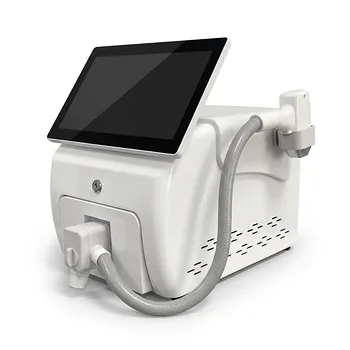
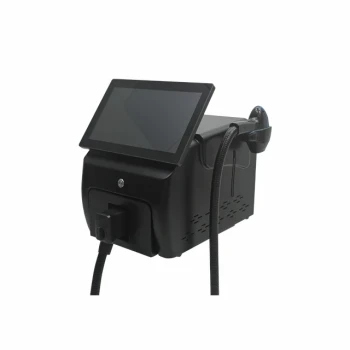
- Tri Laser Diode Hair Removal Machine Professional Beauty Equipment
- Trilaser Diode Hair Removal Machine for Beauty Clinic Use
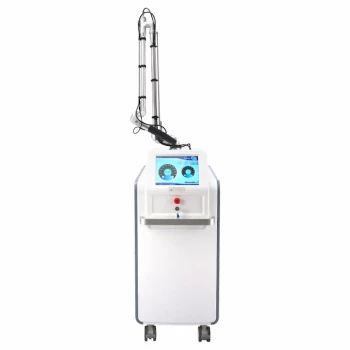
- Pico Laser Tattoo Removal Machine Picosure Picosecond Laser Machine
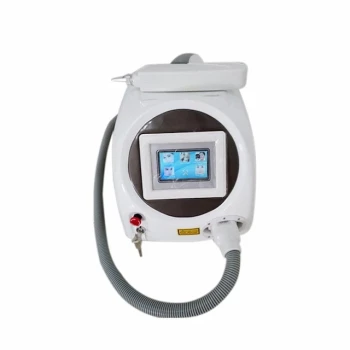
- Q Switch Nd Yag Laser Machine Tattoo Removal Nd Yag Machine
- Diode Laser SHR Trilaser Hair Removal Machine for Clinic Use
People Also Ask
- What ocular safety protocols are required when operating diode or alexandrite hair removal lasers near the periorbital area? Essential eye protection and shielding for safe treatment.
- How do 800/810 nm diode hair removal lasers compare to 1064 nm long-pulsed Nd:YAG lasers? Discover the Best for Your Patients
- How do 800–810 nm Diode hair removal lasers compare to 1064 nm Long-Pulsed Nd:YAG lasers in terms of hair reduction efficacy and patient comfort? Discover Key Differences for Optimal Hair Removal
- What role does Thermal Relaxation Time (TRT) play when setting pulse duration parameters on diode laser hair removal and vascular laser equipment? Optimize treatments for better outcomes.
- How can aesthetic practitioners prevent side effects like paradoxical hair regrowth and thermal burns when performing diode laser hair removal on dark skin? Master safe protocols for Fitzpatrick IV–VI skin.