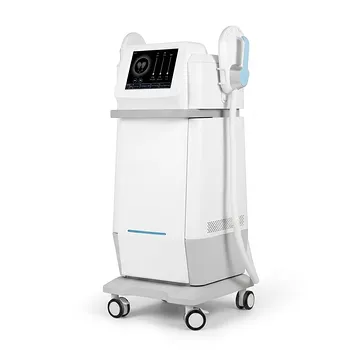
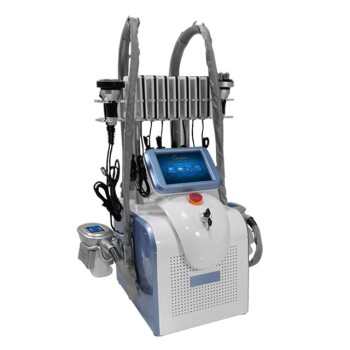
The shift toward non-invasive aesthetic devices has made aesthetic care more accessible to a broader patient population. Treatments such as skin-rejuvenation lasers, body-sculpting systems, LED devices, hydrafacial platforms, and exfoliators appeal across age groups and genders because they generally involve less downtime and can address cosmetic concerns without surgery. As a result, clinical strategies are moving toward personalized combinations of technologies, ongoing maintenance, and standardized protocols rather than relying on a single invasive procedure.
Non-invasive devices expand who seeks aesthetic treatment and how often they seek it. Clinics must respond with anatomy-based treatment planning, combined modalities, continuous training, and clear regulatory oversight.
How Non-Invasive Devices Are Changing Patient Demographics
A broader age range
Non-invasive treatments lower the practical barriers associated with aesthetic care. Patients who are not ready for surgery, or who have relatively early concerns involving texture, tone, hydration, or mild laxity, may consider device-based treatment more acceptable.
This creates a continuum of care that can include preventative skin maintenance for younger adults and anti-aging treatment plans for older patients.
Greater gender diversity
The expansion of body-sculpting, skin-rejuvenation, and energy-based treatments has also broadened the appeal of aesthetic medicine beyond its traditional patient base. Device-based care can be positioned around specific anatomical or cosmetic goals rather than a particular gender.
Clinics therefore need treatment pathways, imagery, consultation language, and outcome measures that reflect diverse patient needs.
Increased demand for accessible treatment
Patients increasingly expect treatments that fit into their work and personal schedules. Non-invasive procedures can support shorter recovery periods and repeat visits, making aesthetic care easier to incorporate into routine wellness and appearance management.
This accessibility can also shift patient expectations: people may seek incremental improvements and regular maintenance instead of a single, dramatic intervention.
How Clinical Treatment Strategies Are Evolving
From single procedures to combined modalities
Different devices affect different tissue characteristics and anatomical layers. A clinic may combine skin-rejuvenation technology with hydration, exfoliation, LED therapy, or body-contouring treatments to address several aspects of a patient’s concern.
The objective is not to use as many devices as possible. It is to select complementary techniques according to facial or body anatomy, tissue physiology, treatment goals, and the patient’s tolerance.
From standard menus to personalized plans
Broader demographics require more individualized assessment. Age, skin condition, tissue characteristics, anatomical location, and the desired degree of change all influence which modality or combination is appropriate.
A personalized plan also helps clinicians sequence treatments safely and define realistic outcomes before treatment begins.
From intensive intervention to ongoing maintenance
Non-invasive devices can function as preparation or maintenance therapy alongside more intensive medical procedures. Hydration and exfoliation systems, for example, can improve surface texture and support the skin’s appearance without targeting deeper anatomical concerns.
This creates a dual-action model: medical interventions address deeper or pathological issues, while professional aesthetic devices maintain hydration, tone, texture, and overall surface quality.
From occasional visits to treatment programs
Because many device-based treatments are delivered over multiple sessions, clinics increasingly manage aesthetic care as a program rather than an isolated appointment. Programs require consistent patient evaluation, treatment intervals, documentation, and follow-up.
Repeatable protocols are particularly important when several practitioners deliver the same service.
Why Training and Physiology Matter More
Devices still produce biological effects
“Non-invasive” does not mean biologically insignificant. Energy-based devices interact with tissue, and outcomes depend on variables such as tissue response, treatment parameters, and anatomical location.
Practitioners need a working understanding of tissue physiology to select appropriate settings, recognize contraindications, and respond to unexpected reactions.
Protocols support consistency
Standardized protocols help translate device capabilities into reliable clinical services. They should address patient assessment, treatment selection, parameter use, safety checks, documentation, aftercare, and follow-up.
Protocols should guide clinical judgment rather than replace it, particularly when patients have different skin conditions or treatment histories.
Ongoing education becomes essential
As device platforms and treatment combinations evolve, initial training is not sufficient. Continuous professional development helps practitioners maintain technical competence and understand how modalities can be combined safely.
Training is also important for ensuring that staff members understand the boundaries of their role and when physician involvement is required.
The Role of Regulation and Delegation
Scope of practice affects service design
Regulations differ by region and determine which procedures estheticians or non-physician staff may perform independently, which require physician supervision, and which may be restricted to licensed medical professionals.
A clinic’s device strategy must therefore account for local practice laws, delegation standards, supervision requirements, and the intended operator of each platform.
Non-invasive does not remove compliance obligations
Body-sculpting systems, superficial facial devices, and LED platforms may broaden a clinic’s service menu, but they still require appropriate governance. Compliance includes staff credentialing, equipment training, informed consent, maintenance, recordkeeping, and appropriate escalation procedures.
The lower invasiveness of a treatment should not be treated as a reason to reduce clinical oversight.
Understanding the Trade-offs
Broader access can increase demand for unrealistic results
When treatments become more convenient, patients may expect immediate or surgery-level changes. Non-invasive technologies often produce gradual, incremental, or maintenance-dependent results.
Clinicians must explain what a device can realistically change, how many sessions may be needed, and when a medical or surgical intervention would be more appropriate.
Combination treatments add complexity
Combining modalities can improve the overall treatment strategy, but it also increases planning requirements. Poor sequencing, excessive treatment intensity, or inappropriate combinations may compromise skin barrier integrity or reduce patient safety.
Each added modality should have a clear clinical purpose and be evaluated within the context of the full treatment plan.
Accessibility does not guarantee suitability
A treatment may be convenient and broadly appealing while still being inappropriate for a particular patient. Assessment remains necessary to identify contraindications, distinguish cosmetic concerns from underlying medical conditions, and determine whether the patient’s goals are achievable.
Repeatability depends on operational discipline
Non-invasive services can be repeatable, but consistent results require qualified operators, calibrated equipment, documented protocols, and reliable follow-up. Without those controls, variation between practitioners can undermine both outcomes and patient confidence.
Making the Right Choice for Your Goal
The demographic expansion changes the responsibility of the clinic as much as its potential market.
- If your primary focus is broadening patient access: Build inclusive consultation and treatment pathways that address different ages, genders, anatomical concerns, and tolerance for downtime.
- If your primary focus is clinical outcomes: Use anatomy- and physiology-based plans that combine complementary non-invasive modalities only when each contributes a defined benefit.
- If your primary focus is patient satisfaction: Pair intensive medical treatments with surface-level preparation and maintenance therapies while setting clear expectations about gradual results and ongoing care.
- If your primary focus is operational safety: Standardize assessment, treatment parameters, training, documentation, aftercare, and physician supervision according to local regulations.
- If your primary focus is long-term practice growth: Treat device-based care as a structured treatment program with repeat visits, monitoring, and maintenance rather than as a collection of standalone procedures.
The move toward non-invasive aesthetics expands the patient population, but disciplined personalization and clinical governance determine whether that access becomes safe, effective, and sustainable care.
Summary Table:
| Aspect | Impact of Non-Invasive Devices |
|---|---|
| Patient Demographics | Broader age range, greater gender diversity, increased accessibility for preventive and maintenance care. |
| Treatment Strategies | Shift from single procedures to combined modalities, personalized plans, ongoing maintenance, and structured treatment programs. |
| Clinical Considerations | Need for anatomy-based planning, standardized protocols, continuous training, and regulatory compliance. |
| Trade-offs | Risk of unrealistic expectations, added complexity in combinations, and need for operational discipline. |
Ready to expand your practice with advanced non-invasive aesthetic devices? At BELIS, we specialize in professional-grade equipment for clinics and premium salons, offering a comprehensive range including laser systems (Diode, Alexandrite, CO2, Erbium, Nd:YAG, Pico), IPL, PDT, HIFU, Microneedle RF, body sculpting (EMSlim, Cryolipolysis, RF Cavitation), Hydrafacial, skin testers, and hair growth machines. Our solutions support personalized treatment strategies that attract a diverse patient base and ensure clinical excellence. Contact us today to explore our cutting-edge technology and elevate your services – Get in touch!
Related Products
- Cryolipolysis Fat Freezing Machine and Ultrasonic Cavitation Device
- EMSlim Body Slimming Machine for Muscle Building and Beauty
- 22D HIFU Machine Device Facial Machine
- 4D 12D HIFU Machine Device for Skin Tightening and Lifting
- Ultrasonic Cavitation Machine Lipo Laser Device
People Also Ask
- What are the main benefits of using a fat freezing machine? Achieve Permanent, Non-Surgical Body Sculpting
- What anatomical factors determine whether a patient with submental fullness should be treated with cryolipolysis fat-reduction devices versus energy-based skin tightening modalities?
- What are the potential side effects and risks associated with fat freezing? Safety Profile & Rare Risks Explained
- What are the technical advantages of using lower temperatures and shorter durations in cryolipolysis fat reduction?
- What safety precautions are essential during a cryolipolysis procedure? Top Safety Protocols for Clinics