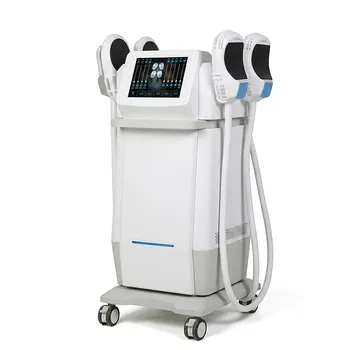
Professional cryolipolysis selectively targets fat because lipid-rich adipocytes are more vulnerable to controlled cooling than surrounding water-rich tissues. The applicator uses vacuum suction to draw a fold of subcutaneous fat between cooling panels, where carefully regulated cold causes intracellular lipids to crystallize and initiates adipocyte injury and apoptosis. Skin, blood vessels, muscles, and most nerve structures are generally spared because their composition and cold tolerance differ, while treatment controls limit the depth and duration of cooling.
The selectivity comes from controlled exposure, not simply from “freezing fat.” Cryolipolysis creates a localized biological response in adipose tissue, after which the body gradually removes the damaged cells through inflammation, macrophage activity, and normal clearance pathways.
How the Treatment Reaches the Fat Layer
Vacuum isolates the target tissue
The applicator applies negative pressure to pull a fold of skin and subcutaneous fat between cooling surfaces. This concentrates treatment on the tissue selected for contouring rather than cooling the entire body region indiscriminately.
The applicator’s shape, contact area, suction level, and positioning also help define the treated zone and the approximate depth of cooling.
Controlled cooling creates a treatment window
Professional devices use a refrigeration system and temperature controls to maintain a selected cooling profile for a defined period. Depending on the device and applicator, tissue temperatures may approach or fall below 0°C, but the clinically important factor is the complete combination of temperature, duration, and tissue contact.
This controlled window is designed to damage susceptible adipocytes without producing the type of uncontrolled cold injury associated with frostbite.
Why Fat Cells Are More Vulnerable
Lipid crystallization initiates adipocyte injury
Adipocytes contain substantial stores of triglycerides and other lipids. Under sufficiently cold conditions, these intracellular lipids can undergo a phase transition and form crystals before the more water-rich structures in surrounding tissues are similarly affected.
The crystals and associated cellular stress disrupt normal adipocyte function. This activates a delayed inflammatory process and can lead to programmed cell death, or apoptosis.
Surrounding tissues have different composition and tolerance
Skin, nerves, blood vessels, and muscle contain considerably more water and structural tissue than adipocytes. Their response to the same controlled cooling exposure is therefore different from that of lipid-rich fat cells.
This biological difference provides the basis for selective treatment. However, it should not be interpreted as absolute cold immunity: surrounding tissues can still be affected if cooling is excessive, poorly controlled, or applied incorrectly.
What Happens After Cooling
The response is delayed rather than immediate
Cryolipolysis does not remove fat during the treatment session. Instead, the exposure initiates a localized tissue response that develops over the following weeks.
The treated adipocytes may undergo apoptosis and a form of localized inflammation sometimes described as panniculitis, or inflammation of fatty tissue.
Macrophages clear cellular debris
Immune cells called macrophages migrate into the treated area and engulf damaged cells and debris. The material is then processed through the body’s ordinary clearance and metabolic pathways.
Because this process is gradual, visible contour changes typically develop over several weeks and may continue for months rather than appearing immediately after treatment.
How Skin and Nerves Are Protected
Treatment depth is limited by applicator design
Cryolipolysis applicators are designed to contact and cool a defined tissue fold. Cooling therefore decreases with distance from the applicator, limiting the principal treatment effect to the captured subcutaneous tissue.
The skin-contact interface, applicator geometry, treatment duration, and temperature monitoring all contribute to controlling exposure.
Protective interfaces reduce superficial cold injury
Many systems use a protective membrane or gel pad between the applicator and the skin. This helps reduce direct surface injury while allowing controlled cooling to reach the underlying fat.
Professional operation is essential because correct placement, appropriate settings, and adequate contact are part of the safety mechanism.
Nerve effects are usually temporary when they occur
Temporary numbness, altered sensation, tenderness, or tingling can occur after treatment because superficial sensory nerves may be exposed to the cooling field. These effects generally resolve, but they demonstrate that the surrounding tissues are not completely unaffected.
Persistent, severe, or unusual symptoms require clinical assessment. Cryolipolysis should be performed only with an appropriate device and trained medical or aesthetic professionals.
Understanding the Trade-offs
Selectivity depends on precise operating conditions
Cryolipolysis is selective within a controlled temperature-and-time range. Excessive cooling, unsuitable treatment areas, poor applicator positioning, or inadequate skin protection can increase the risk of cold injury.
The technology should therefore be understood as controlled tissue injury, not as a process that targets fat with perfect chemical precision.
It treats localized contouring, not general weight loss
Cryolipolysis is intended to reduce localized subcutaneous fat deposits. It does not replace weight management, and it does not remove visceral fat surrounding internal organs.
Results also vary according to the treated area, tissue thickness, device, treatment protocol, and individual biology.
Rare complications are possible
Potential adverse effects include temporary pain, bruising, swelling, altered sensation, and firmness. Rarely, an abnormal enlargement of treated fat tissue called paradoxical adipose hyperplasia can occur and may require additional treatment.
A proper consultation should review medical history, treatment suitability, expected results, and the device’s safety protocols before treatment.
Applying the Mechanism to Treatment Decisions
The mechanism explains both the value and the limits of cryolipolysis.
- If your primary focus is selective fat reduction: Choose a professionally operated system that provides controlled cooling, appropriate applicator selection, and temperature monitoring.
- If your primary focus is protecting skin and nerves: Confirm that the provider uses a validated protective interface, follows manufacturer protocols, and explains the possibility of temporary sensory changes.
- If your primary focus is rapid results: Recognize that cryolipolysis works gradually through inflammation and immune clearance, so visible changes develop over weeks to months.
- If your primary focus is substantial weight loss: Consider a weight-management or medical treatment plan instead, because cryolipolysis is designed for localized contouring rather than whole-body fat reduction.
Understanding the biology, treatment controls, and limitations allows cryolipolysis to be evaluated as a targeted contouring procedure rather than an indiscriminate method of freezing tissue.
Summary Table:
| Aspect | Why Fat is Targeted | Why Skin/Nerves are Spared |
|---|---|---|
| Composition | Lipid-rich adipocytes are vulnerable to cooling-induced crystallization. | Water-rich tissues have higher cold tolerance. |
| Mechanism | Controlled cooling triggers apoptosis and inflammation. | Protective interfaces and limited cooling depth reduce risk. |
| Outcome | Gradual fat reduction via immune clearance. | Temporary sensory changes possible; severe damage rare if protocol followed. |
Enhance Your Aesthetic Practice with BELIS Cryolipolysis Systems
Offer your clients safe, effective body contouring with our professional cryolipolysis equipment. Designed for clinics and premium salons, our devices provide precise cooling control, multiple applicators, and validated safety features.
Benefits for your practice:
- Advanced Technology: Ensure selective fat reduction with minimal risk to surrounding tissues.
- Trusted Quality: Certified and reliable devices that meet professional standards.
- Comprehensive Solutions: Part of a full spectrum of aesthetic devices (lasers, IPL, HIFU, and more) to expand your offerings.
Contact us today to learn more about partnership, OEM/ODM options, and how BELIS can elevate your business.
Related Products
- Fat Freezing Cryolipolysis Machine for Body Contouring
- Cryolipolysis Fat Freezing Machine Ultrasonic Cavitation Fat Reducing Device
- Fat Freezing Cryolipolysis Machine for Body Contouring
- Cryolipolysis Fat Freezing Machine with Cavitation and Laser Lipolysis
- Cryolipolysis Cavitation Machine Fat Cavitation Machine
People Also Ask
- What are the main benefits of using a fat freezing machine? Achieve Permanent, Non-Surgical Body Sculpting
- Do fat freezing machines really work? Achieve Non-Invasive Body Contouring
- What are the potential side effects and risks associated with fat freezing? Safety Profile & Rare Risks Explained
- What are the clinical and safety risks of using uncertified or replicate cryolipolysis body contouring equipment? Avoid hyperpigmentation and legal exposure with certified systems.
- What maintenance and service aspects are important when purchasing a fat freezing machine? Maximize ROI & Reliability