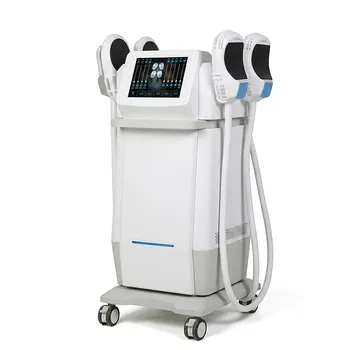
Photopneumatic therapy treats acne by combining pore-clearing vacuum suction with targeted light. The suction mechanically lifts and evacuates sebum, keratin, and comedonal material, while blue light activates bacterial porphyrins associated with Cutibacterium acnes and infrared light delivers deeper thermal effects that help reduce inflammation. Because the follicle is cleared before illumination, the light can reach its targets more efficiently.
The central advantage is the combination of mechanical cleansing and optical treatment in one non-ablative procedure. It addresses the contents of clogged follicles, acne-associated bacteria, and inflammation without anesthesia or systemic medication.
How Photopneumatic Therapy Works
Vacuum suction clears the follicle
Negative pneumatic pressure gently draws the skin and sebaceous follicle toward the treatment handpiece. This helps loosen and remove excess sebum, keratin, and other material responsible for pore blockage.
For comedonal acne, this mechanical action is especially important because blackheads and whiteheads are primarily physical obstructions. Light alone cannot reliably remove a compacted plug, but suction directly addresses the obstruction.
Blue light targets acne-associated bacteria
The blue-light component, typically centered around the 400–420 nm range, is absorbed by porphyrins produced during the metabolism of C. acnes, formerly known as Propionibacterium acnes.
This absorption can initiate an oxygen-dependent photodynamic reaction that damages or destroys the bacteria within acne-prone follicles. The effect is localized and does not rely on antibiotic medication.
Infrared light supports inflammation control
The infrared component, around 1200 nm according to the primary reference, provides targeted thermal energy deeper in the tissue.
For pustular acne, where bacterial activity and inflammation are more prominent, this deeper thermal effect complements bacterial reduction by helping moderate inflammatory activity around the follicle.
Clearing improves light delivery
A blocked follicle can limit how effectively energy reaches its intended target. By mechanically evacuating pore contents and bringing the sebaceous target closer to the skin surface, the pneumatic phase can improve the optical path for subsequent light exposure.
The same principle may also improve the penetration and distribution of topical skincare products applied during or after treatment.
How It Addresses Different Acne Lesions
Comedonal acne
Comedones arise when sebum and keratin accumulate within a follicle. Vacuum extraction is therefore the primary component for this type of acne.
The blue-light phase provides an additional antibacterial effect, which may help reduce the conditions that contribute to future obstruction and inflammation.
Pustular acne
Pustules contain inflammatory material and are associated with bacterial activity and an inflamed follicular environment. Blue light targets porphyrins associated with C. acnes, while infrared energy provides a deeper anti-inflammatory effect.
The procedure is not simply extracting visible lesions. Its purpose is to combine physical follicle clearance with treatment of biological factors that sustain inflammation.
Key Advantages of the Approach
It combines two complementary mechanisms
Traditional extraction addresses the pore contents but does not directly provide light-based bacterial targeting. Light therapy can affect bacteria and inflammation but is less effective when material physically blocks the follicle.
Photopneumatic therapy combines both steps, allowing mechanical clearance and light exposure to reinforce one another.
It is non-ablative and generally comfortable
The treatment does not intentionally remove or vaporize the epidermis. It uses suction and light rather than cutting, peeling, or ablating the skin.
The primary reference also describes the procedure as requiring no anesthesia, although individual comfort can vary with suction strength, active inflammation, and treatment settings.
It avoids antibiotic resistance
Because the antibacterial action is based on light-activated porphyrins rather than an antibiotic drug, it does not create the same mechanism of bacterial resistance associated with repeated antibiotic exposure.
This can be valuable for patients who need a non-systemic option or who have not responded well to topical or oral medication.
It may reduce widespread irritation
Topical acne medications can cause dryness, redness, peeling, or irritation, while oral antibiotics have systemic considerations. Photopneumatic treatment provides a localized approach that does not depend on continuously applying medication across the entire treatment area.
That does not mean the procedure is irritation-free, but it can avoid some of the epidermal barrier disruption associated with aggressive topical regimens.
It may provide additional skin benefits
Mechanical cleansing can improve the appearance of congested pores and surface texture. Depending on the device and protocol, light-based systems may also be used to address certain tone or dyschromia concerns.
These additional effects should be considered secondary to the acne-specific treatment and should not be assumed for every device.
Why the Pneumatic Component Matters
It improves access to deeper targets
Vacuum pressure stretches and elevates the treated tissue. This can help bring follicles and sebaceous structures closer to the surface, improving the practical reach of light energy.
The effect is particularly relevant because shorter wavelengths are absorbed more superficially and may otherwise have limited access to deeper follicular targets.
It can reduce the energy requirement
When the target is brought closer to the surface, the device may not need to deliver as much energy to achieve a useful effect. Lower energy requirements can help improve treatment comfort and reduce unnecessary thermal exposure.
Actual energy settings must still be selected according to the device, skin type, lesion characteristics, and clinical protocol.
It physically removes what light cannot
Light can alter bacterial activity and inflammation, but it does not substitute for removal of a dense keratinous plug. Suction provides a direct mechanical method for evacuating material from the follicle.
This is the main reason the technology is relevant to comedonal acne, not only inflamed lesions.
Understanding the Trade-offs
It is not the same as photodynamic therapy
Photopneumatic therapy should not automatically be described as conventional photodynamic therapy (PDT). PDT usually involves applying a topical photosensitizer, such as ALA or m-ALA, allowing it to accumulate in the pilosebaceous unit, and then activating it with a specific light source.
The photopneumatic approach described here relies on vacuum suction plus light acting on endogenous bacterial porphyrins. A clinic may offer both technologies, but they involve different protocols, mechanisms, and downtime profiles.
Results depend on the type and severity of acne
Suction is most directly useful for comedonal congestion, whereas pustular disease requires careful management of bacterial and inflammatory activity. A single modality may not address every acne driver equally well.
More severe, widespread, scarring, or treatment-resistant acne may require prescription therapy or combination management under medical supervision.
Treatment settings require clinical judgment
Light response is influenced by wavelength, fluence, pulse structure, skin pigmentation, tissue depth, and the degree of inflammation. Excessive energy can increase discomfort or unwanted thermal effects, while insufficient energy may produce limited benefit.
Device-specific protocols and appropriate assessment are therefore essential.
Mechanical treatment has practical limits
Aggressive suction or repeated manipulation can aggravate already inflamed lesions. The treatment should not be treated as forceful extraction, particularly when pustules are tender, fragile, or at risk of scarring.
The goal is controlled follicular clearance, not maximal pressure.
It does not eliminate acne permanently
The procedure can reduce existing congestion and inflammatory activity, but it does not permanently remove the underlying tendency toward sebum production, follicular hyperkeratinization, or hormonal fluctuation.
Maintenance care and, when appropriate, medical acne treatment may still be necessary.
How to Apply This to Your Treatment Goal
Photopneumatic therapy is best understood as a targeted adjunct or alternative within a broader acne-management plan.
- If your primary focus is comedonal acne: Prioritize the vacuum component because mechanical evacuation directly addresses blackheads, whiteheads, and compacted pore contents.
- If your primary focus is pustular acne: Look for a protocol that combines controlled follicular cleansing with blue-light bacterial targeting and infrared anti-inflammatory treatment.
- If your primary focus is avoiding antibiotics: Consider light-based treatment as a non-systemic option, while recognizing that suitability depends on acne severity and clinical assessment.
- If your primary focus is comfort and minimal downtime: Confirm the device settings and protocol, since non-ablative treatment without anesthesia does not guarantee identical comfort for every patient.
- If your primary focus is comprehensive acne control: Use photopneumatic therapy as part of a complete plan rather than assuming it will replace all topical or prescription treatments.
Photopneumatic therapy is most valuable when its two components are treated as complementary: suction clears the obstruction, and light addresses bacterial and inflammatory factors that remain.
Summary Table:
| Aspect | Comedonal Acne | Pustular Acne |
|---|---|---|
| Primary Mechanism | Vacuum suction (mechanical extraction) | Blue light (antibacterial) + infrared (anti-inflammatory) |
| Key Advantage | Directly removes plugs | Targets bacteria and reduces inflammation |
| Light Role | Supplementary antibacterial | Essential for bacterial and inflammatory control |
| Best For | Blackheads, whiteheads | Inflamed, pus-filled lesions |
Ready to incorporate advanced photopneumatic therapy into your practice? BELIS offers professional-grade medical aesthetic equipment, including photopneumatic devices, tailored for clinics and premium salons. Our portfolio also features laser systems, IPL, PDT, and more. Contact us today to learn how our solutions can enhance your treatment offerings and patient outcomes. Get in touch with our experts!
Related Products
- 12D HIFU Machine Device for Facial HIFU Treatment
- 7D 12D 4D HIFU Machine Device
- 4D 12D HIFU Machine Device for Skin Tightening
- 22D HIFU Machine Device Facial Machine
- 4D 12D HIFU Machine Device for Skin Tightening and Lifting
People Also Ask
- What roles do ultrasound coupling gel and polyethylene film play in HIFU? Key to Safe and Precise Energy Delivery
- What is the mechanism of HIFU devices for facial lifting? Unlock Non-Surgical SMAS Tightening Secrets
- Is swelling a frequent side effect after a HIFU facial? Expert Insights on HIFU Recovery and Safety
- What is the mechanism of action of High-Intensity Focused Ultrasound (HIFU) devices in noninvasive body sculpting, and how is surrounding tissue protected?
- How do non-invasive lifting devices like high-intensity focused ultrasound (HIFU) complement soft tissue fillers in treating lower face aging and pre-jowl sulcus depression? Discover the synergistic approach.