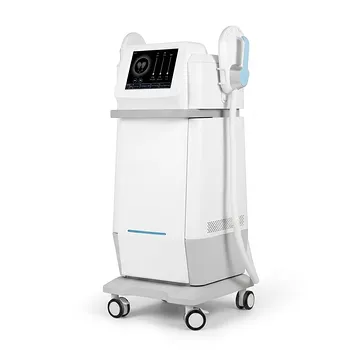
Obesity increases VTE risk in aesthetic procedure candidates, particularly when treatment involves surgery, general anesthesia, or prolonged recovery. A BMI of 30 kg/m² or higher is an independent risk factor: obesity is associated with approximately 2.4 times the risk of deep vein thrombosis (DVT) and 2.21 times the risk of pulmonary embolism (PE). Non-invasive body-contouring devices are often preferred for appropriate overweight clients because they can address localized subcutaneous fat without incisions, general anesthesia, vascular trauma, or mandatory postoperative immobility.
The central issue is not simply a client’s weight; it is the interaction between obesity, baseline health, and procedural stress. Non-invasive devices can reduce several surgical VTE triggers, but they are body-contouring tools rather than substitutes for weight management or individualized medical assessment.
Why Obesity Raises VTE Risk
Increased Intra-Abdominal Pressure
Higher body weight can increase intra-abdominal pressure. This may compress venous structures and make it more difficult for blood to return from the lower extremities to the heart.
Reduced venous return encourages venous stasis, one of the major contributors to thrombus formation.
Altered Lower-Extremity Hemodynamics
Obesity can impair normal blood-flow dynamics in the legs. Reduced mobility, increased tissue pressure, and impaired venous return may allow blood to pool in the lower extremities.
This risk becomes more consequential when a procedure further limits movement or affects circulation.
Additional Medical Risk Factors
Overweight and obese aesthetic candidates may also have diabetes, dyslipidemia, cardiovascular disease, or a hypercoagulable condition. A personal history of DVT or PE is especially important because it may substantially change procedural suitability.
The relevant assessment is therefore broader than BMI alone. Medical history, mobility, medications, cardiovascular status, prior clotting events, and the planned treatment must all be considered.
Why Invasive Aesthetic Procedures Carry Greater Concern
Anesthesia and Venous Stasis
General anesthesia can promote venous stasis by reducing normal muscle activity and altering circulation. The risk may increase when the operation is lengthy or when the patient remains inactive afterward.
Abdominoplasty, thigh lifts, and lower-body lifts are particularly concerning because they may combine anesthesia, tissue tightening, increased abdominal pressure, and postoperative immobility.
Surgical Stress and Fluid Shifts
Surgery can produce systemic stress, tissue injury, and fluid shifts. Large-volume liposuction or extended operative times add further physiological demands and may increase the potential for serious complications.
The supplementary reference identifies large fat-removal volumes above 1,500 g and operative times exceeding 140 minutes as circumstances associated with greater concern during liposuction.
Recovery-Related Immobility
After invasive body contouring, pain, swelling, compression garments, and wound restrictions may reduce mobility. This can compound the pre-existing tendency toward venous stasis in patients with obesity.
Confirmed VTE events have been reported disproportionately in major surgical body-contouring procedures, with abdominoplasty and related operations requiring particularly careful risk assessment.
Why Non-Invasive Devices May Be Preferred
They Avoid General Anesthesia
Technologies such as cryolipolysis, radiofrequency cavitation, HIFU, and electromagnetic muscle stimulation can generally be delivered without general anesthesia. Avoiding anesthesia removes one important contributor to perioperative circulatory risk.
This does not mean that every device is appropriate for every patient. Device selection, treatment intensity, medical history, and operator qualifications still matter.
They Do Not Require Surgical Incisions
Non-invasive devices reduce the risks associated with skin incisions, vascular trauma, wound healing, and surgical tissue manipulation. This is particularly relevant for clients with obesity, diabetes, cardiovascular disease, or other conditions that can complicate recovery.
They also avoid the systemic stress and fluid shifts associated with surgical fat removal.
They Usually Permit Rapid Return to Activity
Non-invasive treatments generally do not require the prolonged postoperative immobility associated with major surgery. When clinically appropriate, clients can usually resume ordinary movement more quickly.
Maintaining mobility is important because normal leg-muscle activity supports venous return. Clinics should still provide treatment-specific instructions and should not promise an identical recovery experience for every modality.
They Offer Localized Body Contouring
Non-invasive platforms can target selected subcutaneous fat deposits or provide localized body shaping. This controlled approach may be more suitable than a major operation for clients whose goal is modest contour refinement rather than substantial weight reduction.
The treatment should be presented accurately: body-contouring devices are not a primary treatment for obesity and should not replace nutritional, metabolic, or medical care.
Matching the Treatment to the Patient
Screen Before Treating
A consultation should identify BMI, prior DVT or PE, known clotting disorders, cardiovascular disease, diabetes, current medications, mobility limitations, and recent surgery or hospitalization.
A history suggesting elevated VTE risk may require medical evaluation before any elective aesthetic treatment, especially if an invasive procedure is being considered.
Consider Metabolic Health
Clients with elevated BMI may also have hyperglycemia, dyslipidemia, or cardiovascular risk. These conditions can affect both treatment suitability and the expected response to body-contouring procedures.
Aesthetic goals should therefore be considered alongside the client’s broader health status.
Define the Actual Treatment Goal
If the client wants localized contour improvement, a non-invasive device may be a reasonable option after screening. If the goal is substantial weight loss or treatment of generalized obesity, referral for comprehensive medical and metabolic management is more appropriate.
Clear goal-setting prevents body contouring from being mistaken for disease treatment.
Understanding the Trade-offs
Non-Invasive Does Not Mean Risk-Free
Non-invasive devices can have modality-specific contraindications and adverse effects. Possible concerns vary by technology and may include skin injury, pain, sensory changes, burns, or inadequate results.
The absence of surgery lowers certain risks, but it does not eliminate the need for informed consent, trained operators, and appropriate clinical oversight.
Results May Be More Limited
Non-invasive body contouring usually provides gradual, localized refinement rather than the large-volume fat removal or extensive tissue reshaping possible with surgery.
Clients expecting dramatic changes may be dissatisfied if the treatment is presented as an equivalent substitute for liposuction or surgical lifting.
VTE Risk Is Reduced, Not Automatically Eliminated
Obesity itself remains a VTE risk factor, independent of the procedure. A non-invasive treatment may avoid several surgical triggers, but a client with a prior clot, active medical illness, severe immobility, or another high-risk condition still requires careful assessment.
Clinics should avoid claiming that a device provides “zero risk” or that chemoprophylaxis decisions can be standardized without medical evaluation.
Device Claims Must Match Evidence
Terms such as “cavitation,” “fat reduction,” and “body sculpting” can describe different technologies and outcomes. Clinics should distinguish established treatment indications from marketing language and avoid promising treatment of obesity, metabolic disease, or systemic fat loss without supporting evidence.
Making the Right Choice for Your Goal
The safest choice depends on the client’s health profile, VTE history, mobility, treatment objective, and the invasiveness of the proposed procedure.
- If your primary focus is reducing perioperative VTE exposure: Favor an appropriately selected non-invasive modality that avoids general anesthesia, surgical trauma, and prolonged postoperative immobility, subject to clinical screening.
- If your primary focus is localized body contouring: Use non-invasive platforms such as cryolipolysis, RF-based treatments, HIFU, or electromagnetic stimulation when the client’s goals and medical profile are appropriate.
- If your primary focus is substantial weight reduction: Refer the client for comprehensive medical and metabolic management rather than presenting aesthetic body contouring as an obesity treatment.
- If your primary focus is surgical contouring: Complete individualized VTE risk assessment and medical clearance before considering procedures such as liposuction, abdominoplasty, or body lifts.
- If your primary focus is treating a high-risk client: Review prior thrombosis, cardiovascular disease, diabetes, hypercoagulable states, mobility, and medications before proceeding with any elective treatment.
For overweight aesthetic clients, the most defensible approach is to match the treatment intensity to the patient’s medical risk while keeping body-contouring goals realistic.
Summary Table:
| Factor | Invasive Surgery | Non-Invasive Devices |
|---|---|---|
| Anesthesia | General anesthesia | None |
| Incisions | Yes | No |
| Recovery time | Prolonged immobility | Rapid return to activity |
| VTE risk | Higher | Lower |
| Suitable for | Large volume fat removal | Localized contouring |
Discover how our non-invasive aesthetic solutions can safely address your body contouring goals. Contact us to schedule a consultation and explore our advanced technologies designed for patient safety and satisfaction.
Related Products
- Cryolipolysis Fat Freezing Machine and Ultrasonic Cavitation Device
- EMSlim Body Slimming Machine for Muscle Building and Beauty
- 22D HIFU Machine Device Facial Machine
- 4D 12D HIFU Machine Device for Skin Tightening and Lifting
- Ultrasonic Cavitation Machine Lipo Laser Device
People Also Ask
- What are the main benefits of using a fat freezing machine? Achieve Permanent, Non-Surgical Body Sculpting
- What anatomical factors determine whether a patient with submental fullness should be treated with cryolipolysis fat-reduction devices versus energy-based skin tightening modalities?
- What are the potential side effects and risks associated with fat freezing? Safety Profile & Rare Risks Explained
- What are the technical advantages of using lower temperatures and shorter durations in cryolipolysis fat reduction?
- What are the core differences in mechanism and clinical application between cryolipolysis and thermal modalities like radiofrequency and ultrasound for non-invasive body contouring?