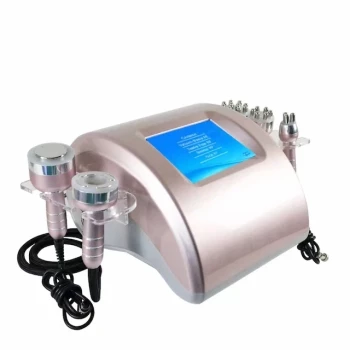
Modern hydro-dermabrasion replaces loose abrasive crystals with controlled exfoliation, suction, and fluid delivery. Traditional crystal microdermabrasion propels particles such as aluminum oxide across the skin while vacuuming away debris, whereas hydro-dermabrasion uses a diamond-tipped or specialized abrasive handpiece with simultaneous irrigation using water, antioxidant serums, or other targeted solutions. This creates a cleaner, more comfortable treatment that exfoliates the outermost skin layer while supporting hydration and topical ingredient application.
The central difference is controlled wet resurfacing versus dry particle abrasion. By combining suction, mechanical exfoliation, and solution delivery in one treatment, hydro-dermabrasion gives professionals greater control over comfort, cleanliness, hydration, and treatment customization.
How the Technologies Work
Traditional Crystal Microdermabrasion
Crystal systems use negative pressure to draw the skin toward the handpiece while propelling loose abrasive particles across its surface. Common media include aluminum oxide, magnesium oxide, sodium chloride, and sodium bicarbonate.
The particles mechanically remove portions of the stratum corneum, the outermost layer of the epidermis. The vacuum then collects the used crystals, exfoliated cells, and surface debris.
Modern Wet Dermabrasion
Hydro-dermabrasion combines suction with a diamond-tipped or specialized abrasive surface. At the same time, the handpiece delivers water, serums, antioxidants, or other skin-conditioning solutions to the treatment area.
The vacuum gently elevates the skin toward the abrasive head, while the liquid helps soften and lubricate the tissue. This supports more uniform superficial exfoliation and removes debris as the treatment progresses.
The Role of Fluid Delivery
The liquid component is not merely a cooling spray. It allows practitioners to pair resurfacing with the application of targeted topical solutions, such as hydrating formulas, antioxidants, or selected brightening agents.
This does not mean every solution penetrates deeply or produces a therapeutic effect simply because it is used with a device. Results depend on the formulation, device settings, skin condition, and professional protocol.
Why Hydro-Dermabrasion Benefits Professional Treatments
Lower Particulate Exposure
Crystal-free wet systems avoid the use of loose abrasive particles. This reduces the risk that airborne or displaced crystals will reach the patient’s eyes or cause corneal irritation.
The treatment environment is also cleaner because the system is managing liquid and exfoliated debris rather than distributing loose particles across the skin and surrounding area.
Improved Patient Comfort
Irrigation helps soften and soothe the skin during mechanical exfoliation. Compared with dry abrasion, this can make the procedure more tolerable, particularly for patients with dry or sensitive skin.
Hydro-dermabrasion is still a physical resurfacing procedure, so comfort depends on suction intensity, handpiece pressure, solution choice, and practitioner technique. It should not be treated as irritation-free for every patient.
Immediate Hydration and Smoother Skin
Traditional crystal microdermabrasion primarily focuses on physical polishing. Hydro-dermabrasion adds immediate fluid and topical-solution delivery, which can leave the skin feeling more hydrated after treatment.
Removing surface buildup and replenishing moisture can also improve the temporary appearance of smoothness, softness, and radiance.
More Consistent Exfoliation
Liquid irrigation and controlled suction help maintain contact between the skin and abrasive head. This can support a more even treatment across the target area than manually distributing loose crystals.
Consistency still depends on the operator. Uneven passes, excessive pressure, or inappropriate settings can produce uneven results with any mechanical exfoliation system.
Greater Treatment Customization
Professionals can select different solutions and adjust suction or abrasion according to the patient’s skin condition and treatment objective. A hydrating protocol may suit dry or sensitive skin, while a more intensive resurfacing approach may be appropriate for thicker, congested areas when clinically suitable.
Some multifunctional platforms also support wet and dry modes. This lets practitioners vary the treatment approach instead of applying the same level of abrasion to every patient.
Efficient Clinical Workflow
Hydro-dermabrasion systems combine exfoliation, suction, debris removal, and solution application in a single treatment sequence. That can simplify the procedure and reduce the need to perform separate cleansing, exfoliation, and hydration steps.
Equipment design varies considerably, so workflow and maintenance claims should be evaluated by reviewing the specific device’s cleaning process, consumables, handpieces, and manufacturer requirements.
What Hydro-Dermabrasion Does Not Replace
It Is Not Traditional Surgical Dermabrasion
Hydro-dermabrasion and microdermabrasion target the superficial stratum corneum. They are not equivalent to medical dermabrasion, which uses substantially more aggressive resurfacing techniques.
The procedures therefore have different indications, risks, recovery profiles, and practitioner requirements. Hydro-dermabrasion should be positioned as superficial resurfacing and skin conditioning, not as a substitute for deeper resurfacing.
It Does Not Guarantee Deep Product Penetration
Exfoliation may improve the skin’s surface condition and support application of topical products. However, “infusion” should be understood carefully: the device does not guarantee that every active ingredient reaches a specific depth or produces a predictable clinical outcome.
Professionals should use products that are appropriate for the device and treatment area. They should also avoid assuming that a stronger solution is automatically more effective.
Understanding the Trade-offs
Mechanical Irritation Remains Possible
Hydro-dermabrasion is generally gentler than dry or crystal-based abrasion, but it still uses suction and mechanical contact. Excessive suction, repeated passes, aggressive abrasion, or unsuitable solutions may cause redness, sensitivity, or inflammation.
Practitioners should tailor settings to the patient rather than treating the “wet” label as a guarantee of low irritation.
Results Are Primarily Superficial
The technology is well suited to surface exfoliation, hydration, and temporary improvement in skin texture. It is less appropriate to describe it as a treatment that independently corrects deep scars, advanced wrinkles, or significant structural skin changes.
Patients with more substantial concerns may require other clinically appropriate modalities.
Technique and Hygiene Matter
The safety and consistency of a hydro-dermabrasion treatment depend on correct handpiece movement, suction control, solution selection, and infection-control procedures. A poorly maintained fluid pathway or inadequately cleaned handpiece can undermine the benefits of a particle-free system.
Clinics should assess disposable components, reprocessing requirements, fluid reservoirs, and manufacturer-approved cleaning protocols before purchasing equipment.
Device Claims Require Scrutiny
Not all hydro-dermabrasion systems use the same abrasive surfaces, pressure levels, fluid delivery methods, or solution compatibility. Some devices emphasize diamond-tip abrasion and vacuum irrigation, while others use different spray or oxygen-assisted delivery mechanisms.
Professionals should compare measurable specifications and clinical protocols rather than relying on the treatment name alone.
How to Apply This to Your Practice
The best choice depends on the patient population, desired treatment intensity, and operational requirements of the clinic.
- If your primary focus is patient comfort: Choose a wet system with adjustable suction, controlled abrasion, and compatible hydrating solutions so treatments can be adapted to sensitive or dry skin.
- If your primary focus is a clean clinical environment: Prefer a crystal-free platform that removes exfoliated debris through suction and avoids loose abrasive particles near the patient’s eyes.
- If your primary focus is treatment customization: Select a system that supports multiple solution types and, where appropriate, adjustable wet and dry treatment modes.
- If your primary focus is immediate skin conditioning: Use evidence-informed hydrating or antioxidant solutions that are specifically compatible with the device and appropriate for the patient.
- If your primary focus is operational efficiency: Compare cleaning procedures, consumable costs, replacement parts, fluid handling, and staff training requirements alongside the treatment results.
Hydro-dermabrasion is most valuable when its controlled exfoliation, fluid delivery, and adjustable settings are matched to the patient and supported by disciplined clinical technique.
Summary Table:
| Feature | Traditional Crystal Microdermabrasion | Modern Wet Dermabrasion |
|---|---|---|
| Abrasive Medium | Loose crystals (aluminum oxide, etc.) | Diamond tip or abrasive surface |
| Fluid Delivery | None | Yes, water/serums/antioxidants |
| Patient Comfort | Can be harsh, dry | Generally more comfortable, soothing |
| Hydration | Minimal | Immediate hydration |
| Particulate Exposure | High risk of crystal scatter | Minimal, crystal-free |
| Treatment Customization | Limited | High, with fluid choice and adjustable settings |
| Clinical Workflow | Separate steps for exfoliation and hydration | Combined exfoliation, suction, and solution delivery |
Ready to elevate your professional skin treatments with advanced hydro-dermabrasion? At BELIS, we specialize in professional-grade medical aesthetic equipment designed exclusively for clinics and premium salons. Our portfolio includes cutting-edge hydro-dermabrasion systems, alongside laser, IPL, PDT, HIFU, body sculpting, and more. Whether you aim to enhance patient comfort, expand your service menu, or improve operational efficiency, we offer tailored solutions with OEM/ODM support and full certifications. Contact us today to discover how BELIS can empower your practice and delight your clients. Get in touch now!
Related Products
- Hydrofacial Machine with Facial Skin Analyzer and Skin Tester
- Hydrofacial Machine Facial Clean Face and Skin Care Machine
- Hydrafacial Machine with Facial Skin Analyzer Skin Tester
- 4D 12D HIFU Machine Device for Skin Tightening
- Trilaser Diode Hair Removal Machine for Beauty Clinic Use
People Also Ask
- What is a HydroFacial treatment? Discover the Secret to Instant, Radiant Skin with Vortex-Fusion Technology
- What is the first step of a hydro-facial treatment? Master the Art of Professional Cleansing & Exfoliation
- What is a Hydrafacial machine and what are its unique features? Elevate Your Clinic with Vortex-Fusion Tech
- Is a HydraFacial machine worth it? Achieve Instant Glow with No Downtime
- What are the business benefits of a spa or salon owning a Hydrafacial machine? Drive Revenue and Loyalty