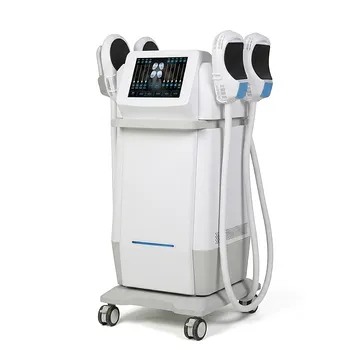
HIFU body sculpting selectively ablates subcutaneous fat by concentrating ultrasound energy at a defined depth, where it rapidly raises tissue temperature above approximately 56°C. This focal heating causes coagulative necrosis of adipocytes while the lower energy density passing through the epidermis and dermis helps preserve the skin surface. The treated fat is then removed gradually through a macrophage-led inflammatory clearance process, so visible contour changes develop over weeks rather than immediately.
HIFU provides selectivity through energy localization: the skin is traversed, but the highest acoustic energy is concentrated within the targeted fat layer. Biological clearance begins within the first few weeks and can continue for approximately 14 weeks, when noticeable circumference reduction is commonly assessed.
How HIFU Targets Subcutaneous Fat
Focused Energy Creates a Treatment Zone
A HIFU transducer sends ultrasonic energy through the skin and focuses it at a selected depth within the subcutaneous adipose layer, often around 1 cm or more below the dermis depending on the applicator and treatment plan.
As the acoustic waves converge, their energy density becomes much higher at the focal point than in the tissues above it. This is comparable to concentrating light through a magnifying lens: the effect is localized where the energy converges, rather than distributed equally across the entire path.
Thermal Injury Destroys Adipocytes
At the focal zone, ultrasonic energy rapidly raises local tissue temperature to above approximately 56°C. This produces thermal injury and coagulative necrosis, meaning the targeted adipocytes lose structural integrity and die while the treatment area remains spatially defined.
The overlying epidermis and dermis receive substantially less concentrated energy. When the device is correctly selected and positioned, those superficial layers remain intact rather than undergoing the same destructive temperature elevation.
Mechanical Effects May Contribute
Some HIFU systems also produce mechanical effects, including acoustic cavitation and micromechanical disruption. These effects can stress or disrupt adipocyte membranes in addition to the primary thermal injury.
The relative contribution of thermal and mechanical effects depends on the device design, frequency, intensity, focal depth, and treatment parameters. The consistent clinical principle is that high energy density is concentrated within the fat target rather than applied diffusely across the skin.
Why Surrounding Tissue Is Generally Preserved
The Skin Is Not the Primary Focal Target
Ultrasound energy passes transcutaneously through the epidermis and dermis at a lower energy density before converging in the subcutaneous fat. Because the highest energy concentration occurs below the skin surface, the superficial layers are not exposed to the same focal thermal effect.
This does not mean the skin is completely unaffected. Passive heat diffusion toward the lower dermis may stimulate localized collagen remodeling, but this is a secondary remodeling response rather than the primary fat-ablation mechanism.
Treatment Depth Must Match Anatomy
Selectivity depends on accurate depth targeting and adequate separation from underlying structures. Practitioners must confirm that sufficient subcutaneous fat is present beyond the device’s treatment depth to reduce the risk of transmitting damaging heat toward muscle or other deeper tissues.
An applicator intended for a particular depth should therefore not be treated as universally appropriate for every body area or patient. Tissue thickness, anatomy, device specifications, and treatment settings all affect the safety margin.
The Biological Timeline for Clinical Results
Immediately After Treatment
The targeted adipocytes undergo thermal coagulation and necrosis during treatment. However, this cellular destruction does not equal instant removal of the fat volume.
The treated area still contains necrotic cells, cellular fragments, and extracellular lipids immediately afterward. These materials must be processed and cleared by the body before the full contour change becomes visible.
During the First Two Weeks
During approximately the first two weeks, the treated region develops an inflammatory clearance response. Scavenger macrophages begin infiltrating the area and removing dead-cell debris and released lipids.
Early changes may therefore be subtle or obscured by temporary local inflammation and tissue response. The first two weeks represent the beginning of biological processing, not the endpoint of the treatment.
Over the Following Two to Three Months
Macrophages continue clearing the disrupted adipose tissue over the next several weeks. This gradual process explains why body contouring results generally emerge progressively rather than appearing immediately after the session.
Clinical reports may describe measurable changes around 8 to 12 weeks, depending on the device, treatment protocol, patient anatomy, and outcome measure used. These time points are compatible with an ongoing clearance process rather than a single abrupt biological event.
Around Fourteen Weeks
The primary reference places completion of the natural inflammatory clearance process at approximately 14 weeks. This is also the point at which noticeable body-circumference reduction may be evaluated clinically.
The exact timing varies among patients, but a 12- to 14-week assessment is a reasonable framework for judging the mature result of a treatment session. Weight stability is important because overall weight gain or loss can mask or exaggerate localized contour changes.
Understanding the Trade-offs
Results Are Delayed
HIFU can destroy targeted adipocytes during treatment, but the body must remove the resulting debris gradually. Patients expecting immediate liposuction-like volume reduction may misinterpret the normal delayed response as treatment failure.
It Targets Localized Fat, Not General Weight
HIFU body sculpting is designed for localized adipose deposits and contour refinement. It is not a substitute for overall weight management and should not be presented as a treatment for obesity.
Changes in body weight after treatment can affect the visible result and make it difficult to distinguish local contouring from broader changes in fat mass.
Safety Depends on Patient Selection
Treatment should be avoided or carefully evaluated in situations where focused energy could create avoidable risk. The supplementary references identify pregnancy or lactation and a history of hernias as contraindication concerns.
Adequate subcutaneous fat depth is also essential. Applying energy where the fat layer is too thin may reduce the separation between the focal zone and deeper muscle tissue.
Mechanism Claims Should Match the Device
HIFU systems are not interchangeable. Frequency, transducer geometry, focal depth, energy settings, and pulse characteristics determine whether a system produces predominantly thermal effects or also meaningful mechanical disruption.
Claims about specific depths, temperatures, or biological pathways should therefore be tied to the equipment and protocol being used. A general description of HIFU should not be treated as a specification for every commercial device.
How to Apply This to Your Project
The most useful way to communicate HIFU results is to separate immediate adipocyte injury from delayed tissue clearance and contour improvement.
- If your primary focus is explaining the mechanism: Emphasize that focused ultrasound concentrates high energy density in subcutaneous fat, producing thermal coagulative necrosis while the superficial skin layers remain largely intact.
- If your primary focus is setting patient expectations: Explain that macrophage clearance begins within about two weeks, continues for several months, and is commonly evaluated around 12 to 14 weeks.
- If your primary focus is treatment safety: Confirm the planned focal depth, adequate fat thickness, relevant anatomy, device-specific parameters, and contraindication history before treatment.
- If your primary focus is measuring clinical effectiveness: Use standardized circumference or fat-thickness measurements at baseline and follow-up, while accounting for changes in overall body weight.
HIFU body sculpting is best understood as a precisely targeted injury followed by a gradual biological clearance process, with mature contour results assessed after several weeks rather than immediately.
Summary Table:
| Aspect | Details |
|---|---|
| Mechanism | Focused ultrasound energy heats subcutaneous fat to >56°C, causing coagulative necrosis. |
| Selectivity | Energy is concentrated at depth, sparing the skin surface. |
| Onset of results | Inflammatory clearance begins within 2 weeks. |
| Full results | Typically evaluated at 12-14 weeks post-treatment. |
| Considerations | Requires adequate fat thickness; not for weight loss. |
Looking for professional-grade HIFU body sculpting equipment? BELIS offers advanced aesthetic devices designed for clinics and premium salons. Contact us today to learn how our HIFU systems can expand your services and drive patient satisfaction. Get in touch with BELIS to discuss your needs and explore partnership opportunities.
Related Products
- 7D 12D 4D HIFU Machine Device
- 22D HIFU Machine Device Facial Machine
- 4D 12D HIFU Machine Device for Skin Tightening and Lifting
- EMS Body Sculpting Machine for Body Slimming and Sculpting
- 12D HIFU Machine Device for Facial HIFU Treatment
People Also Ask
- What is the mechanism of action of High-Intensity Focused Ultrasound (HIFU) devices in noninvasive body sculpting, and how is surrounding tissue protected?
- What are the main functions of a High Intensity Focused Ultrasound (HIFU) machine? Advanced Skin Lifting and Sculpting
- What is the mechanism of action and anatomical target layer of High-Intensity Focused Ultrasound (HIFU) in non-invasive skin tightening procedures? Achieve Precise Lifting with Targeted HIFU Technology
- What is the operating principle of HIFU in non-invasive facial lifting? The Science of Precision SMAS Targeting
- Why is a HIFU device essential for non-invasive facial lifting? Discover the Power of Deep SMAS Layer Targeting