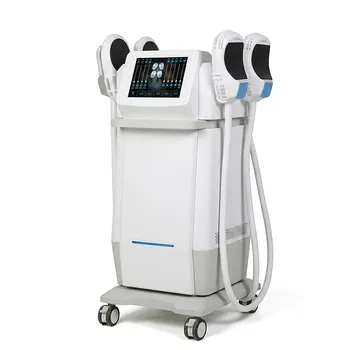
1060-nm laser fat reduction uses controlled heat to selectively injure subcutaneous adipocytes while protecting the skin surface. The externally applied laser penetrates approximately 1–3 cm into tissue and raises the fat layer to about 42–47°C. This hyperthermic exposure causes adipocyte injury and programmed cell death, after which the body gradually clears the damaged cellular material. Typical treatment time is 20–25 minutes per zone, with reported fat-layer reductions of approximately 14–18% over 2–6 months.
The treatment is non-invasive because it thermally targets fat through intact skin rather than removing tissue surgically. Its effectiveness depends on controlled temperature, adequate treatment depth, and sufficient exposure time, while the visible outcome develops gradually as the body processes the injured adipocytes.
How 1060-nm Laser Technology Targets Fat
The wavelength passes through the skin
A 1060-nm diode laser is selected because its energy can pass through the epidermis and dermis with relatively limited surface absorption, including limited interaction with melanin compared with some shorter wavelengths.
This allows the system to deliver thermal energy to subcutaneous tissue without relying on an incision, cannula, or injection.
Energy reaches the subcutaneous fat layer
Typical systems are designed to affect adipose tissue at a depth of approximately 1–3 cm. The target is localized fat beneath the skin rather than the skin itself.
Treatment applicators are placed externally over the selected body zone. Depending on the system, surface cooling or other thermal-control features help limit epidermal heating.
Hyperthermia causes adipocyte injury
The laser raises the temperature of the target fat layer to approximately 42–47°C. Sustained exposure within this range produces controlled thermal stress and cellular injury in adipocytes.
The intended biological response includes apoptosis, or programmed cell death. Some descriptions also refer to necrotic injury; the exact balance depends on the delivered temperature, exposure time, tissue characteristics, and device protocol.
What Happens After Treatment
The body clears damaged cellular material
After treatment, the affected fat cells do not disappear immediately. The body progressively processes and clears the damaged cellular material through normal metabolic and immune pathways.
This is why the contouring effect is delayed rather than visible immediately after the procedure.
Results develop over several months
Clinical follow-up commonly evaluates changes at approximately 2–6 months after treatment. Reported reductions in the treated fat layer are approximately 14–18% in the reference clinical protocols.
These figures describe average or reported treatment outcomes, not a guaranteed result for every patient or body area.
The procedure does not remove fat instantly
Unlike liposuction, 1060-nm laser treatment does not physically extract fat during the session. It produces a gradual reduction in localized fat volume through a biological clearance process.
It is therefore best understood as a body-contouring treatment, not a weight-loss procedure.
Typical Clinical Parameters
Wavelength and treatment depth
- Wavelength: 1060 nm
- Target tissue: Subcutaneous adipose tissue
- Typical target depth: Approximately 1–3 cm beneath the skin
The selected wavelength is intended to concentrate useful thermal exposure in the fat layer while limiting energy absorption at the skin surface.
Treatment temperature
- Typical hyperthermic range: Approximately 42–47°C
Temperature control is central to both efficacy and safety. The system must deliver enough heat to injure adipocytes while avoiding excessive thermal exposure to the epidermis and surrounding tissues.
Treatment duration
- Typical duration: Approximately 20–25 minutes per treatment zone
The exact session time may vary with the device, applicator configuration, treatment area, and clinical protocol. A “zone” should be defined according to the specific system rather than assumed to represent a universal surface area.
Expected follow-up window
- Common assessment period: Approximately 2–6 months
- Reported fat-layer reduction: Approximately 14–18%
Follow-up photography, measurements, or imaging should use consistent methods because apparent contour changes can also be affected by posture, swelling, body weight, and measurement technique.
Why the Treatment Is Considered Non-Invasive
No incision or tissue extraction
The laser is applied externally through intact skin. The procedure does not require an incision, cannula, tissue excision, or surgical fat removal.
Usually minimal downtime
Because the skin is not breached and no tissue is mechanically removed, treatment is generally associated with minimal downtime. Patients may still experience temporary warmth, tenderness, redness, swelling, or altered sensation depending on the device and individual response.
Skin protection remains essential
Non-invasive does not mean risk-free. Controlled cooling and temperature monitoring are important because the epidermis and dermis can still be injured if thermal delivery is excessive or poorly controlled.
Understanding the Trade-offs
Results are gradual and moderate
The reported 14–18% reduction in fat-layer thickness represents localized contour improvement rather than dramatic volume removal. Patients seeking large-volume fat removal may require a different treatment approach.
Treatment does not replace weight management
The technology targets localized subcutaneous fat, not generalized obesity or systemic weight gain. Significant changes in body weight can reduce the visibility or durability of the contouring result.
Outcomes vary between patients
Results depend on factors such as fat thickness, treatment area, applicator contact, temperature control, exposure time, baseline anatomy, and the patient’s biological response.
Clinical percentages should therefore be presented as expected ranges from specific protocols, not as universal guarantees.
Protocol details are device-specific
The core parameters—1060 nm, 42–47°C, 1–3 cm depth, and 20–25 minutes per zone—describe typical clinical characteristics from the supplied reference. They do not provide every parameter required for safe operation.
Fluence, power, applicator size, cooling settings, spacing between zones, contraindications, and treatment intervals must come from the specific device’s validated instructions and clinical protocol.
How to Apply This to a Body-Contouring Program
The most appropriate use of 1060-nm laser technology depends on the patient’s goals and the clinical setting.
- If your primary focus is localized contouring: Use controlled 1060-nm hyperthermia to target subcutaneous fat rather than presenting the procedure as a weight-loss treatment.
- If your primary focus is predictable treatment planning: Base protocols on the device-specific temperature, exposure, applicator, and safety specifications—not wavelength alone.
- If your primary focus is patient counseling: Explain that treatment is incision-free with minimal downtime, but visible results develop gradually over approximately 2–6 months.
- If your primary focus is outcome assessment: Document baseline anatomy and use consistent follow-up measurements because reported reductions of 14–18% are protocol- and patient-dependent.
1060-nm laser body contouring works by converting controlled thermal exposure into gradual, localized fat reduction while preserving the intact skin surface.
Summary Table:
| Parameter | Typical Value |
|---|---|
| Wavelength | 1060 nm |
| Target Depth | 1–3 cm |
| Treatment Temperature | 42–47°C |
| Treatment Duration | 20–25 min/zone |
| Assessment Period | 2–6 months |
| Reported Fat Reduction | 14–18% |
Enhance your clinic's body contouring offerings with BELIS's advanced 1060nm laser systems. Our professional-grade equipment ensures safe, effective non-invasive fat reduction for your patients. With comprehensive support and proven technology, we help you deliver exceptional results. Contact us today to learn more!
Related Products
- EMSlim RG Laser Body Sculpting and Slimming Machine
- Cryolipolysis Fat Freezing Cavitation Lipo Laser Machine
- EMSlim Neo Nova Body Sculpting EMS Sculpting Machine
- 7D 12D 4D HIFU Machine Device
- Ultrasonic Cavitation Machine Lipo Laser Device
People Also Ask
- How long does it take to see results from EMSlim? A Realistic Timeline for Lasting Body Contouring
- Can I do EMSlim everyday? Why Daily Sessions Can Hinder Your Results
- How do these treatments improve muscle definition? Unlock the Science of Advanced Body Sculpting
- How does this body contouring treatment achieve muscle toning and shaping? Unlock High-Efficiency Sculpting Results
- Value of EMSlim & Cryolipolysis for Acne with Obesity? Improve Metabolic Health and Results