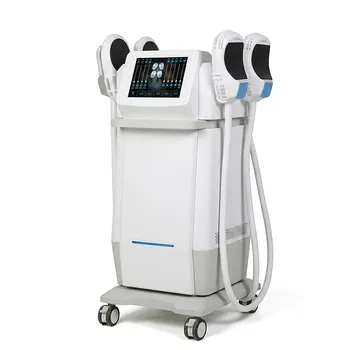
Non-ablative Nd:YAG lasers and Radiofrequency (RF) systems tighten skin by heating the deeper dermis while keeping the epidermis intact. This controlled thermal stimulation contracts existing collagen fibers immediately and activates fibroblasts to produce and reorganize collagen over time. The result is gradual improvement in skin laxity, fine lines, texture, and elasticity with substantially less downtime than ablative resurfacing.
Non-ablative treatment works through controlled dermal remodeling, not surface removal: heat creates a carefully managed wound-healing signal beneath the skin, while epidermal protection limits visible injury and recovery time.
How Non-Ablative Skin Tightening Works
The Treatment Targets the Dermis
The dermis contains collagen, elastin, fibroblasts, blood vessels, and the extracellular matrix that give skin much of its strength and structure. With aging and photodamage, collagen becomes fragmented, less organized, and less effective at supporting the skin.
Non-ablative devices deliver energy below or through the surface to create selective heating within the dermal tissue. The epidermis remains substantially intact, so the treatment does not create the open wound associated with ablative laser resurfacing.
Heat Creates a Controlled Repair Signal
Thermal exposure changes the structure of collagen and activates a wound-healing response. Fibroblasts, the cells responsible for producing much of the dermal matrix, respond by synthesizing new collagen and reorganizing existing tissue.
This process is gradual. Early changes may reflect collagen contraction and tissue response, while more durable improvements develop as collagen is deposited, matured, and remodeled over subsequent months.
Immediate and Delayed Effects Work Together
The immediate tightening effect comes from thermal contraction of existing collagen fibers. Heating alters collagen’s molecular structure, causing the fibers to shorten and become more compact.
The longer-term effect comes from neocollagenesis and dermal remodeling. Fibroblast activity increases after treatment, and the newly formed collagen gradually improves the organization and mechanical support of the dermis.
How RF Systems Tighten Skin
RF Uses Electromagnetic Heating
RF devices deliver high-frequency electromagnetic energy into tissue. The resulting electrical interactions and tissue resistance generate heat within the treatment zone.
Unlike many light-based systems, RF heating is not primarily dependent on a specific optical chromophore such as melanin. This allows RF systems to produce dermal heating through electrical energy delivery, with the depth and distribution influenced by the device design, electrode arrangement, tissue impedance, and treatment settings.
RF Produces Volumetric Dermal Heating
RF is commonly described as producing volumetric heating, meaning that a broader region of tissue can be heated rather than only a narrow optical absorption layer. Monopolar, bipolar, and fractional or microneedling RF systems distribute energy differently and therefore create different patterns of thermal stimulation.
When the dermis reaches an appropriate therapeutic temperature, existing collagen contracts and fibroblasts receive a stimulus for longer-term matrix renewal. The clinical objective is enough heat to activate remodeling without causing uncontrolled injury to the epidermis or deeper structures.
Surface Protection Controls the Thermal Gradient
Cooling systems, contact cooling, impedance monitoring, and controlled energy delivery help keep the epidermis within a safe temperature range. This creates a thermal gradient in which the deeper dermis receives more significant heating than the surface.
The exact balance depends on the device and protocol. RF is not inherently risk-free, and excessive or poorly controlled heating can cause burns, discomfort, fat atrophy, or other complications.
How Non-Ablative 1064 nm Nd:YAG Lasers Work
The Wavelength Reaches Deeper Tissue
A long-pulsed 1064 nm Nd:YAG laser can penetrate relatively deeply because water absorption at this wavelength is weaker than at several mid-infrared wavelengths. Light scattering and absorption within tissue allow energy to produce volumetric dermal heating rather than vaporizing the surface.
The laser’s interaction with tissue is also influenced by melanin, hemoglobin, water content, pulse duration, spot size, and fluence. These variables determine how much energy is deposited, where it is deposited, and how safely the epidermis can be protected.
Cooling Preserves the Epidermis
Nd:YAG systems may use contact cooling, chilled sapphire windows, or other cooling methods to reduce epidermal heating. The goal is to deliver a controlled thermal stimulus to the dermis while limiting surface disruption.
Because the epidermis is not intentionally removed, patients generally experience less recovery than with ablative resurfacing. Redness, warmth, swelling, or temporary sensitivity can still occur, depending on the treatment parameters and the patient’s skin.
Remodeling Improves Skin Quality Gradually
The thermal response can stimulate fibroblast activity, collagen turnover, and changes in the organization of the dermal matrix. Over time, this may improve mild laxity, fine lines, texture, and some forms of diffuse redness.
Nd:YAG treatments are usually better understood as incremental collagen-remodeling procedures than as surgical lifting treatments. Their results depend on the degree of laxity, treatment plan, skin quality, and the specific device used.
Why the Epidermis Is Preserved
Non-Ablative Does Not Mean Non-Thermal
“Ablative” refers to intentional removal or vaporization of the epidermis or superficial tissue. “Non-ablative” means the surface is preserved, not that the treatment produces no injury or inflammation.
Non-ablative devices still create a controlled thermal effect in the dermis. The difference is that they aim to avoid an open epidermal wound.
Preservation Reduces Recovery Burden
An intact epidermis functions as a protective barrier during healing. This generally reduces the prolonged crusting, oozing, and wound care associated with ablative resurfacing.
It can also reduce the risk of some pigmentary complications, particularly when appropriate settings and cooling are used. However, the risk is not eliminated, especially in patients prone to post-inflammatory hyperpigmentation or when excessive energy is delivered.
Understanding the Trade-offs
Results Are More Gradual and Moderate
Non-ablative treatments usually produce less dramatic single-session changes than surgical lifting or aggressive ablative resurfacing. They are most useful for mild to moderate laxity, fine lines, and photodamage, not substantial excess skin.
Several sessions may be recommended because the desired result depends partly on cumulative collagen remodeling.
Treatment Parameters Determine Safety
Energy, pulse duration, spot size, treatment density, electrode configuration, cooling, and number of passes all affect the outcome. The same device category can produce very different results under different protocols.
Overtreatment can cause burns, prolonged inflammation, pigment changes, scarring, or unintended injury to subcutaneous fat. Undertreatment may be comfortable but produce little visible improvement.
“Minimal Downtime” Still Requires Patient Selection
Non-ablative procedures commonly involve temporary redness, swelling, tenderness, or sensitivity. These effects may be brief, but they should be included in the treatment plan.
Active infections, certain inflammatory skin conditions, impaired healing, recent tanning, and some medications can affect suitability or risk. A qualified clinician must assess the patient, device, and treatment area together.
Different Technologies Are Not Interchangeable
RF and 1064 nm Nd:YAG lasers both use heat, but they do not deliver it in the same way. RF relies on electrical tissue interactions, while Nd:YAG relies on optical energy, scattering, absorption, pulse timing, and cooling.
Claims about expected tightening should therefore be tied to a specific device and protocol rather than generalized to every RF or Nd:YAG treatment.
Making the Right Choice for Your Goal
The appropriate technology depends on the degree of laxity, skin type, treatment area, tolerance for downtime, and clinician assessment.
- If your primary focus is mild skin laxity and gradual tightening: Choose a controlled dermal-heating approach such as RF or non-ablative Nd:YAG, understanding that results typically develop progressively and may require multiple treatments.
- If your primary focus is preserving the skin surface and minimizing recovery: Favor a non-ablative protocol with appropriate epidermal cooling, while planning for temporary redness or swelling rather than assuming zero downtime.
- If your primary focus is fine lines and photodamage: Consider a treatment plan that combines thermal collagen remodeling with other evidence-based interventions when appropriate, because non-ablative tightening alone may not correct all surface changes.
- If your primary focus is substantial lifting or excess skin removal: Seek an assessment for surgical or other higher-impact options, since non-ablative energy treatments have practical limits.
Non-ablative skin tightening is best understood as controlled dermal remodeling that exchanges dramatic immediate change for a safer, gradual improvement in skin structure.
Summary Table:
| Technology | Mechanism | Key Benefits | Considerations |
|---|---|---|---|
| Non-ablative Nd:YAG (1064 nm) | Deep optical penetration, volumetric dermal heating | Gradual collagen remodeling, minimal downtime, effective for mild laxity/fine lines | Requires multiple sessions, cooling needed for epidermis safety |
| RF (Radiofrequency) | Electromagnetic energy, volumetric tissue heating | Versatile, depth control, good for various skin types, stimulates collagen | Risk of burns if not controlled, results gradual, electrode design matters |
| Ablative Resurfacing (comparison) | Vaporizes epidermis, aggressive | Dramatic results in one session | Significant downtime, higher risk of complications (pigmentation, scarring) |
Elevate your practice with BELIS professional aesthetic equipment. From Nd:YAG and RF to a full spectrum of advanced laser and body contouring systems, we empower clinics and premium salons to deliver safe, effective non-ablative skin tightening. Contact us today to discuss partnership opportunities, OEM/ODM support, and comprehensive training. Contact BELIS
Related Products
- Clinic Use IPL SHR ND YAG Laser Hair Removal RF Skin Tightening Machine
- Ultrasonic Cavitation Radiofrecuency Machine for Body Slimming
- Ultrasonic Cavitation Machine Lipo Laser Device
- 4D 12D HIFU Machine Device for Skin Tightening and Lifting
- 4D 12D HIFU Machine Device for Skin Tightening
People Also Ask
- Why is the millisecond pulse width critical for laser hair removal on dark skin? Safety Guide for Dark Skin Treatments
- How does the combined application of laser devices and Eflornithine cream create a synergistic effect? Maximize Results
- What are the core hardware limitations of home hair removal devices? Why Professional Systems Deliver Superior Results
- Why is a 0–10 satisfaction scale used for hair management equipment? Elevate Your Clinic's Clinical Efficacy Metrics
- How many times a week should I use my laser hair removal machine? The Truth About Timing for Optimal Results