The key difference is that fluid ratios and blood-loss percentages apply to invasive liposuction, not to non-invasive body sculpting. Historical dry liposuction could involve approximately 20–45% blood loss, while modern superwet and tumescent techniques typically reduce reported blood loss to about 1–7.8% through fluid infiltration, tissue expansion, vasoconstriction, and local anesthesia. RF-based treatments, acoustic cavitation systems, and cryolipolysis do not inject tumescent fluid or aspirate fat, so they generally have no operative blood loss and no infusion-to-aspirate ratio.
Tumescent liposuction controls bleeding but introduces fluid, anesthetic, and surgical-management requirements. Non-invasive modalities avoid those risks because they do not cut, cannulate, infiltrate, or aspirate tissue, but they also provide gradual localized reduction rather than the immediate volume removal possible with surgery.
How Fluid Ratios Developed in Surgical Contouring
Dry liposuction had the greatest bleeding burden
The historical dry technique used little or no infiltration fluid before fat aspiration. Because the cannula disrupted tissue without the benefits of tissue expansion and vasoconstriction, reported blood loss was approximately 20–45% of the aspirated volume.
This approach illustrates why fluid management became central to the development of safer liposuction techniques.
Wet infiltration reduced, but did not eliminate, blood loss
The wet technique introduced saline, commonly with local anesthetic and vasoconstricting medication, before aspiration. Reported blood loss generally fell to approximately 15–30%, with some supplementary accounts describing around 20–25% when epinephrine was used.
The precise result depends on the treated area, medication concentration, surgical technique, patient factors, and how blood loss is measured.
Superwet technique approached a 1:1 ratio
The superwet technique uses roughly one unit of infiltrated fluid for each unit of aspirated fat, producing a 1:1 infusion-to-aspirate ratio.
This provides more tissue expansion and vasoconstriction than the wet technique while limiting the amount of retained fluid compared with more heavily infiltrated methods. Reported blood loss is substantially lower than with dry or conventional wet liposuction.
Tumescent technique uses more fluid than it removes
Tumescent liposuction commonly uses approximately 2:1 or 3:1 fluid-to-aspirate ratios. The solution generally contains dilute lidocaine and epinephrine, often with saline and other protocol-specific ingredients.
The high fluid volume causes the treatment area to become firm and swollen, compressing small vessels and helping limit bleeding. Reported blood loss is commonly cited in the range of 1–7.8%, although results vary by procedure and measurement method.
Why Non-Invasive Modalities Have No Comparable Ratio
There is no infusion or aspiration
RF body contouring, acoustic cavitation systems, and cryolipolysis work through externally applied energy or cooling. They do not introduce saline, lidocaine, or epinephrine into the subcutaneous tissue, and they do not remove fat through a cannula.
Consequently, the relevant fluid ratio for these treatments is not 1:1, 2:1, or 3:1; it is not applicable.
Blood loss is not an operative variable
Because non-invasive devices do not create surgical incisions or mechanically disrupt tissue with aspiration cannulas, they do not produce the operative hemorrhage associated with liposuction. Their safety considerations instead involve energy delivery, cooling exposure, tissue response, device settings, and patient selection.
This distinction is important: “no surgical blood loss” does not mean that every possible adverse event is eliminated.
The biological outcome is different
Liposuction physically removes fat during the procedure. Non-invasive modalities aim to produce localized adipocyte reduction, remodeling, or tissue tightening over time, depending on the technology and treatment protocol.
They should therefore be evaluated as body-contouring tools rather than direct substitutes for large-volume surgical fat extraction.
What the Fluid Difference Means Clinically
Tumescent surgery requires active fluid management
Tumescent procedures may involve substantial infiltration volumes, followed by aspiration, drainage, and postoperative monitoring. Clinicians must account for the amount of fluid administered, the amount recovered, the patient’s weight, the treated surface area, and the medications used.
High-volume procedures require particularly careful monitoring because retained fluid can contribute to fluid overload, while inadequate replacement or excessive blood loss can contribute to hemodynamic instability.
Lidocaine exposure is dose-dependent
Tumescent anesthesia reduces the need for general anesthesia in appropriate cases, but it does not make local anesthetic risk irrelevant. Lidocaine is absorbed systemically, and dosing must be calculated according to the patient and the complete treatment protocol.
The cited reference identifies infiltration volumes corresponding to doses as high as 55 mg/kg in some tumescent protocols. That figure should not be treated as a universal safe limit; maximum dosing depends on professional guidance, patient factors, formulation, absorption, and monitoring.
Epinephrine improves hemostasis but has systemic effects
Epinephrine constricts local blood vessels and contributes to reduced bleeding. It can also produce systemic cardiovascular effects, including changes in heart rate and blood pressure, particularly when large amounts are administered or absorbed.
This is one reason tumescent surgery requires trained clinical oversight, medication calculation, and appropriate monitoring.
How the Modalities Compare
Surgical tumescent liposuction
Tumescent liposuction is suited to patients who need substantial, immediate removal of localized fat or who have tissue redundancy that non-invasive treatment cannot adequately address. Its benefits include a more pronounced single-procedure contour change and direct removal of adipose tissue.
Its costs include incisions, cannula trauma, fluid infiltration, anesthetic exposure, bleeding risk, postoperative drainage, compression garments, edema, and a healing process that can continue for months.
Radiofrequency and acoustic cavitation systems
RF-based systems use controlled thermal energy to influence subcutaneous tissue and, in some systems, promote skin tightening. Devices marketed as “RF cavitation” may combine radiofrequency with acoustic or ultrasound-based energy, so the exact mechanism depends on the equipment.
These treatments avoid infusion, aspiration, and surgical blood loss. Their results are generally more gradual and localized, and they require careful attention to energy settings, skin protection, contraindications, and realistic expectations.
Cryolipolysis
Cryolipolysis uses controlled cooling to affect localized fat. It requires no tumescent solution, surgical anesthesia, incision, or aspiration.
Patients typically experience little or no traditional downtime, but temporary effects such as redness, swelling, bruising, numbness, or tenderness can occur. The treatment is intended for selected localized fat deposits, not for major weight reduction or removal of extensive redundant tissue.
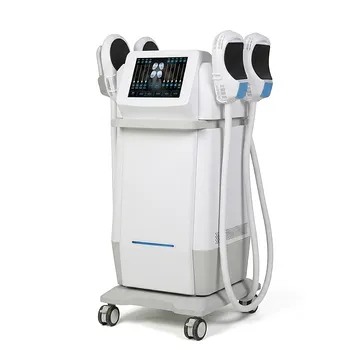
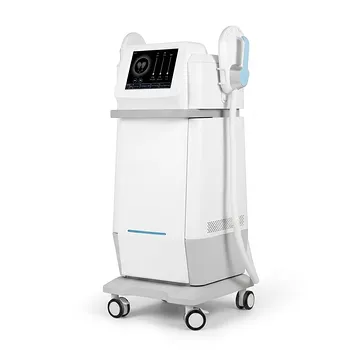
High-intensity electromagnetic systems
Electromagnetic muscle-stimulation systems are primarily intended to induce strong muscle contractions and may support changes in muscle tone or body appearance. They do not use fluid infiltration or cause surgical bleeding.
Their role is therefore different from liposuction and from fat-focused technologies. Treatment claims should be matched to the device’s actual indications and evidence.
Understanding the Trade-offs
“Non-invasive” does not mean risk-free
Non-invasive treatments avoid many surgical complications, including incision-related infection, cannula trauma, operative bleeding, anesthetic toxicity from infiltration, and fluid imbalance. They can still cause treatment-related pain, burns, excessive cooling injury, sensory changes, or other adverse effects if improperly selected or administered.
Device-specific training and adherence to manufacturer and clinical protocols remain necessary.
Less downtime usually means less immediate change
Non-invasive body sculpting is attractive because clients generally avoid surgery, anesthesia, open drainage, and prolonged compression management. The trade-off is that contouring changes are usually more gradual, more modest, and dependent on appropriate candidate selection.
Multiple treatment sessions may be required, and outcomes are not equivalent to removing liters of fat during surgery.
Blood-loss figures are not interchangeable
A reported 1–7.8% blood-loss range for tumescent liposuction describes a surgical procedure with aspiration and fluid infiltration. It should not be used as a performance benchmark for cryolipolysis or RF treatment.
For non-invasive modalities, the relevant questions are instead whether the device is appropriate for the target tissue, whether treatment parameters are controlled, and whether the expected contour change is clinically meaningful.
Large-volume treatment remains a different category
Procedures involving very large fat volumes, including megaliposculpture exceeding 10 liters, create substantially greater demands for anesthesia, fluid and electrolyte monitoring, and postoperative care. These cases are not realistically comparable with a non-invasive session for a small localized deposit.
Non-invasive systems are generally positioned for mild to moderate localized contour concerns, not severe tissue redundancy or extensive adipose removal.
Making the Right Choice for Your Goal
The appropriate option depends on the amount of tissue involved, the desired speed and magnitude of change, medical risk, and tolerance for recovery.
- If your primary focus is immediate and substantial fat removal: Tumescent liposuction can provide the most direct contour change, but it requires invasive surgery, fluid and anesthetic management, bleeding control, and postoperative recovery.
- If your primary focus is avoiding surgery and blood loss: Cryolipolysis and appropriately selected RF or cavitation treatments avoid infusion, aspiration, operative bleeding, and surgical anesthesia, while producing more gradual localized results.
- If your primary focus is skin tightening or tissue quality: RF-based treatment may be relevant because its clinical objective can include thermal remodeling and tightening in addition to contour support.
- If your primary focus is managing extensive tissue redundancy: Non-invasive devices are unlikely to replace surgical evaluation, particularly when substantial excess skin or high-volume fat removal is involved.
- If your primary focus is maintaining or refining a surgical result: Non-invasive treatments may serve as a lower-downtime adjunct for selected residual localized contour concerns, subject to clinical assessment.
The central decision is not simply how much fluid is used, but whether the desired contour change justifies the surgical risks and recovery that non-invasive treatment is designed to avoid.
Summary Table:
| Modality | Infusion-to-Aspirate Ratio | Blood Loss | Procedure Type |
|---|---|---|---|
| Dry Liposuction | Minimal/None | 20-45% | Invasive |
| Wet Liposuction | ~1:1 or less | 15-30% | Invasive |
| Superwet Liposuction | ~1:1 | <10% (approx. 1-7.8%) | Invasive |
| Tumescent Liposuction | 2:1 to 3:1 | 1-7.8% | Invasive |
| RF Cavitation | N/A | None | Non-invasive |
| Cryolipolysis | N/A | None | Non-invasive |
Explore BELIS's advanced non-invasive body sculpting devices, including RF cavitation and cryolipolysis, to offer your clients safe, effective alternatives with minimal downtime. Contact us today to learn how our professional-grade equipment can expand your clinic's services and enhance patient satisfaction. Get in touch with our experts to discuss your needs.
Related Products
- EMS Body Sculpting Machine for Body Slimming and Sculpting
- EMSlim RG Laser Body Sculpting and Slimming Machine
- EMS Body Sculpting Slimming Machine EMSlim Body Slimming Machine
- EMSlim Neo Nova Body Sculpting EMS Sculpting Machine
- EMSlim Body Slimming Machine for Muscle Building and Beauty
People Also Ask
- Does EMS sculpting really work? Achieve Clinically-Proven Body Contouring
- Why is it important for practitioners to avoid over-promising body sculpting results? Ensure Trust and Clinic Success.
- What are the technical advantages of professional body sculpting? Non-Invasive vs. Invasive Liposuction Explained
- Does EMS actually work for weight loss? A Realistic Look at Muscle Building and Metabolism
- What patient selection criteria and evaluation protocols should aesthetic clinics implement to optimize outcomes with non-invasive body sculpting devices?