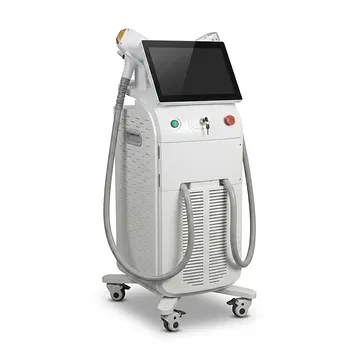
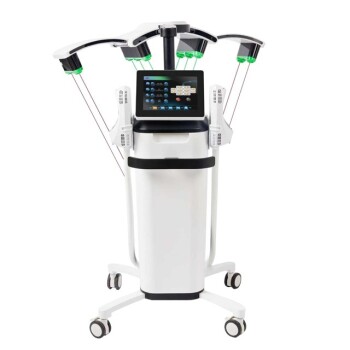
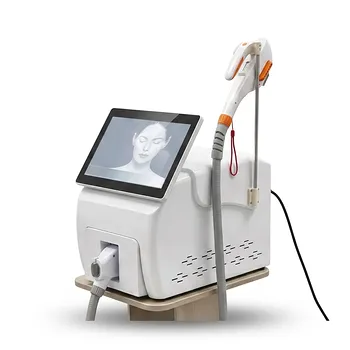
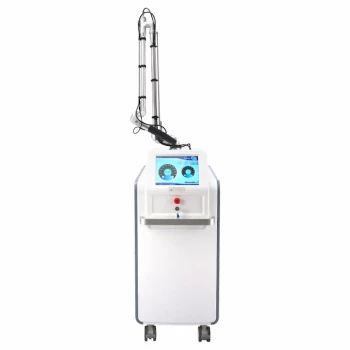
Preventing patient skin burns from optical defects begins with treating every optical surface as a safety-critical component. Scratched, contaminated, or damaged output windows, lenses, and filters can absorb intense light or laser energy and create localized hot spots that burn the skin. Clinic operators should inspect and thoroughly clean these components before every treatment session, remove any defective part from service, and control other sources of excessive thermal absorption in the treatment area.
The essential principle is simple: clean optical components before every session, never use damaged components, and remove or shield unintended absorbers such as loose hair, tattoos, and pigmented lesions.
Why Optical Defects Cause Localized Burns
Damaged surfaces absorb beam energy
A scratch, deposit, or other defect can change how energy passes through an optical component. Instead of transmitting or reflecting the beam uniformly, the defect may absorb energy at a small surface area and produce a concentrated hot spot.
Contamination can be a thermal hazard
Dust, residue, hair, skin products, and other contamination on a lens, filter, or output window can absorb energy during emission. The contaminated area may heat rapidly and transfer that heat to the patient-facing surface or the skin.
The risk may not be visible during treatment
A component can appear usable while still producing uneven energy delivery. Operators should not rely solely on treatment appearance or patient feedback, particularly when anesthesia or aggressive cooling reduces the patient's ability to feel overheating.
Build Optical Inspection Into Every Session
Inspect before cleaning
Before treatment, examine every patient-facing and beam-path optical component for scratches, cracks, clouding, discoloration, pitting, residue, and other damage. Inspection should include output windows, lenses, filters, cooling tips, and any detachable optical accessories used for the procedure.
Clean according to the equipment instructions
Thoroughly clean optical filters, lenses, and output windows before every treatment session using the manufacturer-approved method and materials. Improper solvents, abrasive wipes, or excessive pressure can damage coatings and create additional defects.
Remove damaged components from service
Cleaning cannot correct a scratch, crack, burned coating, or other physical defect. A component with damage that could affect beam transmission or surface heating should be replaced or evaluated by an appropriately qualified service provider before the system is used again.
Keep a repeatable inspection process
Use a documented pre-use checklist that identifies the components inspected, their condition, cleaning status, and any corrective action taken. This makes optical safety a routine equipment control rather than an informal judgment made under time pressure.
Control Unintended Absorbers on the Patient
Clear loose or stray hair
Loose hair in the treatment zone can absorb intense optical energy and become a localized heat source. Remove or secure stray hair before emission, paying particular attention to hair near the handpiece footprint and treatment margins.
Cover non-targeted pigmented lesions and tattoos
Pigmented lesions and tattoos can absorb more optical energy than the intended surrounding tissue. Mask or otherwise cover non-targeted pigmented areas within the treatment field using a method compatible with the device and procedure.
Confirm the treatment field before firing
The operator should verify that the intended grid, skin area, hair control, and protective coverings are correct before each active treatment pass. This pause is especially important when the treatment area is curved, close to mucosal tissue, or contains multiple pigment variations.
Maintain Controlled Energy Delivery
Preserve complete cooling-tip contact
When the system uses a sapphire cooling tip, apply the specified aqueous coupling gel, including the referenced approximately 1 mm layer, and maintain flush contact with the skin throughout energy delivery. Incomplete contact can reduce cooling and create localized thermal differences.
Take extra care over bony areas
The mandible and temporal regions can make it difficult to keep the cooling tip fully flush with the skin. Recheck contact over these contours instead of assuming that the handpiece is cooling uniformly.
Keep the handpiece moving when required
For systems and protocols that require motion during active emission, maintain rapid, continuous handpiece movement. If the patient reports excessive heat, stop or redirect the pass immediately and move to an adjacent grid area after assessing the skin and device conditions.
Monitor peripheral tissue
Cooling one area does not guarantee protection of nearby skin. Operators should monitor peripheral temperature and protect non-target tissue from heat conducted through adjacent skin, metal tools, or other materials.
Check Related Patient and Workplace Risks
Screen for photosensitizing factors
Certain medications, cosmetics, and systemic agents can increase sensitivity to optical radiation. Pre-treatment screening should identify relevant photosensitizing substances and medical conditions that may prolong their clearance, including impaired hepatic metabolic function.
Use conservative, validated parameters
Select pulse duration, fluence, repetition rate, and spot or footprint settings according to the device instructions, patient assessment, and established clinical protocols. A clean optical path does not compensate for excessive or inappropriate energy settings.
Manage nearby flammable materials
Class 4 lasers can ignite materials such as surgical drapes, plastic tubing, swabs, dry gauze, and alcohol-based disinfectants. Use certified laser-resistant drapes where appropriate, and use sterile-water-dampened compresses or drapes when compatible with the procedure and infection-control requirements.
Understanding the Trade-offs
Cleaning is necessary but not sufficient
A clean component can still be scratched, cracked, or thermally damaged. Operators must combine cleaning with inspection and replacement controls.
Cooling can mask warning symptoms
Local anesthesia and aggressive cooling may reduce the patient's ability to report overheating. Visual inspection, treatment monitoring, and controlled settings must therefore supplement patient feedback.
More cooling is not always harmless
Heat can conduct from a treated or cooled region into adjacent tissue or through uninsulated metal instruments. Dedicated thermal barriers and insulated instruments may be necessary when treating near sensitive or non-target structures.
Uniform coverage must not override thermal safety
Insufficient overlap can leave untreated stripes, while excessive repeated passes can increase cumulative thermal exposure. The referenced 10% pulse overlap may support uniform coverage where specified by the device protocol, but operators should not make corrective passes over overheated or damaged skin.
Post-treatment care does not prevent the original injury
Moisturizers may support healing when localized crusting occurs, particularly on curved areas such as the neck. They do not replace proper optical inspection, parameter selection, cooling, or immediate response to excessive heat.
How to Apply This to Your Clinic
Use a pre-treatment workflow that combines equipment inspection, optical cleaning, treatment-field preparation, patient screening, cooling verification, and active thermal monitoring.
- If your primary focus is equipment safety: Inspect and clean every lens, filter, and output window before each session, and remove scratched or damaged components from service.
- If your primary focus is preventing patient burns: Clear loose hair, cover non-targeted pigmented lesions and tattoos, maintain complete cooling contact, and respond immediately to excessive heat.
- If your primary focus is treatment consistency: Follow validated energy settings, maintain the required handpiece motion and footprint overlap, and avoid corrective passes when skin temperature or appearance indicates excessive heating.
- If your primary focus is overall clinic risk control: Screen for photosensitizing factors and control flammable materials around Class 4 laser procedures using appropriate barriers and operating practices.
Reliable burn prevention depends on controlling the optical path, the treatment field, the energy delivery, and the patient's individual risk factors together.
Summary Table:
| Aspect | Key Measures |
|---|---|
| Optical Inspection | Inspect all optical components before each session; clean per manufacturer; remove damaged parts. |
| Patient Preparation | Clear loose hair; cover pigmented lesions/tattoos; confirm treatment field. |
| Energy Delivery | Maintain complete cooling-tip contact; move handpiece continuously; use validated parameters. |
| Risk Management | Screen for photosensitizing factors; control flammable materials; monitor peripheral tissue. |
Ensure the highest safety standards in your clinic with BELIS's advanced laser and light systems, designed for reliable, uniform energy delivery and comprehensive safety features. Our professional-grade equipment, trusted by clinics and premium salons worldwide, includes diode lasers, IPL, and more. Contact us today to learn how BELIS can enhance your practice's safety and efficacy.
Related Products
- Tri Laser Diode Hair Removal Machine Professional Beauty Equipment
- Cryolipolysis Fat Freezing Machine and Ultrasonic Cavitation Device
- Trilaser Diode Hair Removal Machine for Beauty Clinic Use
- Diode Laser SHR Trilaser Hair Removal Machine for Clinic Use
- Clinic Diode Laser Hair Removal Machine with SHR and Trilaser Technology
People Also Ask
- What ocular safety protocols are required when operating diode or alexandrite hair removal lasers near the periorbital area? Essential eye protection and shielding for safe treatment.
- How do 800/810 nm diode hair removal lasers compare to 1064 nm long-pulsed Nd:YAG lasers? Discover the Best for Your Patients
- How do 800–810 nm Diode hair removal lasers compare to 1064 nm Long-Pulsed Nd:YAG lasers in terms of hair reduction efficacy and patient comfort? Discover Key Differences for Optimal Hair Removal
- What role does Thermal Relaxation Time (TRT) play when setting pulse duration parameters on diode laser hair removal and vascular laser equipment? Optimize treatments for better outcomes.
- How can aesthetic practitioners prevent side effects like paradoxical hair regrowth and thermal burns when performing diode laser hair removal on dark skin? Master safe protocols for Fitzpatrick IV–VI skin.