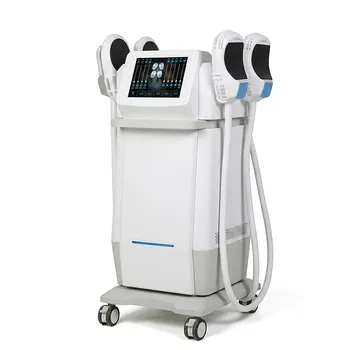
Use lower energy across multiple passes rather than one high-energy pass. For non-surgical RF and ultrasound skin tightening, practitioners can reduce discomfort by distributing the treatment dose over several moderate- or low-fluence passes while monitoring tissue response and patient sensation. The goal is to reach the therapeutic heating threshold gradually, producing controlled dermal remodeling without excessive focal heat.
The central principle is controlled accumulation, not maximum intensity. Multiple lower-energy passes can provide effective thermal stimulation while reducing the pain, burns, and tissue injury associated with a single aggressive pass.
How to Adjust Energy for Greater Comfort
Replace high-intensity passes with staged delivery
A single high-energy pass can create a rapid, intense deep-heating sensation and increase the risk of focal overheating. Using several lower-energy passes spreads heat more evenly and allows the practitioner to assess the tissue response between passes.
The total treatment effect can therefore be achieved progressively rather than by forcing the tissue to tolerate a single high peak of energy.
Maintain a mild, tolerable heat sensation
The desired endpoint is generally mild warmth, not pain. If the patient reports pain, the practitioner should reduce the energy or adjust the treatment immediately rather than asking the patient to endure it.
Patient feedback is an important safety signal, particularly because skin resistance, hydration, tissue thickness, and anatomy vary between individuals.
Establish settings with a test area
An initial test treatment helps identify how the individual patient responds to the device and treatment area. This is especially important because electrical resistance and water content can alter how RF energy is absorbed.
Practitioners should use the device manufacturer’s parameters and clinical protocol as the starting point, then individualize treatment conservatively based on tissue response.
Use consistent probe movement and coverage
Energy should be distributed evenly across the treatment area rather than concentrated in one location. Controlled movement, appropriate contact, and avoidance of repeated stationary heating help limit hot spots.
The same principle applies to ultrasound: practitioners should avoid excessive energy concentration in superficial or unintended tissue planes and follow the device-specific spacing and coupling requirements.
Why Lower Energy Can Still Stimulate Tightening
Controlled heating supports collagen remodeling
RF and ultrasound treatments are intended to create controlled thermal effects in the dermis or targeted tissue plane. RF can produce immediate collagen contraction and stimulate longer-term neocollagenesis through thermal micro-injury.
The objective is a therapeutic temperature range that promotes remodeling—not the highest temperature the patient can tolerate.
Multiple passes accumulate thermal exposure
Several moderate passes can raise tissue temperature progressively while limiting the discomfort associated with abrupt heating. This approach may preserve collagen-stimulating efficacy while improving the patient experience.
Increasing treatment passes has been associated with greater collagen structural change, but the benefit depends on appropriate energy control and tissue monitoring.
Comfort and efficacy are not opposites
More energy does not automatically mean better tightening. Excessive energy increases the likelihood of pain, irreversible collagen damage, burns, edema, and undesirable contraction.
A controlled, repeatable treatment delivered at tolerable intensity is generally more defensible than an aggressive session designed to maximize immediate heat.
Personalize Treatment to the Patient and Treatment Area
Account for skin quality and tissue thickness
Thin, crepey, or heavily sun-damaged skin may tolerate aggressive heating poorly and may be more vulnerable to striations or irregular contraction. These patients require particularly conservative treatment planning.
Younger patients or those with dense, fibrous fat may also require lower energy input than patients with compromised fibroseptal support. The correct setting depends on anatomy and tissue response, not age alone.
Confirm that the patient is an appropriate candidate
Non-surgical RF and ultrasound tightening are best suited to patients with mild-to-moderate laxity and realistic expectations. Severe ptosis, advanced solar elastosis, or substantial structural sagging may respond only modestly.
For areas such as the neck, assessment should include skin elasticity, fat location, platysma banding, the cervicomental angle, and relevant underlying structures before selecting an energy-based approach.
Consider the treatment goal and anatomy
The treatment plan should distinguish between improving skin laxity and treating excess fat or major tissue descent. Energy-based tightening cannot reliably replace surgical excision when pendulous or redundant skin is substantial.
For example, marked upper-arm pendulosity may require surgical contouring, with RF used as an adjunct rather than as the sole treatment.
Use appropriate access and treatment patterns
Where a procedure involves probes or access points, distributing entry sites can reduce focal tissue erosion and scarring compared with repeatedly using one heavily utilized site. This is relevant to techniques involving multiple small access points.
The practitioner should also avoid excessive heating of the fibroseptal network, which can cause striations, focal depressions, or worsening of thin skin.
Recognize the Difference Between Normal Heat and Excessive Heating
Expected sensations and reactions
Patients may experience warmth or mild discomfort during treatment, followed by temporary redness, irritation, or localized edema. These effects may last from minutes to several days, depending on the device and treatment intensity.
Patients should receive clear pre-treatment counseling so they understand that results develop gradually and usually require more than one session.
Warning signs requiring immediate adjustment
Pain, sharply focal heat, an unexpected burning sensation, or visible skin changes are not endpoints to push through. The practitioner should stop or reduce treatment, reassess the area, and follow the device’s safety protocol.
A superficial burn, unusual blistering, persistent discoloration, or worsening contour irregularity requires appropriate clinical evaluation.
Avoid treating to pain
Pain should not be used as evidence that sufficient collagen remodeling is occurring. It is more appropriately treated as a warning that energy delivery may be too intense, too concentrated, or poorly matched to the patient’s tissue.
Understanding the Trade-offs
Lower settings may require more passes or sessions
Reducing energy per pass can increase treatment time and may require additional passes to achieve the intended thermal effect. Full treatment courses commonly involve multiple sessions, often spaced approximately two weeks apart, with remodeling continuing over several months.
This is a practical trade-off: greater comfort and safety may require more gradual treatment rather than a single aggressive intervention.
Excessive passes can also create risk
“More passes” does not mean unlimited passes. Repeated heating of the same area without adequate assessment can still produce excessive cumulative thermal exposure.
Passes should be limited by the device protocol, treatment endpoint, tissue response, and patient comfort.
Results are gradual and non-permanent
Non-ablative RF and ultrasound treatments stimulate gradual remodeling over approximately three to six months. They do not produce the same correction as a surgical facelift or excision procedure.
Patients should understand that maintenance treatments may be needed and that energy-based tightening will not correct every cause of laxity or surface pigmentation.
Device settings are not interchangeable
RF and ultrasound systems differ in frequency, energy delivery, targeting depth, contact requirements, and monitoring features. A fluence or power setting from one device cannot be transferred directly to another.
Practitioners should follow the specific device instructions, training requirements, and applicable clinical standards rather than relying on generic numerical settings.
How to Apply This to Your Project
Use a conservative, feedback-driven protocol rather than treating maximum energy as the default.
- If your primary focus is patient comfort: Use lower-energy, evenly distributed passes, maintain only mild warmth, and reduce intensity immediately if the patient reports pain.
- If your primary focus is treatment efficacy: Accumulate the therapeutic thermal exposure through controlled multiple passes and an appropriate series of sessions rather than one high-energy pass.
- If your primary focus is safety: Perform a test area, monitor tissue and patient response continuously, follow the device-specific protocol, and stop when warning signs appear.
- If your primary focus is predictable outcomes: Screen anatomy, skin quality, laxity, contraindications, and expectations before selecting RF or ultrasound treatment parameters.
The safest effective treatment is a controlled thermal protocol tailored to the patient, device, and tissue response—not the most aggressive setting.
Summary Table:
| Parameter | Traditional High-Energy | Modified Low-Energy Multi-Pass |
|---|---|---|
| Energy per pass | High | Low to moderate |
| Number of passes | One to few | Multiple |
| Patient sensation | Pain | Mild warmth |
| Risk of burns/overheating | High | Low |
| Collagen stimulation | Immediate strong | Progressive, controlled |
| Treatment time | Shorter | Longer |
| Patient comfort | Low | High |
| Safety | Lower | Higher |
| Results | May be unpredictable | More predictable and consistent |
Elevate your practice with BELIS's advanced RF and ultrasound systems. Our devices offer precise energy control to enhance patient comfort and safety, ensuring optimal outcomes for your clinic. Whether you're a distributor looking for high-margin solutions or a clinic seeking superior technology, our OEM/ODM support and certifications guarantee reliability. Contact us today to learn more and schedule a consultation. Get in touch with our experts now!
Related Products
- Ultrasonic Cavitation Radiofrecuency Machine for Body Slimming
- 4D 12D HIFU Machine Device for Skin Tightening
- Ultrasonic Cavitation Machine Lipo Laser Device
- 4D 12D HIFU Machine Device for Skin Tightening and Lifting
- 7D 12D 4D HIFU Machine Device
People Also Ask
- What are the pros and cons of the ultrasonic cavitation slimming treatment? A Guide to Painless Body Contouring
- Does an ultrasonic cavitation machine also tighten the skin? Achieve Total Body Contouring with RF Synergy
- How does radiofrequency technology in slimming machines promote fat reduction? The Science of Non-Invasive Sculpting
- How should one prepare for an ultrasonic cavitation appointment? 5 Essential Tips for Maximum Fat Loss Results
- What is an ultrasonic cavitation machine? Sculpt Your Body with Advanced Non-Invasive Fat Reduction