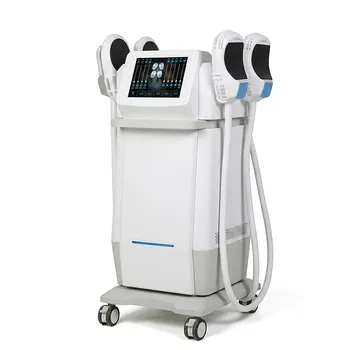
Pre-procedure screening should assess both clinical safety and psychological readiness. Aesthetic clinics can use standardized questionnaires, medical-history reviews, physical examinations, skin assessments, and expectation-setting consultations to determine whether a patient is an appropriate candidate for laser, RF, HIFU, microneedling, or non-invasive body-contouring treatments. This process helps distinguish realistic cosmetic goals from untreated medical or psychological concerns that may make treatment inappropriate or unsafe.
The best candidate is not simply someone who requests a procedure. It is a patient whose medical condition, treatment area, psychological readiness, and expectations are compatible with the device and the likely outcome.
Build a Structured Candidate-Screening Process
Start with a detailed medical history
The clinic should document current and previous illnesses, medications, allergies, prior procedures, adverse reactions, and relevant family or personal history. Particular attention should be given to uncontrolled hypertension, cardiovascular disease, coagulation or tissue-healing disorders, active infections, autoimmune disease, and drug interactions.
The history should also identify factors that may affect treatment response, such as a tendency toward abnormal scarring, post-inflammatory hyperpigmentation, viral reactivation, or delayed inflammatory reactions.
Classify overall medical risk
A physical-status framework such as the American Society of Anesthesiologists classification can help organize risk. Patients classified as ASA I or stable ASA II may often be suitable for appropriately selected office-based procedures, while patients with ASA III or higher conditions generally require additional medical evaluation or specialist consultation.
This classification is not a substitute for clinical judgment, and it should not be used alone to approve or reject treatment. A focused history and physical examination are usually more useful than routine laboratory testing for identifying practical risks in aesthetic procedures.
Examine the treatment area
The practitioner should assess skin integrity, elasticity, pigmentation, scars, striae, cellulite, lesions, hernias, inflammation, and other local findings before selecting a device or treatment setting.
Any suspicious, undiagnosed, or changing lesion should be medically evaluated before cosmetic treatment. Treating an incorrect diagnosis—such as assuming a malignant lesion is benign—can cause serious harm and delay appropriate care.
Assess Psychological Readiness and Treatment Motivation
Use standardized BDD screening tools
Body dysmorphic disorder screening questionnaires can assess:
- Time spent worrying about a perceived appearance flaw
- Emotional distress associated with that concern
- Social or occupational impairment
- Repetitive checking, comparison, concealment, or reassurance-seeking behaviors
- Expectations that a procedure will solve broader personal or emotional problems
These tools support—not replace—a professional assessment. A positive screen should prompt further evaluation and, where appropriate, referral to a qualified mental-health professional before proceeding.
Recognize why BDD matters
Patients with untreated BDD may focus intensely on minor or imperceptible defects and may remain dissatisfied despite technically successful treatment. They can also experience significant distress or develop conflict with practitioners after an intervention.
Screening is therefore a patient-safety measure, not a judgment about the patient’s appearance or motivation. It also reduces avoidable medico-legal risk and protects the therapeutic relationship.
Screen for broader psychological concerns
Clinics should remain alert to signs of clinical depression, severe anxiety, coercion by another person, impulsive treatment-seeking, or unrealistic beliefs about the outcome.
Psychological readiness means the patient can understand the procedure, weigh benefits and risks, tolerate an imperfect result, and make a voluntary decision without expecting the device to transform their identity or life circumstances.
Match the Patient to the Appropriate Treatment
Define the actual treatment objective
The consultation should identify whether the patient seeks enhancement, rejuvenation, restoration, contour improvement, pigment correction, scar improvement, or another defined goal.
Age-based categories may help structure the discussion, but they should not determine eligibility on their own. A patient’s skin condition, anatomy, medical status, goals, and risk profile are more important than age alone.
Select the device according to the indication
Different technologies address different concerns. Laser and light-based devices, radiofrequency, HIFU, microneedling RF, and non-invasive body-contouring systems should be selected only after confirming that the indication, tissue characteristics, and expected treatment response are appropriate.
The clinic should avoid choosing equipment based solely on the patient’s request or on the availability of a particular device. The clinical problem should determine the modality.
Evaluate whether the expected benefit is meaningful
Candidates should have a realistic expectation of subtle or moderate improvement when that is the likely result. Non-invasive treatments may improve contour, texture, laxity, or pigmentation, but they may not produce surgical-level correction or eliminate every perceived imperfection.
A patient who requires a different intervention should be referred or offered an alternative rather than treated with a device unlikely to meet the stated goal.
Establish Expectations Before Consent
Explain benefits, limitations, and recovery
The consultation should describe the anticipated number of sessions, likely degree of improvement, need for maintenance, limitations of the technology, and the possibility of incomplete or uneven results.
Even procedures with minimal downtime can cause temporary pain, erythema, swelling, bruising, tenderness, or pigmentary changes. Patients should understand the expected recovery period before signing consent.
Document a reliable baseline
Standardized photographs taken before treatment allow the clinic and patient to compare outcomes objectively. Images should use consistent lighting, positioning, distance, and patient expression.
Baseline documentation is particularly important when the expected result is gradual or modest. It helps prevent memory-based comparisons from distorting the perceived outcome.
Confirm informed consent
Consent should be a discussion, not merely a signed form. The patient should have an opportunity to ask questions and demonstrate an understanding of the proposed treatment, alternatives, material risks, expected results, and post-treatment requirements.
The practitioner should document why the selected treatment is appropriate and why any relevant alternatives were not chosen.
Use Specific Safety Checks for Energy-Based Devices
Identify pigment and inflammation risks
Before laser or light-based treatment, assess skin type, tanning history, prior pigmentary responses, inflammatory skin conditions, and the risk of post-inflammatory hyperpigmentation.
The practitioner should also consider whether recent sun exposure, active dermatitis, infection, or impaired healing makes postponement safer.
Assess systemic and immune-related risks
Active autoimmune or atopic conditions may increase the risk of delayed hypersensitivity or chronic inflammatory reactions, particularly with invasive or injectable procedures. A comprehensive history can identify patients who require medical evaluation or a less invasive alternative.
The presence of an underlying condition does not automatically exclude every aesthetic treatment. It does mean that the indication, modality, timing, and level of medical oversight should be reconsidered.
Check for treatment-area contraindications
For body-contouring procedures, assess skin quality, localized pain, hernias, scars, reduced sensation, and the character of the tissue being treated. The clinic should confirm that the device is intended for the patient’s specific anatomy and treatment objective.
For facial procedures, evaluate active lesions, suspicious growths, inflammation, and structural issues that may not respond to energy-based treatment.
Understanding the Trade-offs
Screening takes time but prevents poor treatment decisions
A rigorous assessment may reduce the number of immediate treatments a clinic performs. However, it also reduces inappropriate procedures, avoidable complications, dissatisfaction, and the cost of managing poor outcomes.
The purpose of screening is not to make access unnecessarily difficult. It is to ensure that treatment is clinically justified and that the patient is likely to benefit.
Questionnaires are useful but not definitive
A screening questionnaire identifies warning signs; it does not diagnose BDD, depression, autoimmune disease, or other conditions. Overreliance on a score can create false reassurance or inappropriate exclusion.
Results should be interpreted alongside the consultation, medical history, physical examination, and the practitioner’s professional judgment.
More testing is not always better
Routine laboratory testing does not automatically improve screening for every office-based aesthetic procedure. Tests should be ordered when the medical history or examination identifies a specific clinical reason.
The stronger approach is targeted evaluation: detailed history, focused examination, appropriate skin assessment, and referral when a risk cannot be safely resolved in the clinic.
“Non-invasive” does not mean risk-free
Energy-based treatments can still cause burns, pigmentary changes, pain, swelling, bruising, nerve symptoms, or unsatisfactory results. The label non-invasive should never replace proper contraindication screening and informed consent.
Clinics should also verify practitioner training, device-specific competence, maintenance standards, and adherence to the manufacturer’s intended use.
How to Apply This to Your Clinic
A practical screening pathway should combine standardized documentation with individualized clinical judgment.
- If your primary focus is patient safety: Use a structured medical history, focused physical examination, contraindication checklist, and appropriate referral process before selecting a device.
- If your primary focus is psychological suitability: Use validated BDD and psychological-readiness screening tools, then refer patients with significant concerns for further assessment.
- If your primary focus is treatment effectiveness: Match the device to a clearly defined indication, skin or tissue characteristics, and a realistic level of expected improvement.
- If your primary focus is patient satisfaction: Discuss limitations, recovery, maintenance, alternatives, and likely outcomes before obtaining documented informed consent.
- If your primary focus is clinical governance: Standardize photographs, screening forms, consent records, treatment parameters, and follow-up documentation across the clinic.
A well-designed screening process helps clinics treat the right patient, with the right device, for the right clinical objective.
Summary Table:
| Screening Step | Key Considerations | Purpose |
|---|---|---|
| Medical History | Medications, illnesses, allergies, contraindications | Identify medical risks |
| Physical Exam | Skin integrity, lesions, tissue quality | Assess local suitability |
| Psychological Screening | BDD, depression, unrealistic expectations | Ensure readiness and safety |
| Treatment Matching | Device selection, realistic goals | Achieve effective outcomes |
| Informed Consent | Risks, benefits, alternatives, baseline photos | Secure satisfaction and compliance |
Elevate your clinic's safety standards and patient satisfaction with BELIS's advanced aesthetic devices. Our portfolio includes laser, RF, HIFU, and body-contouring systems, designed for clinics like yours. Contact us today to schedule a consultation and discover how we can support your practice's excellence. Get in touch
Related Products
- Cryolipolysis Fat Freezing Machine and Ultrasonic Cavitation Device
- Tri Laser Diode Hair Removal Machine Professional Beauty Equipment
- 22D HIFU Machine Device Facial Machine
- Hydrofacial Machine Facial Clean Face and Skin Care Machine
- Hydrofacial Machine with Facial Skin Analyzer and Skin Tester
People Also Ask
- What are the main benefits of using a fat freezing machine? Achieve Permanent, Non-Surgical Body Sculpting
- What anatomical factors determine whether a patient with submental fullness should be treated with cryolipolysis fat-reduction devices versus energy-based skin tightening modalities?
- What are the potential side effects and risks associated with fat freezing? Safety Profile & Rare Risks Explained
- What are the technical advantages of using lower temperatures and shorter durations in cryolipolysis fat reduction?
- How is a cryolipolysis procedure performed? A Step-by-Step Guide to Non-Invasive Fat Freezing