Introduction
Aging skin demands solutions—but how do you choose between non-invasive HIFU (High-Intensity Focused Ultrasound) and surgical facelifts? This guide cuts through the noise with clinically backed comparisons on safety, efficacy, and cost. Whether you’re seeking subtle collagen boosts or dramatic transformation, we’ll help you align your goals with the right procedure.
HIFU vs. Surgery: Key Differences for Anti-Aging Treatments
Non-Invasive Advantages: No Downtime and Natural Collagen Activation
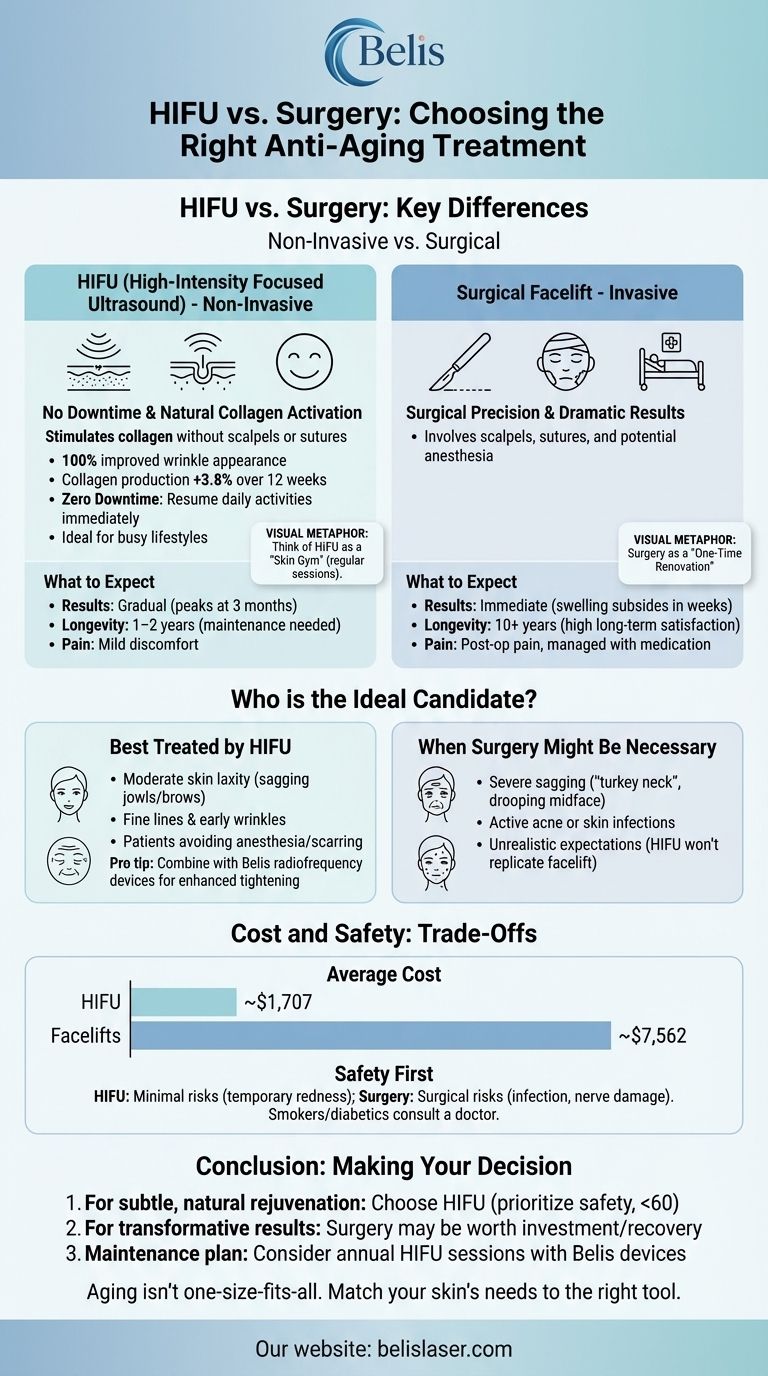
HIFU’s standout feature is its ability to stimulate collagen without scalpels or sutures. Clinical studies show:
- 100% of participants saw improved wrinkle appearance post-HIFU.
- Collagen production increased by 3.8% over 12 weeks, plumping skin gradually.
- Zero downtime: Resume daily activities immediately—ideal for busy lifestyles.
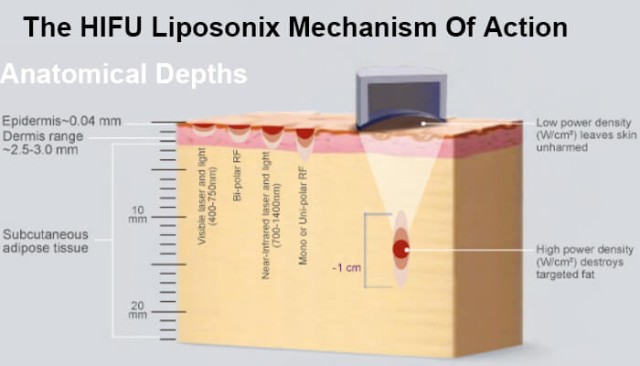
Ever wondered how sound waves tighten skin? HIFU targets deeper layers (the SMAS, also addressed in facelifts) with ultrasound energy, triggering natural healing.
Surgical Precision vs. Gradual HIFU Results: What to Expect
| Factor | HIFU | Surgical Facelift |
|---|---|---|
| Results Timeline | Gradual (peaks at 3 months) | Immediate (swelling subsides in weeks) |
| Longevity | 1–2 years (maintenance needed) | 10+ years (68.5% satisfaction after 12.6 years) |
| Pain | Mild discomfort | Post-op pain, managed with medication |
Visual metaphor: Think of HIFU as a "skin gym" (regular sessions for maintenance) versus surgery as a "one-time renovation."
Who is the Ideal Candidate for HIFU?
Skin Conditions Best Treated by HIFU
HIFU excels for:
- Moderate skin laxity (e.g., sagging jowls or brows).
- Fine lines and early wrinkles (boosted by collagen renewal).
- Patients avoiding anesthesia risks or scarring.
Case in point: A 2017 study noted 94% improvement in skin tightness at 3 months post-HIFU.
Limitations and When Surgery Might Be Necessary
Avoid HIFU if you have:
- Severe sagging (e.g., "turkey neck" or drooping midface).
- Active acne or skin infections (risk of irritation).
- Unrealistic expectations (HIFU won’t replicate a facelift’s dramatic lift).
Pro tip: Combine HIFU with Belis radiofrequency devices for enhanced tightening in beauty clinics.
Cost and Safety: Breaking Down the Trade-Offs
HIFU’s Budget-Friendly Edge
- Average cost: $1,707 per session (vs. $7,562 for facelifts).
- No hidden fees: Unlike surgery, no hospital stays or anesthesia costs.
Safety First
HIFU’s risks are minimal (temporary redness vs. surgical risks like infection or nerve damage). However, smokers or diabetics should consult a doctor—reduced healing can affect results.
Conclusion: Making Your Decision
- For subtle, natural rejuvenation: Try HIFU—especially if you’re under 60 and prioritize safety.
- For transformative results: Surgery may be worth the investment and recovery.
- Maintenance plan: Consider annual HIFU sessions with Belis devices to prolong effects.
Final thought: Aging isn’t one-size-fits-all. Match your skin’s needs to the right tool—whether it’s HIFU’s gentle precision or a surgeon’s scalpel.
Visual Guide
Related Products
- 4D 12D HIFU Machine Device for Skin Tightening and Lifting
- 9D 7D HIFU Vaginal RF Lifting Treatment
- 7D 12D 4D HIFU Machine Device
- 12D HIFU Machine Device for Facial HIFU Treatment
- 4D 12D HIFU Machine Device for Skin Tightening
Related Articles
- How HIFU Outperforms Traditional Anti-Aging Treatments: A Science-Backed Guide
- How HIFU Triggers Natural Collagen Production for Younger-Looking Skin
- HIFU Treatment Explained: The Science Behind Superior Skin Tightening
- How HIFU Delivers Safer, Smarter Anti-Aging Results: Science-Backed Insights
- The Collagen Contract: Why Patience, Not Frequency, Is the Key to HIFU Mastery

















