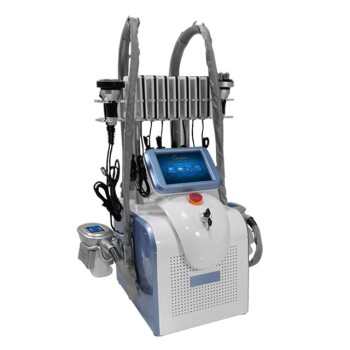
Dispensing laser coupling gel into single-use containers is a foundational step in modern infection control. This process ensures that the bulk supply remains isolated from the treatment environment, strictly enforcing a one-patient-per-sample protocol. By separating the specific amount needed for a procedure, you eliminate the risk of cross-contamination that occurs when a large container is exposed to patients or clinical surfaces.
Core Takeaway: Direct contact between a bulk supply and the treatment area creates a vector for pathogen transmission. Single-use dispensing acts as a physical firewall, preserving the sterility of your inventory and protecting patients from the risks inherent in multi-use containers.
The Mechanics of Contamination
The Vulnerability of Bulk Containers
When working with large bottles or tubs of coupling gel, the opening of the container is a critical vulnerability. If this opening touches a patient's skin, a used instrument, or a contaminated surface, the entire bulk supply is compromised.
Breaking the Chain of Transmission
Once a bulk container is contaminated, every subsequent patient treated with gel from that source is at risk. Dispensing gel into a separate, disposable vessel before the procedure begins removes the bulk container from the "danger zone," ensuring it never physically interacts with the patient.
Operational Standards and Integrity
The "One-Patient-Per-Sample" Protocol
This approach creates a clear audit trail for hygiene. The gel in the single-use container belongs to one patient only. Any excess remaining after the procedure is discarded, ensuring that biological material or environmental contaminants are never reintroduced to the clean supply.
Maintaining Sterile Operation Standards
Precise management of consumables is not just a preference; it is a critical component of professional sterile standards. Adhering to this protocol demonstrates a commitment to clinical safety that distinguishes professional medical aesthetics from lower-standard operations.
Common Pitfalls in Gel Management
The Risk of "Double-Dipping"
A common error in clinics is returning to the bulk container to add more gel mid-procedure using gloves that have already touched the patient. This instantly transfers pathogens to the main supply. Pre-dispensing a sufficient amount—or using a clean, separate tool to dispense more—is the only way to avoid this.
Environmental Exposure
Contamination is not limited to direct patient contact. Placing a bulk container on a procedure table can expose the nozzle or rim to airborne particulates or surface bacteria. Single-use containers allow the bulk supply to remain stored safely in a clean zone, far from the active procedure area.
Implementing Best Practices
To ensure the highest levels of safety and professionalism in your clinic, consider the following approach:
- If your primary focus is infection control: Isolate the gel required for the procedure into a disposable cup or tray before the patient enters the room to prevent any pathway for cross-contamination.
- If your primary focus is inventory management: Protect your investment by keeping bulk containers sealed and stored away from the treatment zone, ensuring the product remains sterile for its entire shelf life.
Strict adherence to single-use dispensing is a small logistical adjustment that safeguards your patients and reinforces the clinical integrity of your practice.
Summary Table:
| Aspect | Bulk Container Risks | Single-Use Container Benefits |
|---|---|---|
| Infection Risk | High: Possible cross-contamination between patients | Zero: One-patient-per-sample protocol |
| Product Integrity | Vulnerable: Exposure to pathogens and environment | Protected: Bulk supply remains isolated and sterile |
| Sterile Standards | Difficult to maintain consistently | Complies with professional sterile protocols |
| Waste Management | Risk of reusing contaminated excess gel | Clear disposal of excess after each procedure |
Elevate Your Clinical Safety Standards with BELIS Professional Equipment
At BELIS, we understand that exceptional results depend on both advanced technology and rigorous safety protocols. Our specialized portfolio for premium clinics and salons includes high-performance Diode Hair Removal lasers, CO2 Fractional, Nd:YAG, Pico lasers, and Microneedle RF systems. Whether you are providing body sculpting treatments like EMSlim and Cryolipolysis or advanced facial care with our Hydrafacial and HIFU systems, maintaining a sterile environment is paramount.
Partner with BELIS to access professional-grade medical aesthetic equipment and expert guidance on operational best practices. Contact us today to upgrade your clinic's capabilities and ensure the highest safety for your clients.
References
- Mohamed L. Elsaie, Hesham Nada. Insights into laser safety considerations during<scp>COVID</scp>19 pandemic. DOI: 10.1111/dth.13777
This article is also based on technical information from Belislaser Knowledge Base .
Related Products
- Hydrofacial Machine with Facial Skin Analyzer and Skin Tester
- Clinic Use IPL SHR ND YAG Laser Hair Removal RF Skin Tightening Machine
- Fractional CO2 Laser Machine for Skin Treatment
- IPL SHR+Radio frecuency machine
- Trilaser Diode Hair Removal Machine for Beauty Clinic Use
People Also Ask
- What is a HydroFacial treatment? Discover the Secret to Instant, Radiant Skin with Vortex-Fusion Technology
- What is the first step of a hydro-facial treatment? Master the Art of Professional Cleansing & Exfoliation
- What is a Hydrafacial machine and what are its unique features? Elevate Your Clinic with Vortex-Fusion Tech
- What are the business benefits of a spa or salon owning a Hydrafacial machine? Drive Revenue and Loyalty
- Is a HydraFacial machine worth it? Achieve Instant Glow with No Downtime