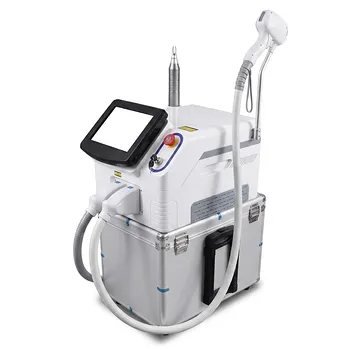
Medical-grade metal eye shields are mandatory because simple eyelid closure offers zero protection against high-energy laser penetration. The skin of the eyelid is extremely thin, allowing laser beams to pass directly through the tissue and strike the eye itself. Metal shields provide absolute optical shielding, creating a physical barrier that guarantees 100% blockage of laser energy before it reaches the eyeball.
The Core Reality While closing your eyes blocks visible light, eyelids are essentially transparent to high-energy therapeutic lasers. Metal shields are not just a precaution; they are the only mechanism capable of preventing the laser from treating the pigment inside the eye as if it were the target, preventing irreversible damage to the iris and retina.
The Physics of Tissue Penetration
The Limit of Eyelid Protection
The human eyelid is one of the thinnest tissues in the body. While it feels like a solid barrier, it lacks the density to stop high-fluence laser energy. Lasers are specifically engineered to penetrate tissue to treat subsurface targets; the eyelid offers little resistance to this process.
Depth of Laser Reach
High-energy beams, particularly from long-wavelength systems like 1064nm or Diode lasers, can penetrate several millimeters into tissue. Because the eyelid sits flush against the globe of the eye, a laser beam passing through the lid immediately enters the ocular cavity. Without a shield, the "closed" eye is fully exposed to the beam's energy.
The Consequence of Exposure
Targeting Melanin-Rich Structures
Lasers are often designed to seek out chromophores like melanin (pigment). The interior of the eye, specifically the iris and ciliary body, is incredibly rich in melanin. If a laser penetrates the eyelid, it will bypass the clear cornea and be absorbed by these internal pigments, causing immediate thermal damage.
Severe Ocular Complications
The absorption of laser energy by internal eye structures can lead to catastrophic results. Primary risks include severe inflammation of the anterior chamber and permanent atrophy of the iris. Furthermore, direct exposure can damage the lens, leading to the formation of cataracts, or travel further back to injure the retina.
Why Metal is Non-Negotiable
Absolute Optical Shielding
Unlike plastic or silicone, which can degrade or allow partial transmission under high heat, medical-grade metal shields provide a complete blackout effect. They reflect and absorb the energy entirely at the surface. This ensures that the cornea, lens, and retina are isolated from radiation, even when treating tattoo ink or lesions located on the very margin of the eyelid.
Understanding the Trade-offs
The "False Security" Trap
A common pitfall is assuming that if the patient does not report pain, the eye is safe. This is dangerous because internal ocular damage can occur silently or be masked by the sensation of the surface treatment. Relying on the patient to "squeeze their eyes shut" provides a psychological sense of safety but offers no physical protection against high-penetration wavelengths.
Application Complexity
Inserting internal metal shields requires skill and topical anesthesia, which adds time to the procedure. However, avoiding this step to save time creates an unacceptable risk profile. The inconvenience of insertion is negligible compared to the risk of blinding ocular injury.
Ensuring Clinical Safety
To maintain the highest standard of care, your approach to orbital safety must be binary: if the laser is near the orbit, the shield must be in.
- If your primary focus is treatment efficacy: Use metal shields to allow you to treat all the way to the lash line without fear of damaging the globe.
- If your primary focus is risk mitigation: Recognize that metal shields are the only tool that prevents the laser from mistaking the iris for a targetable pigment.
Safety in laser procedures is not about hoping the barrier holds; it is about using a barrier that cannot fail.
Summary Table:
| Feature | Eyelid Closure | Metal Eye Shields |
|---|---|---|
| Energy Blockage | 0% - Laser penetrates thin tissue | 100% - Absolute optical shielding |
| Material Integrity | Vulnerable biological tissue | Durable medical-grade metal |
| Internal Eye Protection | Risk of iris & retinal damage | Full isolation of the ocular globe |
| Treatment Range | Restricted (safe distance required) | Full access to eyelid margin |
| Safety Status | High Risk / Ineffective | Clinical Gold Standard |
Elevate Your Clinical Safety Standards with BELIS
At BELIS, we understand that performing high-precision procedures requires both advanced technology and uncompromising safety. As specialists in professional-grade medical aesthetic equipment for clinics and premium salons, we provide the tools you need to deliver superior results safely.
Whether you are utilizing our Diode Hair Removal systems, CO2 Fractional lasers, or Nd:YAG and Pico technologies, ensuring patient safety with proper ocular protection is paramount. Our portfolio also features high-performance HIFU, Microneedle RF, and body sculpting solutions like EMSlim and Cryolipolysis, designed to grow your practice with reliability and excellence.
Ready to upgrade your clinic with industry-leading technology? Contact us today to explore our full range of professional aesthetic systems!
References
- Yunus Karabela, Mustafa Eliaçık. Anterior uveitis following eyebrow epilation with alexandrite laser. DOI: 10.2147/imcrj.s89965
This article is also based on technical information from Belislaser Knowledge Base .
Related Products
- Hydrofacial Machine with Facial Skin Analyzer and Skin Tester
- Clinic Use IPL SHR ND YAG Laser Hair Removal RF Skin Tightening Machine
- Diode Laser SHR Trilaser Hair Removal Machine for Clinic Use
- Trilaser Diode Hair Removal Machine for Beauty Clinic Use
- Professional IPL SHR Hair Removal Machine for Laser and IPL Hair Removal
People Also Ask
- What is a HydroFacial treatment? Discover the Secret to Instant, Radiant Skin with Vortex-Fusion Technology
- What is the first step of a hydro-facial treatment? Master the Art of Professional Cleansing & Exfoliation
- What are the business benefits of a spa or salon owning a Hydrafacial machine? Drive Revenue and Loyalty
- What is a Hydrafacial machine and what are its unique features? Elevate Your Clinic with Vortex-Fusion Tech
- Is a HydraFacial machine worth it? Achieve Instant Glow with No Downtime