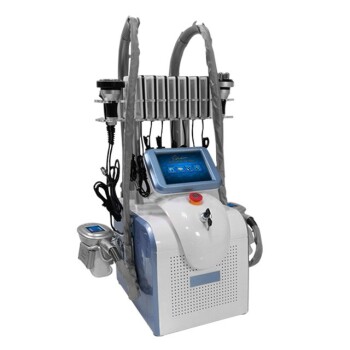
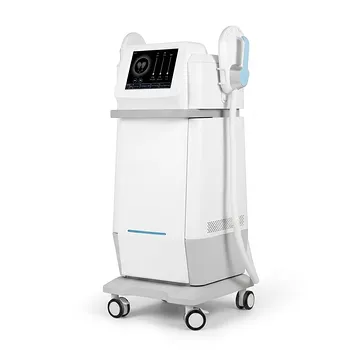
Combining ultrasound fat reduction with RF skin tightening is beneficial because the two technologies address different parts of the body-contouring problem. Ultrasound targets localized subcutaneous fat through mechanical disruption or emulsification, while RF delivers controlled thermal energy to the dermis and fibrous supporting tissues. Used in a coordinated protocol, they can reduce fat volume while encouraging collagen contraction and longer-term skin remodeling, producing a smoother and more cohesive contour than fat reduction alone.
Ultrasound helps reduce the underlying fat layer; RF helps the overlying skin adapt to that reduction. The combination addresses both contour volume and skin laxity, which are closely related but clinically distinct concerns.
Why Fat Reduction Alone May Be Incomplete
Fat volume and skin firmness are different problems
Ultrasound body-sculpting systems are designed primarily to target localized adipose tissue. They can reduce the apparent volume of fat deposits, but they do not reliably contract or remodel loose overlying skin.
Skin laxity depends largely on the condition of the dermal matrix, collagen fibers, and fibrous septa. Reducing the layer beneath the skin without addressing these structures may leave the final contour less firm than intended.
Post-reduction laxity can affect the visual result
When a fat deposit becomes smaller, the skin must retract around the new underlying shape. The degree of retraction varies with factors such as skin elasticity, treatment area, age, and the extent of volume reduction.
Adding a skin-tightening modality helps the protocol account for this second stage of contour correction rather than treating fat volume in isolation.
How the Two Technologies Complement Each Other
Ultrasound targets localized fat deposits
Ultrasound uses mechanical vibrations and pressure effects to disrupt targeted fat deposits or assist their emulsification, depending on the device and treatment protocol. This provides the volume-reduction component of the procedure.
Common treatment zones may include the abdomen, hips, thighs, arms, and torso, although suitability depends on the device, the patient, and the practitioner’s assessment.
RF heats the dermal and supporting tissues
RF equipment uses a high-frequency alternating current to generate controlled thermal energy in targeted tissue layers. This heating can produce immediate collagen contraction and stimulate neocollagenesis, the formation of new collagen over time.
RF may also affect the fibrous septa and deeper soft tissues that contribute to skin support and surface texture. The intended result is firmer, more elastic-looking skin as tissue remodeling develops.
The sequence supports a more complete contour
In many protocols, ultrasound lipolysis is performed before RF tightening. The ultrasound addresses the unwanted volume, while RF then focuses on tissue contraction and skin adaptation.
The precise sequence, energy level, treatment interval, and treatment area should follow the equipment manufacturer’s instructions and a qualified practitioner’s clinical judgment.
What Clinical Outcomes the Combination May Improve
More balanced body contouring
A combined protocol is designed to improve both the size of a localized fat deposit and the firmness of the tissue covering it. This can create a more integrated visual result than reducing fat while leaving laxity unaddressed.
The goal is not simply a smaller area. It is a smoother transition between treated and untreated tissue.
Skin texture and elasticity
RF-induced collagen remodeling may improve the appearance of loose or less elastic skin. The effect develops progressively because new collagen formation is a biological process rather than an instantaneous change.
This can be particularly relevant in areas where fat redundancy and skin laxity occur together, such as the torso, chest, abdomen, and upper arms.
Appearance of cellulite
Cellulite involves more than excess fat. It also reflects the interaction between fibrous connective bands, skin structure, and local tissue distribution.
Because RF can heat and remodel dermal and fibrous tissues, combining it with ultrasound may help improve the visible texture associated with cellulite in areas such as the buttocks and thighs. Results vary, and cellulite should not be presented as permanently eliminated.
Treatment efficiency
Supplementary clinical findings describe greater reductions in waist circumference and subcutaneous fat area with combined treatment than with either technology alone in certain body-contouring protocols.
These findings support the rationale for combination therapy, but outcomes depend on the specific devices, treatment parameters, patient selection, and study design. They should not be generalized to every ultrasound and RF system.
Understanding the Trade-offs
The combination does not replace surgery
Ultrasound and RF are generally used for localized contour improvement, not major weight loss or the removal of substantial quantities of excess skin. Patients with significant skin redundancy may require a surgical consultation because energy-based treatment may not provide sufficient tissue removal.
Accurate patient selection is therefore as important as the technology itself.
Results are gradual and variable
Some RF effects, such as initial collagen contraction, may appear during or shortly after treatment. Longer-term neocollagenesis and remodeling develop over subsequent weeks or months.
The final outcome can be influenced by skin quality, the amount of fat present, treatment consistency, lifestyle factors, and the patient’s individual healing response.
“Non-invasive” does not mean risk-free
These procedures generally avoid incisions and anesthesia, and many patients can return to normal activities quickly. However, energy-based treatments can still cause discomfort, temporary redness, swelling, burns, or other adverse effects if improperly selected or administered.
Professional assessment, calibrated equipment, appropriate tissue monitoring, and adherence to contraindications remain essential.
Tissue heating requires careful control
RF must deliver enough thermal energy to affect the intended tissue without causing excessive heating of the skin or deeper structures. Treatment settings should be based on the device design, tissue characteristics, applicator, and treatment zone.
Practitioners should avoid assuming that higher energy automatically produces better results.
Claims about “fat metabolism” need context
RF may support local circulation and tissue remodeling, but these effects should not be confused with guaranteed systemic fat loss. The clinical objective is localized aesthetic contouring, not a substitute for nutrition, exercise, or medical weight-management care.
Making the Right Choice for Your Goal
A sound protocol begins with identifying whether the dominant concern is fat volume, skin laxity, surface texture, or a combination of these factors.
- If your primary focus is localized fat reduction: Use ultrasound-based treatment only when the patient has suitable, localized adipose tissue and understands that the procedure is not a weight-loss treatment.
- If your primary focus is loose or lax skin: Prioritize RF-based tissue tightening, while setting realistic expectations about gradual collagen remodeling and the limits of non-surgical treatment.
- If your primary focus is overall contour quality: Combine ultrasound and RF in a coordinated protocol so fat volume and overlying skin firmness are addressed together.
- If your primary focus is cellulite appearance: Consider RF as a tissue-remodeling component, while explaining that cellulite improvement is variable and may require a broader treatment plan.
- If your primary focus is safety and convenience: Choose a qualified provider who uses validated equipment, appropriate treatment parameters, and clear screening procedures rather than relying on the label “non-invasive” alone.
Combining ultrasound fat reduction with RF skin tightening is most valuable when the treatment plan is designed around the full contour problem: reduce excess volume, support tissue retraction, and set realistic expectations for remodeling over time.
Summary Table:
| Benefit | How Ultrasound Helps | How RF Helps |
|---|---|---|
| Volume Reduction | Disrupts and reduces localized fat deposits | — |
| Skin Tightening | — | Heats dermis to contract collagen and stimulate new collagen |
| Cellulite Improvement | Reduces fat bulges | Remodels fibrous bands and skin texture |
| Balanced Contour | Targets deep fat | Adapts skin to new contours |
| Clinical Efficiency | Greater waist circumference reduction when combined | Complementary action for overall outcome |
Elevate your body contouring services with BELIS's advanced ultrasound and RF devices. Our professional-grade equipment empowers clinics and premium salons to deliver comprehensive, non-invasive fat reduction and skin tightening. Partner with us for reliable technology, OEM/ODM support, and full certification. Contact us today to discuss how BELIS can enhance your practice and patient satisfaction.
Related Products
- Cryolipolysis Fat Freezing Machine Ultrasonic Cavitation Fat Reducing Device
- 4D 12D HIFU Machine Device for Skin Tightening
- Ultrasonic Cavitation Radiofrecuency Machine for Body Slimming
- Cryolipolysis Fat Freezing Machine and Ultrasonic Cavitation Device
- Ultrasonic Cavitation Machine Lipo Laser Device
People Also Ask
- What are the main benefits of using a fat freezing machine? Achieve Permanent, Non-Surgical Body Sculpting
- Do fat freezing machines really work? Achieve Non-Invasive Body Contouring
- What are the potential side effects and risks associated with fat freezing? Safety Profile & Rare Risks Explained
- What is the treatment principle of cryolipolysis fat freezing? Science-Backed Fat Reduction and Body Contouring
- What are the technical advantages of using lower temperatures and shorter durations in cryolipolysis fat reduction?