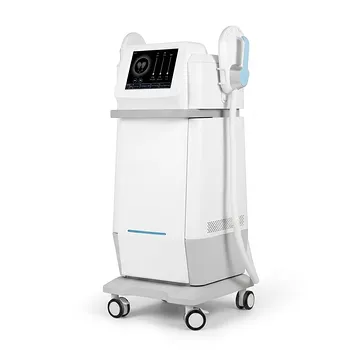
Versatile, non-invasive aesthetic devices can help clinics expand their service menu without exceeding professional boundaries—but only when each treatment is matched to local licensing, supervision, delegation, and device-use requirements. Platforms such as EMS body sculpting, cryolipolysis, superficial hydration systems, exfoliators, and targeted LED solutions can create repeatable aesthetic services that are generally less invasive than surgical or ablative procedures. Their use still requires documented training, appropriate clinical oversight, and verification that the specific operator is legally permitted to perform the treatment.
The central benefit is operational flexibility, not automatic regulatory exemption. Non-invasive devices can support new services, preparation treatments, and maintenance programs while allowing clinics to assign procedures according to staff competence and regional scope-of-practice rules.
How Non-Invasive Devices Expand a Clinic’s Capabilities
They add services without requiring surgery
Body sculpting systems, including EMS-based platforms and cryolipolysis equipment, allow clinics to offer non-surgical body-contouring services. These treatments can complement, rather than replace, procedures that address deeper anatomical or pathological concerns.
Superficial facial hydration systems, exfoliators, and LED skin-care devices similarly broaden the clinic’s options for skin maintenance and enhancement.
They support repeatable treatment pathways
Many device-based treatments follow standardized protocols involving treatment areas, duration, energy settings, contraindication screening, and follow-up. This repeatability can make it easier to develop consistent workflows and quality controls.
However, repeatability does not remove the need for professional judgment. Patient selection, risk assessment, informed consent, and escalation procedures remain essential.
They create preparation and maintenance services
Non-invasive devices can serve as preparation or maintenance therapies around more intensive medical aesthetic procedures. Surface hydration, exfoliation, and LED treatments may be used to support the appearance and condition of the skin before or after other services, where clinically appropriate.
This creates a broader care pathway rather than a collection of disconnected treatments. It can also give patients practical options between higher-intensity appointments.
How Scope-of-Practice Compliance Shapes Device Use
The device does not determine legality by itself
A product marketed as “non-invasive” or “professional” is not automatically within every staff member’s legal scope. Regional rules may distinguish between procedures that estheticians or other non-physician personnel can perform independently and those requiring physician supervision or delegation.
The relevant question is not simply, “Is the device safe?” It is also, “Who may legally operate this device, under what conditions, and with what level of supervision?”
Regulations vary by location and treatment type
Scope-of-practice requirements can differ between countries, states, provinces, and municipalities. They may also vary according to the device technology, energy level, treatment purpose, operator credentials, and whether the procedure is considered medical.
Clinics should verify the rules that apply to their exact location and treatment model before purchasing equipment or advertising a service.
Supervision must be operational, not nominal
Where physician oversight is required, clinics need more than a physician’s name on a policy document. They should define who evaluates patients, who approves protocols, how staff are trained, when the supervising clinician must be available, and how complications are handled.
Written delegation procedures, treatment records, consent forms, and escalation pathways help demonstrate that supervision is meaningful and consistent.
Choosing Equipment That Supports Safe Expansion
Look beyond basic compliance markings
Regulatory or conformity markings, such as CE marking, can indicate that a product meets applicable baseline requirements. They do not necessarily prove that every claimed clinical outcome has been independently established through robust clinical research.
A responsible purchasing review should examine clinical evidence, intended use, reported adverse events, technical specifications, contraindications, and the manufacturer’s training materials.
Prioritize evidence and standardized protocols
Clinics should favor equipment supported by comprehensive clinical studies and clear, reproducible treatment parameters. Standardized side-effect reporting and published technical or physicochemical data can make it easier to evaluate both benefits and risks.
The goal is not to select the device with the most ambitious marketing claims. It is to select equipment that the clinic can use predictably, document properly, and explain honestly to patients.
Match training to actual clinical risk
Training should cover more than button operation. Operators need to understand patient screening, contraindications, treatment settings, expected responses, adverse effects, infection control where relevant, documentation, and referral or escalation requirements.
Manufacturer training may be useful, but it should be assessed alongside local legal requirements and the clinic’s own clinical governance standards.
Building a Compliant Service Model
Define the service before buying the device
A clinic should first identify the intended service: for example, maintenance skin care, superficial hydration, body contouring, or adjunctive treatment. It can then determine which professionals may provide it and what supervision model is required.
This reverses a common mistake: purchasing equipment first and trying to justify its use afterward.
Separate cosmetic enhancement from medical intervention
Superficial treatments generally focus on surface appearance, hydration, texture, tone, or maintenance. Medical procedures may target deeper tissue, pathology, or significant anatomical change and can carry different legal and clinical obligations.
Clear service definitions help clinics avoid overstating what a device does or unintentionally presenting a cosmetic service as a medical treatment.
Build patient communication around facts
Marketing should use factual, educational language rather than implying guaranteed results. Before-and-after images, when used, should be presented transparently and accompanied by appropriate context about treatment conditions and variability.
Patient guidebooks, informed consent materials, and clear explanations of limitations can reinforce clinical integrity and help patients make informed decisions.
Understanding the Trade-offs
Non-invasive does not mean risk-free
Non-invasive procedures can still produce adverse effects, particularly when patients are poorly selected, settings are inappropriate, or operators lack adequate training. The risk profile depends on the technology, treatment intensity, patient characteristics, and clinical environment.
Clinics should maintain incident reporting, follow-up processes, and clear criteria for stopping or escalating treatment.
More services create more governance work
Adding several devices can increase administrative complexity. Each platform may require its own protocol, maintenance schedule, training record, consent language, patient-screening criteria, and quality review.
Service expansion is therefore successful only when the clinic has the staffing and governance capacity to support it.
Commercial claims can exceed clinical evidence
Some equipment may be promoted using broad claims that are not fully supported by independent evidence. Overstated promises can create patient dissatisfaction, regulatory exposure, and reputational damage.
Clinics should distinguish between plausible cosmetic improvement, documented clinical outcomes, and outcomes that remain uncertain.
Adjunctive care is not a substitute for diagnosis
Hydration, exfoliation, LED, and other surface-focused treatments may support cosmetic outcomes, but they should not be used to conceal or manage conditions requiring medical assessment. Patients with concerning symptoms or suspected pathology should be evaluated or referred appropriately.
Making the Right Choice for Your Goal
A practical expansion plan should connect each device to a defined patient need, authorized operator, evidence base, and supervision process.
- If your primary focus is expanding the service menu: Choose versatile non-invasive platforms that fit your staff’s legally permitted scope and can be integrated into documented, repeatable protocols.
- If your primary focus is regulatory compliance: Confirm regional licensing, delegation, supervision, advertising, and device-use requirements before purchase or launch.
- If your primary focus is treatment quality: Prioritize equipment with credible clinical evidence, standardized parameters, side-effect reporting, and thorough practitioner training.
- If your primary focus is patient retention: Use hydration, exfoliation, LED, and other maintenance services to create appropriate care pathways around more intensive treatments.
- If your primary focus is clinic credibility: Use factual marketing, transparent outcome information, informed consent, and professional clinical governance rather than exaggerated claims.
With disciplined equipment selection and scope-aware implementation, clinics can expand aesthetic services while protecting patients, staff, and the integrity of their practice.
Summary Table:
| Aspect | Key Considerations |
|---|---|
| Service Expansion | Add non-surgical body sculpting, skin hydration, exfoliation, and LED treatments. |
| Regulatory Compliance | Verify local licensing, supervision, delegation, and device-use requirements. |
| Training & Supervision | Ensure documented training and meaningful clinical oversight, not just nominal. |
| Device Selection | Prioritize evidence-based equipment with standardized protocols and training. |
| Governance | Maintain protocols, consent, incident reporting, and quality reviews. |
Expand your clinic's service menu with BELIS's professional-grade aesthetic devices, designed for safe and compliant use. Our portfolio includes advanced laser systems (Diode, Alexandrite, CO2, Erbium, Nd:YAG, Pico), IPL, PDT, HIFU, Microneedle RF, body sculpting (EMSlim, Cryolipolysis, RF Cavitation), Hydrafacial, skin testers, and more. For clinics and premium salons, we offer reliable OEM/ODM support, certifications, and training to help you grow confidently. Contact us today to find the perfect solutions for your practice—get in touch and let's enhance your offerings together!
Related Products
- Cryolipolysis Fat Freezing Machine and Ultrasonic Cavitation Device
- 22D HIFU Machine Device Facial Machine
- EMSlim Body Slimming Machine for Muscle Building and Beauty
- 4D 12D HIFU Machine Device for Skin Tightening and Lifting
- 12D HIFU Machine Device for Facial HIFU Treatment
People Also Ask
- What are the main benefits of using a fat freezing machine? Achieve Permanent, Non-Surgical Body Sculpting
- What anatomical factors determine whether a patient with submental fullness should be treated with cryolipolysis fat-reduction devices versus energy-based skin tightening modalities?
- What are the potential side effects and risks associated with fat freezing? Safety Profile & Rare Risks Explained
- What are the technical advantages of using lower temperatures and shorter durations in cryolipolysis fat reduction?
- What safety precautions are essential during a cryolipolysis procedure? Top Safety Protocols for Clinics