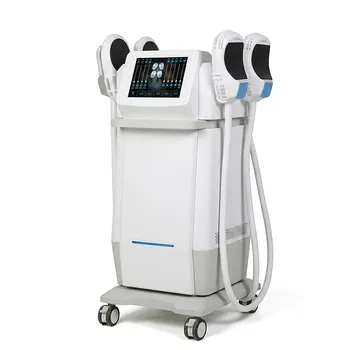
Use high-energy treatments to create change, then lower-energy care to support recovery and maintenance. Medical aesthetic clinics should generally sequence radiofrequency (RF) or ultrasound before lower-energy skin care treatments when both are performed in the same treatment plan. The high-energy modality addresses deeper tissue remodeling or tightening, while gentler treatments such as microcurrent, cleansing, or supportive skin care can be used afterward or between sessions, provided the skin has recovered and the device manufacturer’s instructions permit the combination.
The safest strategy is staged combination therapy: select each modality for a defined clinical target, perform the most tissue-disruptive or heat-generating procedure first, allow an appropriate recovery interval, and use lower-energy treatments as supportive maintenance rather than assuming that more energy produces better results.
Build the Protocol Around Clinical Indications
Define the role of each modality
RF is primarily used to deliver controlled dermal heating and support collagen remodeling. Ultrasound, including focused ultrasound systems, is used to target deeper tissue planes for lifting or structural remodeling.
Lower-energy treatments have a different role. Microcurrent and maintenance devices may support the appearance of muscle tone and circulation, while topical skin care and superficial treatments address barrier function, hydration, pigment management, or texture.
Avoid combining technologies without a treatment objective
A multi-modality plan is appropriate only when each device addresses a distinct problem or anatomical layer. Combining RF, ultrasound, lasers, and skin care simply because they are available can increase cost, irritation, and operational complexity without producing a predictable clinical benefit.
The protocol should specify the indication, treatment depth, expected tissue response, and success measure for every modality.
Match treatment intensity to the patient
Patient history, skin type, treatment area, prior procedures, medications, pigmentary risk, and healing capacity should determine the sequence and intensity. Patients at elevated risk of post-inflammatory hyperpigmentation or prolonged inflammation require more conservative planning and stronger pre- and post-treatment support.
Sequence Treatments by Tissue Stress
Perform the higher-energy procedure first
When RF or ultrasound is paired with lower-energy skin care in one treatment plan, the higher-energy treatment will usually come first. This preserves the intended energy delivery and prevents a subsequent product, exfoliation, or mechanical treatment from aggravating newly heated or sensitized tissue.
The lower-energy treatment should be performed only when it does not compromise the skin barrier or add unnecessary heat, pressure, or irritation.
Use lower-energy care for support and maintenance
After the acute response to RF or ultrasound has settled, gentler treatments can help maintain the patient’s treatment plan between higher-energy sessions. This may include conservative microcurrent, non-irritating cleansing, hydration-focused skin care, or other maintenance procedures approved for use on recovering skin.
These treatments should be positioned as supportive care. They do not replace the structural effects of a properly selected RF or ultrasound procedure.
Establish recovery windows by modality
There is no universal interval that applies to every RF, ultrasound, laser, or skin care device. The clinic should use the device manufacturer’s instructions, treatment intensity, anatomical area, visible skin response, and treating clinician’s assessment to determine whether treatments can occur on the same day or should be separated.
If there is persistent redness, swelling, tenderness, crusting, blistering, or barrier disruption, postpone additional treatment until the tissue has recovered and reassess the patient.
Protect Injectable Treatment Outcomes
Schedule energy treatments before fillers when possible
RF, ultrasound, chemical peels, and other treatments that cause swelling can make facial anatomy more difficult to assess. Performing them immediately before filler injections may obscure volume deficits and affect decisions about placement or dosage.
A conservative strategy is to complete energy-based or significant skin care treatments at least one week before filler administration, or to wait approximately two weeks after filler treatment before performing subsequent facial energy treatments. The exact interval should be determined by the injector, the treatment area, and the specific device.
Wait after neurotoxin injections
When RF or ultrasound is planned after neurotoxin injections, the supplied guidance recommends a waiting period of at least two weeks. This allows the injection sites to settle and reduces concern about applying heat or mechanical pressure too soon after treatment.
If neurotoxin is administered first, superficial, non-energy skin care should generally wait at least 48 hours, or until localized tenderness and swelling have resolved.
Treat injection-site changes as a reason to pause
Pain, marked swelling, asymmetry, unusual redness, or other unexpected findings should be evaluated before additional energy or skin care treatment. A fixed calendar should never override the patient’s clinical presentation.
Prepare the Skin Before High-Energy Procedures
Document risk factors in advance
Before laser, IPL, RF, or ultrasound treatment, document medical history, medication use, prior reactions, pigmentary risk, sun exposure, active skin disease, and relevant injectable procedures. Written consent should describe expected effects, possible adverse effects, aftercare, and circumstances requiring the clinic to postpone treatment.
Control sun exposure and pigmentary risk
Patients should follow strict sun-avoidance measures before and after energy-based procedures. Broad-spectrum UVA/UVB sunscreen with at least SPF 30 is a core part of ongoing care.
For laser or IPL patients with elevated PIH risk, the clinician may prescribe a pre-treatment pigment-control regimen, such as hydroquinone where appropriate. Antioxidant skin care may also be used according to the clinician’s protocol, but active products should be paused after treatment and resumed only when the epidermis has healed, commonly around 5 to 7 days after treatment or after crusting has resolved.
Consider antiviral prophylaxis when indicated
Patients with a history of herpes reactivation may require antiviral prophylaxis before procedures involving susceptible facial areas. This decision belongs in the medical screening and prescribing workflow rather than being left to informal aftercare instructions.
Validate the Device and the Workflow
Separate evidence from promotional claims
Device selection should be based on peer-reviewed clinical outcomes, histological evidence where available, safety data, and clearly defined indications. Marketing language about “synergy,” “cellular activation,” or permanent lifting should not substitute for evidence relevant to the specific device and protocol.
Test operational reliability
A clinically useful system must also fit the clinic’s workflow. Evaluate user-interface clarity, treatment parameter control, connectivity, maintenance requirements, training, service support, and protocol updates before purchase.
Model the economics conservatively
Estimate utilization from realistic patient volume, staffing, consumables, maintenance, training, downtime, and financing costs. A treatment combination is not clinically or financially successful if it creates a complex workflow that the clinic cannot deliver consistently.
Understanding the Trade-offs
More modalities do not guarantee better outcomes
Layering treatments may address several anatomical concerns, but it also increases the number of variables affecting the result. The patient may experience more erythema, swelling, discomfort, downtime, or difficulty identifying which treatment caused an adverse response.
Same-day treatment can reduce control
Performing multiple procedures in one visit may be convenient, but it can make tissue response harder to interpret. Staging treatments provides clearer feedback about efficacy and adverse effects, particularly when the patient is new to a device or has a higher risk of pigmentary complications.
“Lower energy” does not mean “no risk”
Microcurrent, exfoliation, cleansing devices, and topical products can still irritate compromised skin or alter the barrier. Lower-energy care should be selected according to tissue condition, not treated as automatically safe immediately after RF, ultrasound, laser, or injections.
Evidence for biochemical claims may be limited
Claims that maintenance devices sustain ATP synthesis, improve circulation, or preserve muscle tone should be communicated cautiously unless supported by evidence for the specific device and clinical endpoint. The defensible clinical promise is usually maintenance and supportive care, not guaranteed reversal of structural aging.
How to Apply This to Your Clinic
Use a written protocol that records the indication, device settings, treatment area, skin risk, injection history, recovery criteria, aftercare, and escalation plan.
- If your primary focus is structural tightening: Perform RF or ultrasound according to validated parameters, then introduce lower-energy maintenance only after the expected tissue response has settled.
- If your primary focus is injectable treatment: Complete significant energy-based treatments before fillers when possible, and observe the recommended post-injection intervals before applying RF or ultrasound.
- If your primary focus is pigment or texture correction: Use documented sun avoidance, risk-appropriate pretreatment, antiviral planning when indicated, and conservative post-procedure skin care.
- If your primary focus is operational consistency: Select devices based on evidence, usability, maintenance, training, and conservative financial projections rather than promotional claims.
- If your primary focus is patient safety: Stage treatments whenever the combined protocol creates uncertainty about swelling, barrier recovery, thermal exposure, or the cause of a possible adverse reaction.
A disciplined protocol treats high-energy modalities as the primary intervention and lower-energy treatments as measured, recovery-aware support.
Summary Table:
| Modality | Role | Sequence | Key Considerations |
|---|---|---|---|
| High-energy (RF, Ultrasound) | Deep tissue remodeling/tightening | Perform first | Higher tissue stress, need recovery interval |
| Lower-energy (Microcurrent, Skin care) | Supportive maintenance | After recovery | Do not irritate compromised skin |
Elevate your clinic's aesthetic protocol with BELIS's cutting-edge devices. Our advanced RF, ultrasound, and laser systems are designed for effective, safe combination therapy. Partner with us to enhance patient outcomes and grow your practice. Contact us today to explore our range!
Related Products
- 9D 7D HIFU Vaginal RF Lifting Treatment
- Vaginal Tighten HIFU Gynecology HIFU Treatment
- Professional Face and Vaginal 7D HIFU System for HIFU Clinic Treatments
- 7D 12D 4D HIFU Machine Device
- EMSlim Neo Nova Body Sculpting EMS Sculpting Machine
People Also Ask
- Is HIFU treatment considered safe and what are the potential risks? A Guide to Safe Non-Invasive Skin Tightening
- Is a HIFU treatment painful? Discover Comfort Levels and Results for Non-Surgical Lifting
- How does HIFU treatment differ from other skin tightening procedures? Compare Non-Invasive Lifting vs. Surgery
- What are the primary benefits of HIFU treatment? Reveal a Youthful V-Line and Firm Skin Non-Invasively
- Why are HIFU systems equipped with multiple treatment handpieces? Precision Depth Control for Superior Skin Results