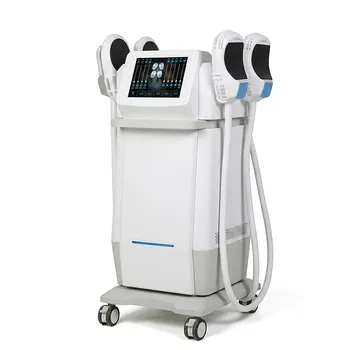
Before firing an IPL pulse, practitioners should confirm that the patient is an appropriate candidate, the treatment area is prepared, the device settings match the patient and indication, and ocular protection is adequate. Assessment should include Fitzpatrick skin type, recent tanning or sun exposure, medications, medical conditions, lesion characteristics, and treatment goals. A conservative test spot, device-specific settings, and documented patient response are essential because IPL parameters are not interchangeable across devices or indications.
The safest IPL protocol is a structured sequence: screen contraindications, prepare the skin, verify device and eyewear safety, perform a test spot, select conservative patient-specific parameters, and document the treatment in detail.
Establish Whether IPL Is Appropriate
Assess skin type and pigmentation risk
Determine the patient’s Fitzpatrick skin type I–VI, while also noting current tanning, baseline pigmentation, and any recent sun exposure.
Higher epidermal melanin increases the risk of thermal injury, dyschromia, post-inflammatory hyperpigmentation, and scarring. Skin types IV and V require heightened caution, while treatment of type VI should generally be avoided unless the specific device is explicitly validated and labeled for that skin type.
Confirm the clinical indication
IPL settings must be selected according to the target, such as vascular lesions, pigment, hair, or photodamage. The operator should assess the lesion’s location, color, pigment characteristics, and surrounding skin before choosing the filter and treatment parameters.
IPL is not a universal treatment. Diagnosis, realistic expectations, and recognition of conditions requiring alternative management are part of the safety assessment.
Review medical history and medications
Screen for:
- Pregnancy and breastfeeding
- Skin cancer or suspicious lesions
- Systemic lupus erythematosus or other photosensitive disorders
- Vitiligo
- Active infection, inflammation, or open lesions
- Photosensitizing medications
- Current systemic retinoid therapy
- Recent oral retinoid use, including isotretinoin according to the device protocol and local clinical guidance
- Recent chemical peels or other procedures that compromise the epidermal barrier
Recent tanning or significant sun exposure—particularly within the preceding 30 days—should generally be treated as a reason to defer treatment or reassess settings.
Prepare the Patient and Treatment Area
Remove products that can alter light absorption
Completely remove makeup, sunscreen, perfume, oils, and other topical products from the treatment area.
The skin should be cleaned with an appropriate nonflammable cleanser. Avoid alcohol and acetone immediately before treatment because they may irritate the skin or create an unnecessary flammability hazard.
Shave when necessary
If hair is the treatment target or surface hair could absorb excessive energy, shave the area as appropriate for the indication and device instructions.
The skin should be intact and free from active irritation before treatment begins.
Apply cooling medium when required
For devices that use it, apply approximately a 1–2 mm layer of cold ultrasound gel to support epidermal cooling and optical coupling.
Cooling does not make unsafe settings safe. It should supplement—not replace—appropriate fluence, pulse duration, filtering, and test-spot assessment.
Capture baseline photographs
Take standardized pre-treatment photographs when clinically appropriate. Images should document the treatment area, lesion characteristics, and baseline pigmentation so that outcomes and adverse changes can be assessed objectively.
Verify IPL Safety Before the First Pulse
Inspect the device and treatment environment
Before treatment, confirm that:
- The IPL system has passed required maintenance and calibration checks.
- The handpiece, filter, cooling system, cables, and controls are intact.
- The selected filter and handpiece match the indication.
- The treatment room is controlled and access is limited during firing.
- All personnel understand the device’s emergency-stop procedure.
- The operator is trained and authorized to use the specific system.
The device’s manufacturer instructions, local regulations, and institutional policies take precedence over generic parameter ranges.
Use certified wavelength-appropriate eyewear
Both the patient and operator must wear certified protective eyewear appropriate for the IPL spectrum. Everyone present in the treatment room should use the required protection while pulses can be emitted.
Ordinary sunglasses or nonspecific goggles are not adequate substitutes.
Apply enhanced ocular protection near the eyes
When treating near the periorbital region, standard external eyewear may not provide sufficient protection. Opaque intraocular metal eyeshields designed for the procedure may be required when treatment occurs inside the bony orbit.
The patient must remove soft or hard contact lenses before intraocular shields are placed. Eye shields must be inserted and used only by appropriately trained clinicians, with careful attention to corneal protection.
Topical anesthetics, cold air, cryogen, and other cooling methods must be controlled carefully near the eye to avoid corneal dryness, irritation, or chemical injury.
Select and Verify Patient-Specific Parameters
Use fluence and pulse duration conservatively
The primary adjustable parameters include:
- Fluence: energy density in J/cm²
- Pulse duration or pulse width: milliseconds
- Spectral filter or cutoff wavelength
- Number of pulses and passes
- Cooling method and intensity
The cited range of approximately 26–40 J/cm² and 5–30 ms may describe a particular clinical protocol, but it should not be treated as a universal starting range. The correct settings depend on the device, indication, skin type, treatment area, and manufacturer labeling.
Adjust for darker or recently pigmented skin
For higher Fitzpatrick types or increased epidermal pigmentation, practitioners generally need to reduce nonspecific epidermal heating. Depending on the device and indication, this may involve:
- Lower fluence
- Longer pulse duration or sub-pulses
- Longer delay intervals between sub-pulses
- Appropriate longer-wavelength cutoff filters
- More effective epidermal cooling
- Avoidance of treatment when the skin is recently tanned
These adjustments reduce risk but may also reduce treatment efficacy. The balance should be established through test spots and clinical response rather than by applying a fixed formula.
Perform a test spot
A test spot or patch test should be performed using conservative, indication-appropriate settings before treating the full area.
Where feasible, perform it at least one week before full-area treatment so delayed erythema, blistering, pigmentary change, or other adverse responses can be assessed. The test area and settings should be documented, and full treatment should proceed only when the response is acceptable.
Confirm endpoint and stop criteria
The operator should know the expected clinical endpoint for the indication and monitor the skin continuously during treatment.
Stop or reassess if there is unexpected pain, excessive whitening or darkening, blistering, unusual swelling, escalating heat, smoke, or a reaction inconsistent with the expected endpoint. Do not continue simply because the planned pulse count has not been reached.
Apply the Treatment Consistently
Maintain controlled coverage
If the device protocol specifies overlap, approximately 10% pulse overlap may help prevent untreated gaps. Excessive overlap can increase cumulative thermal exposure and should be avoided.
Track the number of passes and pulses delivered to each treatment zone.
Monitor cooling and tissue response
Cooling systems and gel should remain appropriately distributed throughout the procedure. Pay particular attention to thin skin, bony areas, previously treated sites, and darker or recently tanned skin.
The operator should reassess the tissue response after initial pulses before proceeding across the entire treatment area.
Protect against cumulative exposure
Multiple passes, overlapping pulses, short delays, and high fluence can create cumulative heating even when each individual pulse appears acceptable.
Treatment planning should therefore account for the total thermal burden, not only the nominal setting of a single pulse.
Document Parameters for Reproducibility
Record device and treatment settings
The operative report should include:
- Fluence in J/cm²
- Pulse duration or pulse width in ms
- Settings for each pass or sub-pulse when applicable
- Handpiece and cutoff filter
- Cooling method
- Total pulse count by treatment zone
- Any overlap or multiple-pass technique used
Record patient variables
Document:
- Fitzpatrick skin type
- Treatment indication and lesion characteristics
- Treatment location
- Recent tanning or sun exposure
- Relevant medications and contraindications
- Test-spot location, settings, and response
- Anesthesia or topical anesthetic use
- Pre- and post-treatment photographs when appropriate
Detailed records support safer adjustment at subsequent visits and make adverse-event investigation possible.
Understanding the Trade-offs
Higher energy does not automatically produce better results
Increasing fluence may improve target heating, but it also increases absorption by epidermal melanin and raises the risk of burns, dyschromia, and scarring.
The correct goal is the lowest effective exposure that reaches the intended clinical endpoint.
More cooling is not a substitute for correct settings
Cooling can protect the epidermis, but it cannot compensate for inappropriate filtering, excessive fluence, inadequate pulse spacing, or treatment of an unsuitable patient.
Cooling near the eyes also introduces risks if air, cryogen, anesthetic, or gel is used carelessly.
Conservative settings may require more sessions
Lower fluence or longer pulse strategies may be safer for darker skin but can produce slower or less complete results.
Patients should receive realistic expectations rather than being exposed to excessive energy to pursue a faster outcome.
Contraindications must be interpreted in context
Pregnancy, active infection, photosensitive disease, suspicious lesions, and recent tanning require firm deferral or specialist assessment. Medication-related restrictions, particularly for retinoids, should follow the device labeling, current clinical guidance, and the practitioner’s governing regulations rather than relying on an assumed universal waiting period.
Making the Right Choice for Your Goal
Use the following priorities when implementing an IPL protocol:
- If your primary focus is patient safety: Use formal contraindication screening, certified wavelength-specific eyewear, conservative test spots, and clear stop criteria before full-area treatment.
- If your primary focus is treatment efficacy: Match the filter, fluence, pulse duration, and cooling strategy to the specific indication and tissue characteristics rather than using fixed settings.
- If your primary focus is treating darker skin: Defer recently tanned patients, use heightened caution for types IV and V, avoid type VI unless specifically supported by the device, and favor conservative parameters with adequate cooling.
- If your primary focus is consistency across visits: Record every device setting, patient variable, test-spot response, pulse count, pass, and treatment-zone detail.
- If your primary focus is periorbital treatment: Use procedure-appropriate intraocular metal eyeshields when required, remove contact lenses, and apply strict ocular protection protocols.
A disciplined screening, preparation, parameter-selection, and documentation process is the foundation of safe and reproducible IPL practice.
Summary Table:
| Key Aspect | Recommendations |
|---|---|
| Patient Screening | Fitzpatrick skin type, tanning history, medications, contraindications |
| Skin Preparation | Clean, shave, apply cooling gel, remove products |
| Safety Checks | Device inspection, certified eyewear, intraocular shields near eyes |
| Parameter Selection | Conservative fluence, pulse duration, filter, test spot |
| Treatment Execution | Controlled overlap, monitor tissue response, stop criteria |
| Documentation | Record settings, patient variables, test spot response |
Ensure your practice delivers safe and effective IPL treatments with BELIS's advanced aesthetic devices. Our professional-grade systems are designed for clinics and premium salons, offering precision and reliability. Contact us today to learn how our laser and IPL solutions can elevate your patient care and grow your business. Get in touch with our experts for personalized guidance and exclusive offers.
Related Products
- IPL SHR+Radio frecuency machine
- IPL SHR Hair Removal Machine for Permanent Hair Removal
- Professional IPL SHR Hair Removal Machine for Laser and IPL Hair Removal
- Diode Laser SHR Trilaser Hair Removal Machine for Clinic Use
- Trilaser Diode Hair Removal Machine for Beauty Clinic Use
People Also Ask
- In what ways is an IPL SHR machine considered a cost-effective solution for hair removal? Maximize Your Clinic's ROI
- What is the typical downtime and recovery period associated with IPL SHR treatments? Zero-Downtime Guide
- What types of skin rejuvenation concerns can be addressed using IPL SHR machines? Master Photofacials & Anti-Aging
- What factors contribute to the speed and efficiency of IPL SHR treatments for large body areas? Boost Clinic Throughput
- What are the technical advantages of using the SHR mode in IPL systems? Discover Pain-Free, Safe Hair Removal