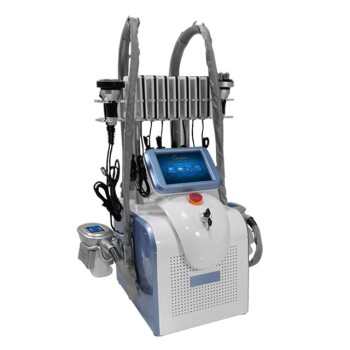
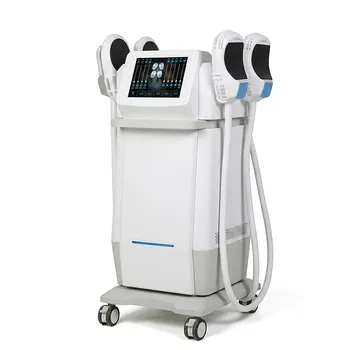
Before using a cryolipolysis system, practitioners should confirm that the patient is an appropriate candidate, assess tissue pinchability and skin quality, document a baseline, and select an applicator that matches the anatomy. Large-volume contoured applicators are generally suited to substantial, soft fat deposits, while curved, flat, small, or non-vacuum applicators are selected for specific body contours and tissue characteristics. Treatment should be performed only with the device’s approved protocols, protective interfaces, and applicator-specific instructions.
Cryolipolysis is a targeted body-contouring procedure—not a weight-loss treatment. Safe, predictable results depend on matching a discrete, pinchable fat deposit to the correct applicator while excluding contraindications, documenting the starting anatomy, and setting expectations for gradual improvement.
Establish Whether the Patient Is an Appropriate Candidate
Confirm the treatment goal
Cryolipolysis is intended for localized subcutaneous fat deposits, such as the abdomen, flanks, thighs, upper arms, upper back, or submental region.
It is generally best suited to patients near their ideal body weight who want spot reduction rather than systemic weight loss. It should not be presented as a substitute for weight management or high-volume surgical liposuction.
Assess the target tissue
Perform a careful physical examination and skin pinch test before selecting the applicator. The tissue must have sufficient fat depth and pliability to be safely captured or adequately contacted by the selected applicator.
Assess:
- Fat thickness and density
- Tissue pinchability and mobility
- Skin elasticity and laxity
- Scars, fibrosis, or induration
- Contour irregularities and underlying asymmetry
- Hernias or other structural abnormalities near the treatment zone
Excessive laxity, scar tissue, or an asymmetrical underlying structure may limit the cosmetic result or make vacuum capture unsuitable.
Screen for contraindications and risk factors
The consultation should identify conditions that may make controlled cold exposure unsafe. Relevant exclusions or precautions include cold-sensitivity disorders, such as cold urticaria, cryoglobulinemia, and paroxysmal cold hemoglobinuria.
Practitioners should also evaluate for severe Raynaud’s phenomenon, compromised peripheral circulation, active skin disease, open wounds, and abdominal wall hernias near the intended treatment area. Pregnancy and significant medical conditions affecting the proposed treatment should be addressed according to the device labeling and applicable clinical standards.
Plan the Treatment Before Applying the Device
Define and mark the focal area
Identify the discrete fat bulge to be treated rather than treating an entire body region indiscriminately. Use the device’s dedicated templates or approved marking method to define the target and maintain consistent positioning.
Marking also helps prevent overlap with sensitive structures, scars, hernias, or areas where the applicator cannot achieve stable contact.
Document a reliable baseline
Record baseline weight, circumferential measurements, and standardized photographs before treatment. Photographs should use consistent lighting, posture, distance, and camera angle.
These records are essential because cryolipolysis results are gradual. Visible changes commonly develop over approximately 2 to 4 months, with improvement potentially continuing toward 6 months.
Set realistic expectations
Explain that cryolipolysis reduces a localized fat deposit; it does not cause general weight loss or correct substantial skin laxity. Patients should understand that results vary with anatomy, tissue characteristics, treatment planning, and individual response.
A detailed consultation should allow enough time to discuss the patient’s goals, examine the area, explain limitations, and obtain informed consent.
Select the Applicator According to Anatomy and Tissue
Use large-volume applicators for major, pinchable deposits
Large-volume contoured or debulking applicators are generally appropriate for larger, soft fat deposits, such as suitable areas of the abdomen.
They require adequate tissue capture and stable positioning. A large applicator should not be chosen solely because the treatment area is large; the tissue must also fit safely and evenly within the cup.
Use curved applicators for curved body regions
Curved or contour-matched vacuum applicators are useful for soft, pinchable deposits around areas such as the flanks and abdomen.
Their geometry is intended to improve contact with curved surfaces and promote more uniform cooling across the captured tissue.
Use flat applicators for vertical or flatter bulges
Flat applicators may be better suited to pinchable fat on relatively vertical or flatter areas, including selected upper-arm or inner-thigh deposits.
They are also useful when a curved vacuum cup cannot achieve appropriate contact or positioning. The final choice should follow the device’s cleared indications and manufacturer-specific applicator guidance.
Use small applicators for compact treatment zones
Small applicators are designed for localized areas, such as submental fat under the chin, when the tissue volume and anatomy are appropriate.
The practitioner should confirm that the applicator can contact the target evenly without excessive pressure or involvement of adjacent structures.
Consider non-vacuum applicators for non-pinchable tissue
Dense, fibrous, or poorly pinchable fat may not draw adequately into a vacuum cup. In selected cases, a non-vacuum conformable surface applicator secured according to the manufacturer’s instructions may provide better contact.
This approach may be relevant to areas such as certain lateral-thigh or “saddlebags” deposits. If the tissue cannot be safely captured or adequately contacted, the correct decision may be not to treat that area.
Prepare the Equipment and Treatment Site
Use the required protective interface
Apply the approved protective transparent gel pad, thermal coupling sheet, or equivalent interface before applicator placement. This barrier helps protect the skin from cold-related injury and should be applied without folds, gaps, or contamination.
Practitioners must use the consumables specified for the device rather than substituting unapproved materials.
Check liners and applicator condition
For vacuum systems, place the required disposable liner inside the applicator cup to protect internal vacuum components and maintain appropriate hygiene.
Before treatment, verify that the applicator, tubing, liner, cooling surfaces, and control unit are intact and compatible with the planned protocol.
Confirm positioning and suction
Position the applicator over the marked target and initiate vacuum according to the device protocol. Confirm that tissue capture is appropriate, the handpiece is stable, and the patient is tolerating the initial suction and cooling.
Do not force tissue into an applicator or proceed when capture is uneven, painful, unstable, or anatomically inappropriate.
Manage the Treatment and Immediate Aftercare
Stabilize the handpiece during the cycle
The applicator should remain securely positioned throughout the cooling cycle. Movement can reduce contact consistency and create an uneven treatment pattern.
Monitor the patient and treatment area according to the system’s instructions, including any required checks during the cycle.
Follow the device-specific cooling protocol
Cycle duration, cooling parameters, vacuum behavior, and automatic shut-off are system-specific. Practitioners should use the manufacturer’s approved settings and should not extrapolate protocols between different devices or applicator types.
Perform post-treatment care as directed
Many professional protocols recommend immediate manual massage of the treated tissue for approximately two minutes after applicator removal. If used, it should be performed according to the system’s instructions and the patient’s tolerance.
Document the applicator used, treatment location, cycle parameters, patient response, and any immediate skin findings.
Understanding the Trade-offs
Larger applicators improve coverage but reduce flexibility
Large-volume cups can treat more tissue in a single placement, but they require a sufficiently broad, soft, and pinchable deposit. They may be unsuitable for narrow, sharply curved, fibrotic, or anatomically irregular areas.
Vacuum applicators are efficient but depend on tissue capture
Vacuum-assisted applicators can provide strong tissue contact, but they are not appropriate when the fat is too dense, too thin, poorly mobile, or otherwise difficult to draw into the cup.
Choosing a vacuum applicator simply because it is available can result in incomplete contact, discomfort, or an uneven cosmetic effect.
Non-vacuum applicators expand options but demand precise placement
Conformable surface applicators can address some non-pinchable areas, but uniform surface contact and secure fixation become especially important. Poor contact may compromise cooling consistency and treatment effectiveness.
Results are gradual and not perfectly predictable
Cryolipolysis does not produce an immediate contour change. Patients may require more than one treatment, and the final response varies; therefore, baseline documentation and a staged reassessment are more reliable than judging success immediately after the procedure.
How to Apply This to Your Practice
Use a standardized consultation and treatment checklist for every patient:
- If your primary focus is safety: Screen for cold-related disorders, circulation problems, skin lesions, hernias, pregnancy, and other device-specific contraindications before treatment.
- If your primary focus is treatment efficacy: Confirm adequate tissue pinchability, mark the focal deposit accurately, and select the applicator whose geometry matches the anatomy.
- If your primary focus is predictable assessment: Record baseline photographs, weight, and circumferential measurements, then reassess progressively over approximately 2 to 6 months.
- If your primary focus is treating difficult anatomy: Consider a non-vacuum conformable applicator only when the tissue cannot be safely captured and the device is approved for that application.
- If your primary focus is patient satisfaction: Explain that cryolipolysis targets localized fat rather than overall weight or significant skin laxity, and set expectations for gradual rather than immediate improvement.
A disciplined assessment and anatomy-specific applicator choice are the foundation of safe, consistent cryolipolysis body contouring.
Summary Table:
| Guideline | Description |
|---|---|
| Patient screening | Confirm eligibility, check pinch test, and exclude contraindications. |
| Tissue assessment | Evaluate fat thickness, skin quality, and structural issues. |
| Applicator selection | Match applicator geometry to tissue type and anatomy. |
| Documentation | Record baseline weight, measurements, and photos. |
| Protocol adherence | Use approved settings, protective interfaces, and manufacturer instructions. |
| Post-care | Monitor response, document results, and schedule follow-up. |
Optimize your cryolipolysis outcomes with the right planning and applicator selection. At BELIS, we provide a comprehensive range of professional-grade aesthetic devices, including advanced cryolipolysis systems designed for clinics and premium salons. Our expertise ensures you have the right tools and support to achieve safe, effective body contouring for your clients. Contact our specialists today to learn how our equipment and guidance can elevate your practice.
Related Products
- Fat Freezing Cryolipolysis Machine for Body Contouring
- Cryolipolysis Fat Freezing Machine and Ultrasonic Cavitation Device
- Fat Freezing Cryolipolysis Machine for Body Contouring
- Cryolipolysis Fat Freezing Machine with Cavitation and Laser Lipolysis
- Cryolipolysis Fat Freezing Cavitation Lipo Laser Machine
People Also Ask
- What are the main benefits of using a fat freezing machine? Achieve Permanent, Non-Surgical Body Sculpting
- Do fat freezing machines really work? Achieve Non-Invasive Body Contouring
- What are the potential side effects and risks associated with fat freezing? Safety Profile & Rare Risks Explained
- What are the clinical and safety risks of using uncertified or replicate cryolipolysis body contouring equipment? Avoid hyperpigmentation and legal exposure with certified systems.
- What maintenance and service aspects are important when purchasing a fat freezing machine? Maximize ROI & Reliability