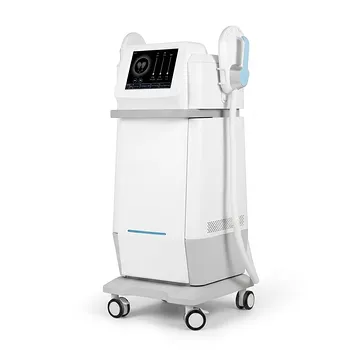
Clinics should evaluate laser-assisted body sculpting as both a clinical procedure and an operational investment. The technology may improve tissue coagulation, skin retraction, and treatment of fibrotic fat, but it typically adds 10–30 minutes per anatomical region, increases procedure costs, and introduces thermal risks. Clinics must therefore assess workflow capacity, total ownership costs, patient selection, staff competence, and protocols for preventing and managing complications.
Laser-assisted body sculpting can offer tissue-tightening and coagulation benefits, but its value depends on disciplined energy delivery, appropriate patient selection, reliable equipment support, and realistic scheduling and cost assumptions.
How the Technology Changes Clinic Operations
Treatment time affects scheduling capacity
Laser assistance typically adds 10–30 minutes per treated anatomical region compared with non-laser methods. Clinics should include this time in consultation-to-discharge planning rather than treating it as a minor technical step.
Longer procedures can reduce daily case capacity, increase staff utilization, and create scheduling delays if operating lists are not adjusted.
Total procedure cost is higher
The purchase price is only one part of the financial calculation. Clinics should account for staff training, disposable fibers or treatment tips, fluid tubing, maintenance contracts, warranty coverage, and technical support.
A realistic cost model should also include room utilization, recovery monitoring, consumables, and potential downtime during servicing.
Staff training affects safety and consistency
Operators must understand laser–tissue interactions, parameter selection, tissue depth, and the effect of energy delivery on different anatomical areas and skin types.
Training should cover both the procedure and the response to complications. A device that is easy to purchase but difficult to use consistently can create avoidable clinical and operational risk.
Protocol standardization is essential
Clinics should define standardized protocols for patient assessment, energy settings, treatment duration, cooling or protective measures, documentation, and postoperative follow-up.
Standardization reduces variation between operators and makes it easier to identify whether a complication resulted from patient factors, device settings, technique, or aftercare.
What Clinics Should Evaluate Before Purchasing
Evaluate the complete cost of ownership
The acquisition decision should include:
- Initial device and installation costs
- Staff training and competency assessment
- Disposable fibers, tips, and tubing
- Preventive maintenance and service contracts
- Warranty terms and expected repair costs
- Downtime and replacement-device arrangements
A lower purchase price does not necessarily represent better value if the device has expensive consumables, weak technical support, or frequent service interruptions.
Verify clinical evidence
Clinics should request internal clinical data, peer-reviewed studies, long-term follow-up information, and reported complication rates.
Evidence should support the device’s intended indications rather than simply demonstrate short-term market popularity or promotional outcomes.
Confirm regulatory and vendor reliability
The supplier should provide appropriate regulatory clearances, valid import documentation, authorized dealer information, and evidence that the equipment is new rather than refurbished or resold.
Manufacturer stability, local technical support, service response times, and availability of replacement parts directly affect clinical continuity.
Check technical and site requirements
The clinic should verify whether the device provides suitable energy output, parameter control, and treatment flexibility for its intended applications.
Site planning should address electrical requirements, room layout, infection-control processes, laser safety measures, storage, and staff access to operating instructions.
Patient Selection and Clinical Readiness
Identify appropriate candidates
Laser-assisted body sculpting is generally most suitable for healthy patients with localized fat deposits, stable body weight, and realistic expectations.
A clinical pinch test should confirm sufficient subcutaneous fat in the treatment area, with the referenced threshold being approximately 1.5 cm.
Screen for contraindications
Absolute contraindications include pregnancy, bleeding disorders, lidocaine or lignocaine allergy where relevant, and severe debilitating systemic disease.
Conditions such as compromised liver function, age over 65, uncontrolled diabetes, hypertension, and cardiovascular disease require individualized risk assessment rather than automatic treatment.
Complete appropriate preoperative evaluation
Depending on the procedure and medical history, evaluation may include blood counts, liver and kidney function tests, coagulation parameters, lipid profiles, and pregnancy screening.
The clinic should document the rationale for proceeding, postponing, or declining treatment.
Set realistic expectations
Laser assistance does not eliminate the need for appropriate treatment planning or guarantee uniform skin tightening. Patients should understand the expected degree of fat reduction, possible swelling duration, recovery requirements, and the possibility of staged or revision treatment.
Potential Side Effects and Complications
Postoperative swelling may last longer
Thermal energy can occasionally prolong postoperative swelling, even though it may also promote skin retraction and small-vessel coagulation.
Patients should receive clear guidance about expected swelling, warning signs, activity restrictions, compression or wound-care requirements, and when follow-up is necessary.
Superficial burns are a key thermal risk
Excessive energy, inadequate movement, insufficient tissue awareness, or inconsistent technique can produce superficial skin burns.
Clinics should use conservative, standardized energy-delivery protocols and ensure that operators understand the relationship between power, exposure time, tissue thickness, and treatment speed.
Bruising, discomfort, and temporary sensory changes may occur
As with other body-sculpting procedures, patients may experience pain, tenderness, bruising, swelling, or temporary changes in sensation.
These effects should be included in consent discussions and tracked through postoperative follow-up rather than treated as unexpected events.
Uneven results remain possible
Variation in fat distribution, tissue thickness, skin elasticity, operator technique, and energy delivery can contribute to asymmetry or irregular contouring.
Preoperative marking, standardized treatment patterns, photographic documentation, and consistent follow-up help reduce and identify these problems.
Skin quality limits the result
Laser-induced collagen heating may support skin contraction, but it cannot fully compensate for severe laxity, extensive striae, or poor tissue quality.
Patients with significant skin excess may require a different procedure or a combined treatment plan.
Understanding the Trade-offs
More technology does not automatically mean better outcomes
Laser assistance can be useful in areas with dense fibrotic fat, scar tissue, poor skin elasticity, or revision-treatment requirements. However, it adds procedural complexity and requires greater control over energy delivery.
Clinics should adopt it because it addresses a defined clinical need, not simply because it is newer or more marketable.
Thermal benefits come with thermal risks
The same energy that can promote collagen contraction and coagulate small vessels can also contribute to prolonged swelling or superficial burns.
The clinical benefit depends on maintaining an appropriate balance between sufficient energy and excessive thermal exposure.
Higher utilization is needed to justify investment
A device may be financially reasonable for a clinic with sufficient patient volume and appropriate indications. It may be difficult to justify for a low-volume practice if consumables, maintenance, training, and downtime substantially increase per-case costs.
Lease-to-own, rental, or purchase models should be compared against realistic patient volume rather than optimistic projections.
Delegation requires defined competency standards
Operational ease matters, but parameter adjustment should not be delegated without appropriate training, supervision, and documented competency.
A simple interface does not remove the need for clinical judgment, patient assessment, or laser safety procedures.
Making the Right Choice for Your Clinic
A structured evaluation should connect the device’s clinical capabilities with the clinic’s actual patient population, staffing model, and financial capacity.
- If your primary focus is clinical safety: Prioritize patient-screening criteria, standardized energy protocols, operator training, complication-management procedures, and structured postoperative follow-up.
- If your primary focus is treatment capacity: Model the additional 10–30 minutes per anatomical region and determine how it affects daily scheduling, staffing, and room utilization.
- If your primary focus is financial return: Calculate total ownership cost, including disposables, training, service contracts, downtime, and realistic treatment volume rather than purchase price alone.
- If your primary focus is treating fibrotic or revision cases: Verify that the device has credible evidence and practical suitability for scar tissue, dense fibrotic fat, poor elasticity, or striae.
- If your primary focus is long-term reliability: Assess regulatory status, manufacturer history, local technical support, warranty coverage, replacement parts, and published complication data.
The right technology is the one your clinic can operate safely, support reliably, and use often enough to deliver measurable clinical and business value.
Summary Table:
| Factor | Key Consideration | Potential Impact |
|---|---|---|
| Treatment Time | Adds 10–30 minutes per region | Reduced daily capacity, scheduling delays |
| Procedure Cost | Higher than non-laser methods | Increased per-case cost, need for utilization |
| Staff Training | Requires comprehensive laser safety & technique | Consistency, safety, complication rates |
| Protocol Standardization | Need for standardized patient assessment, energy settings | Reduced variation, easier complication identification |
| Patient Selection | Candidates with localized fat, stable weight, realistic expectations | Optimal results, fewer complications |
| Contraindications | Pregnancy, bleeding disorders, severe systemic disease | Risk assessment, refusal if necessary |
| Preoperative Evaluation | Blood tests, coagulation, etc. | Safe patient selection |
| Side Effects | Swelling, burns, bruising, uneven results | Patient satisfaction, follow-up needs |
| Skin Quality | Severity of laxity, striae limits result | Set realistic expectations |
| Financial Return | Need for high utilization to justify investment | Profitability, ROI |
| Reliability | Regulatory status, manufacturer support | Clinical continuity, uptime |
Ready to integrate laser-assisted body sculpting safely and profitably? Partner with BELIS, your specialized provider of professional-grade aesthetic equipment for clinics and premium salons. Our advanced laser systems and body sculpting devices come with comprehensive training, reliable support, and flexible financing options. Contact us today to discuss how we can help you optimize workflow, minimize risks, and achieve outstanding patient outcomes.
Related Products
- EMSlim RG Laser Body Sculpting and Slimming Machine
- Ultrasonic Cavitation Machine Lipo Laser Device
- EMSlim Neo Nova Body Sculpting EMS Sculpting Machine
- EMSlim Body Sculpting Machine EMS Body Slimming Machine
- EMS Body Sculpting Slimming Machine EMSlim Body Slimming Machine
People Also Ask
- How long does it take to see results from EMSlim? A Realistic Timeline for Lasting Body Contouring
- Can I do EMSlim everyday? Why Daily Sessions Can Hinder Your Results
- How do these treatments improve muscle definition? Unlock the Science of Advanced Body Sculpting
- How does this body contouring treatment achieve muscle toning and shaping? Unlock High-Efficiency Sculpting Results
- Value of EMSlim & Cryolipolysis for Acne with Obesity? Improve Metabolic Health and Results