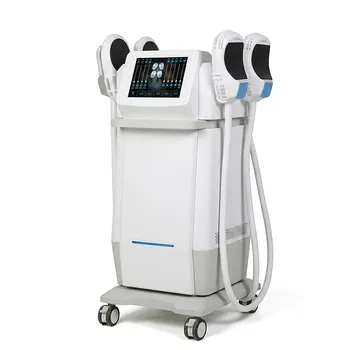
IPL treats acne through short, high-energy bursts of broad-spectrum light that target several acne-related structures at once. Its pulses can excite bacterial porphyrins, heat superficial blood vessels near inflamed lesions, and affect sebaceous structures while limiting the duration of tissue heating. Compared with continuous-wave light, this combination of high peak power, spectral flexibility, and adjustable pulse timing provides more selective treatment with less unwanted thermal accumulation.
The key advantage of IPL is not simply “more light.” It is the ability to deliver concentrated, tunable energy in brief pulses so that bacterial porphyrins, vascular chromophores, and sebaceous tissue receive therapeutic doses while surrounding skin has more opportunity to cool.
How IPL Targets Acne Lesions
Photochemical destruction of acne-associated bacteria
Acne-associated Cutibacterium acnes—historically called Propionibacterium acnes—produces endogenous porphyrins. These compounds absorb certain visible wavelengths, particularly within portions of the blue-to-green spectrum.
When IPL energy is absorbed by these porphyrins, it can generate reactive photochemical effects that damage or destroy the bacteria. This provides a direct antibacterial mechanism without relying on antibiotic exposure.
Reduction of inflammation through vascular targeting
Inflamed papules and pustules are associated with increased local blood flow and vascular activity. IPL wavelengths can be absorbed by hemoglobin in vessels near these lesions.
The resulting controlled thermal effect can reduce vascular contributions to inflammation. This helps explain why IPL may improve inflammatory lesions rather than acting only as a surface antibacterial treatment.
Effects on sebaceous activity
Longer IPL wavelengths can penetrate more deeply than the shortest visible wavelengths. Depending on the device and treatment parameters, this energy may affect sebaceous structures and help reduce excess sebum, one of the factors that contributes to acne development.
This mechanism is complementary to porphyrin targeting: IPL can address both the microbial component and aspects of the oily, inflamed skin environment.
Why Pulsed Delivery Matters
Higher peak power in short treatment windows
IPL delivers light in brief pulses with high instantaneous power. This places a relatively large number of photons into a short time interval, increasing the likelihood that the intended chromophores absorb a therapeutically meaningful amount of energy.
A continuous-wave source can provide comparable total energy over a longer period, but it generally does not create the same peak-power profile. The distinction is therefore how energy is delivered over time, not merely the total energy used.
Selective thermal confinement
Short pulses allow the device to heat target structures while limiting the duration of heat transfer into surrounding tissue. The skin can begin dissipating heat between pulses, reducing unnecessary cumulative heating.
This is particularly important when treating inflamed acne-prone skin, where excessive thermal exposure can increase discomfort, erythema, or the risk of pigmentary complications.
Multi-pulse control
Many IPL systems divide treatment energy into multiple pulses separated by millisecond delays. This approach can deliver the required fluence while allowing partial cooling between sub-pulses.
Pulse duration, delay intervals, number of pulses, and fluence can therefore be adjusted to balance bacterial, vascular, and sebaceous effects against epidermal safety.
Why Broad-Spectrum IPL Is Useful
Multiple chromophores can be addressed
IPL is non-coherent and broad-spectrum, commonly using filters that transmit selected ranges such as approximately 530–750 nm, although commercial systems may offer broader operating ranges. A filtered IPL pulse can interact with more than one chromophore in the treated area.
In acne therapy, this may include:
- Bacterial porphyrins for photochemical antibacterial activity.
- Hemoglobin in vessels associated with inflammatory lesions.
- Deeper tissue structures, including sebaceous components, depending on the wavelength and parameters.
A narrow continuous-wave source may be optimized for one principal absorption target. IPL offers greater flexibility to combine several relevant effects within one treatment platform.
Filters control the treatment spectrum
Cut-off filters remove unwanted wavelengths and shape the emitted spectrum. This helps the operator select energy that better matches the intended targets while reducing exposure to less useful portions of the lamp output.
The filter alone does not determine clinical performance. Fluence, pulse width, repetition pattern, spot size, skin type, and cooling must also be matched to the treatment goal.
IPL Compared With Continuous-Wave Light
Continuous-wave light provides uninterrupted energy
A continuous-wave source emits light continuously for the duration of the exposure. It can produce biological effects if the wavelength, irradiance, exposure time, and total dose are appropriate.
However, continuous delivery tends to create ongoing heat accumulation. Without carefully controlled exposure and cooling, heat may spread beyond the intended target.
IPL provides greater temporal selectivity
IPL can concentrate energy into short pulses and pause between them. These pauses create more control over the relationship between target heating and surrounding-tissue cooling.
This temporal selectivity is a central reason IPL can achieve therapeutic effects with fewer unwanted thermal effects than an equivalently managed continuous exposure.
IPL can combine mechanisms in one platform
Because IPL uses filtered broadband light, it can address bacterial, vascular, and potentially sebaceous targets through different wavelength components. A continuous-wave device may require separate wavelengths or treatment settings to achieve a similar range of effects.
This does not mean IPL is automatically superior in every case. A well-selected laser or continuous-wave source may be more appropriate when a highly specific target and wavelength are preferred.
Understanding the Trade-offs
Broad spectrum also means less wavelength specificity
IPL energy is distributed across a band of wavelengths rather than concentrated into a single, highly specific wavelength. Some of that energy may be absorbed by competing chromophores, including melanin.
Consequently, treatment settings must be selected carefully, especially for darker or recently tanned skin, where epidermal pigment may increase the risk of unwanted heating.
Acne response varies by lesion type
IPL is generally more relevant to inflammatory acne than to every form of acne equally. Comedonal disease, deep nodules, scarring, and active infection may require different or additional approaches.
The reduction of acne lesions should not be confused with complete treatment of the underlying tendency to develop acne.
Parameter errors can reduce efficacy or increase risk
Too little energy may fail to produce a meaningful photochemical or thermal effect. Excessive fluence, unsuitable pulse widths, inadequate cooling, or poor skin-type selection can increase pain, burns, prolonged erythema, or post-inflammatory hyperpigmentation.
Professional assessment and device-specific protocols are therefore essential.
IPL is not free of treatment limitations
IPL may require multiple sessions and does not eliminate the need to manage sebum production, follicular plugging, or ongoing inflammation. It also does not carry the same mechanism as antibiotic therapy and should not be presented as a universal replacement for medical acne treatment.
Medication use may need review before treatment, particularly when a drug increases photosensitivity or alters wound-healing risk.
How to Apply This to Your Treatment Goal
The most appropriate comparison depends on whether the priority is antibacterial action, inflammation control, sebaceous effects, or thermal safety.
- If your primary focus is reducing inflammatory papules and pustules: Favor an IPL protocol designed to combine porphyrin targeting with hemoglobin-mediated vascular and inflammatory effects.
- If your primary focus is minimizing unwanted heating: Use pulsed delivery, inter-pulse cooling, and conservative parameters rather than assuming that continuous energy is safer.
- If your primary focus is treating darker or pigment-prone skin: Prioritize wavelength filtering, skin-type assessment, cooling, and conservative fluence selection because melanin can compete for the light energy.
- If your primary focus is comedones, nodules, or acne scarring: Treat IPL as one possible component of a broader acne plan rather than assuming its antibacterial mechanism addresses every lesion type.
- If your primary focus is maximum wavelength specificity: Consider whether a suitably selected narrowband or laser source better matches the target than broadband IPL.
IPL’s effectiveness relative to continuous-wave light comes from coordinated spectral targeting and pulsed energy control, not from intensity alone.
Summary Table:
| Mechanism | IPL (Pulsed Broad-Spectrum) | Continuous-Wave Light | Relevance to Acne |
|---|---|---|---|
| Peak Power | High instantaneous power in short pulses | Lower, sustained power | Efficient chromophore excitation |
| Targeting | Multiple chromophores (porphyrins, hemoglobin, sebaceous) | Typically single wavelength | Addresses multiple acne factors |
| Thermal Effects | Inter-pulse cooling limits heat buildup | Continuous heating may spread | Reduces unwanted thermal damage |
| Flexibility | Adjustable pulse duration, delay, number | Limited temporal control | Customizable safety and efficacy |
| Wavelength Spectrum | Filters select ranges (e.g., 530-750 nm) | Fixed single wavelength | Can combine antibacterial and anti-inflammatory effects |
Are you looking to upgrade your clinic's acne treatment offerings with advanced IPL technology? At BELIS, we provide professional-grade medical aesthetic equipment trusted by clinics and premium salons worldwide. Our IPL systems are designed to deliver effective, safe, and customizable acne treatments, backed by OEM/ODM support and international certifications. Discover how our solutions can enhance your practice and patient satisfaction. Contact us today to learn more!
Related Products
- IPL SHR Hair Removal Machine for Permanent Hair Removal
- IPL SHR+Radio frecuency machine
- Professional IPL SHR Hair Removal Machine for Laser and IPL Hair Removal
- Clinic Use IPL SHR ND YAG Laser Hair Removal RF Skin Tightening Machine
- Clinic Use IPL and SHR Hair Removal Machine with Nd Yag Laser Tattoo Removal
People Also Ask
- How does an IPL SHR machine achieve long-term hair reduction compared to traditional methods? Professional Tech Guide
- How does the frequency of IPL SHR sessions compare to traditional laser hair removal? Maximize Comfort and Efficiency
- How does IPL SHR technology accommodate a wide range of skin types and hair colors? Safe Solutions for All Skin Tones
- How does the safety mechanism of IPL SHR technology protect the surrounding skin tissue? Advanced Protection Guide
- Why is the IPL SHR hair removal process described as painless and comfortable for the patient? Discover the Tech.