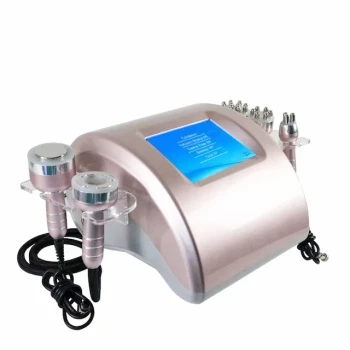
Combining Radiofrequency (RF) with Fractional CO2 Laser creates a dual-mechanism approach that fundamentally alters the skin barrier to facilitate drug delivery. While the laser creates physical channels by disrupting the structure of the stratum corneum, the Radiofrequency energy specifically targets the chemical barrier, interfering with the sebaceous secretions (oils) that naturally reinforce the skin’s defenses.
By integrating thermal disruption of lipids with mechanical perforation of the tissue, this modality transforms the skin into a highly permeable substrate, allowing for deeper, more uniform drug absorption and reducing the total number of treatments required.
The Mechanics of Barrier Disruption
The Role of Fractional CO2 Laser
The primary function of the laser in this context is physical structural disruption.
The laser energy targets the stratum corneum, the outermost layer of the epidermis. By breaking down this rigid physical structure, the laser creates direct pathways or "micro-channels" through the skin's hardest line of defense.
The Specific Contribution of Radiofrequency
Radiofrequency adds a critical thermal dimension that the laser alone does not fully address.
RF energy interferes with sebaceous secretions, the natural oils and lipids that act as the "mortar" sealing the skin barrier. By disrupting these secretions, the RF technology prevents the skin from immediately re-sealing the physical channels created by the laser.
Optimizing Transdermal Delivery
Achieving Depth and Uniformity
The goal of combining these technologies is not just surface penetration, but delivery to deep tissues.
When these two modalities are used in conjunction with acoustic pressure wave technology, the synergy drives drugs deeper into the dermis. This ensures that the therapeutic agents are distributed uniformly rather than pooling on the surface or penetrating unevenly.
Clinical Efficiency and Patient Impact
The enhanced permeability resulting from this combination directly correlates to clinical efficiency.
Because the barrier is compromised more effectively, a higher volume of the drug reaches the target tissue per session. This allows patients to achieve desired clinical improvements with significantly fewer treatment sessions compared to single-modality approaches.
Understanding the Trade-offs
The Necessity of Synergy
It is important to understand that neither device achieves this specific outcome in isolation.
Using the laser without the RF may leave the lipid barrier intact, limiting absorption. Conversely, using RF without the laser lacks the physical channels for entry. The efficacy relies entirely on the combined effect of mechanical structure disruption and lipid barrier interference.
Implications for Clinical Treatment Plans
To maximize the efficacy of transdermal drug delivery, you must align the technology used with the specific physiological barriers you intend to overcome.
- If your primary focus is overcoming the lipid barrier: Prioritize the inclusion of Radiofrequency energy to disrupt sebaceous secretions that normally repel water-based compounds.
- If your primary focus is reducing treatment frequency: Leverage the combined protocol with acoustic pressure waves to maximize the depth and volume of drug delivery in a single session.
By systematically dismantling both the physical and chemical defenses of the skin, you ensure that therapeutic agents reach their intended deep-tissue targets with precision.
Summary Table:
| Mechanism | Fractional CO2 Laser | Radiofrequency (RF) |
|---|---|---|
| Primary Function | Physical Structural Disruption | Chemical Lipid Interference |
| Target Layer | Stratum Corneum (Skin Surface) | Sebaceous Secretions (Oils) |
| Action Type | Creates Micro-channels | Prevents Channel Sealing |
| Clinical Result | Direct Physical Pathway | Enhanced Deep-Tissue Permeability |
Elevate Your Clinic’s Treatment Efficacy with BELIS Technology
Are you looking to deliver superior clinical results with fewer sessions? BELIS specializes in professional-grade medical aesthetic equipment designed exclusively for clinics and premium salons. By integrating our advanced CO2 Fractional Laser systems and Microneedle RF technology, you can master the art of transdermal drug delivery and skin rejuvenation.
Our comprehensive portfolio includes:
- Advanced Laser Systems: Diode Hair Removal, CO2 Fractional, Nd:YAG, and Pico lasers.
- Precision Anti-Aging: High-Intensity Focused Ultrasound (HIFU) and Microneedle RF.
- Body Sculpting & Wellness: EMSlim, Cryolipolysis, RF Cavitation, and specialized Hydrafacial systems.
Partner with BELIS to bring world-class technology to your patients. Contact us today to request a quote or consultation!
References
- Mansor Emhammed Ahmed Algowil, Khaled Mohamed Gharib. Lasers Uses in the Treatment of Alopecia Areata: Review Article. DOI: 10.21608/ejhm.2022.232257
This article is also based on technical information from Belislaser Knowledge Base .
Related Products
- Fractional CO2 Laser Machine for Skin Treatment
- Fractional CO2 Laser Machine for Skin Treatment
- RF Microneedling Machine Micro Needle Radio Frequency Machine
- RF Microneedling Machine Micro Needle Radio Frequency Machine
- IPL SHR+Radio frecuency machine
People Also Ask
- What is the technical principle behind CO2 Laser Fractional micro-perforations? Master Scar Revision Mechanics
- What role does fractional CO2 laser equipment play in the treatment of SUI? Non-Surgical Stress Urinary Incontinence Care
- What is the rationale for a double-pass technique with fractional CO2 lasers? Maximize Deep Collagen Remodeling
- What is the purpose of manually extracting large cysts before CO2 fractional laser? Optimize Eyelid Milia En Plaque Care
- What is the core function of the CO2 fractional laser system in the treatment of hypertrophic burn scars? Deep Insights