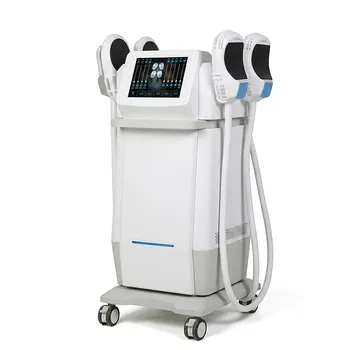
The combination works by pairing controlled heat with mechanical tissue mobilization. Radiofrequency (RF) and infrared (IR) energy warm the dermal and subcutaneous tissues, which can temporarily alter collagen tension and, over repeated treatments, stimulate collagen remodeling. Vacuum suction and mechanical massage increase local blood and lymphatic flow while mobilizing tissue; together, these effects can reduce the visual appearance of cellulite, improve skin firmness, and sometimes produce modest circumference changes.
The central benefit is multimodal tissue treatment: thermal energy addresses skin laxity and fibrous connective structures, while vacuum massage addresses circulation, fluid movement, and mechanical dimpling. The result is usually smoother-looking skin rather than a permanent removal of cellulite.
Why Cellulite Requires More Than Fat Reduction
Cellulite Is a Structural Problem
Cellulite reflects the interaction of subcutaneous fat, fibrous connective septae, skin thickness, tissue fluid, and local circulation. Fat reduction alone does not necessarily correct the tethering and surface irregularities that create dimpling.
Skin Laxity Amplifies Dimpling
When the dermis loses elasticity, the skin provides less structural support over underlying fat compartments. Improving collagen organization and skin tension can therefore make uneven contours less visible, even when the underlying fat volume changes very little.
Fluid and Circulatory Factors Matter
Local edema and sluggish microcirculation can increase tissue pressure and make cellulite appear more pronounced. Treatments that temporarily improve fluid movement may reduce puffiness and improve surface smoothness.
How Radiofrequency Produces Its Effect
Controlled Heating of Tissue
RF generates heat through the movement of charged particles within tissue. Bipolar systems generally concentrate energy between electrodes, but the actual depth and temperature distribution depend on the device design, tissue characteristics, applicator contact, and treatment settings.
Collagen Contraction and Remodeling
Heating collagen-containing tissue can produce short-term fiber contraction. Repeated, controlled heating may also stimulate longer-term remodeling and new collagen formation, which can improve skin firmness and elasticity.
Effects on Subcutaneous Tissue
RF may warm subcutaneous tissue and influence local blood flow and cellular activity. Claims that RF directly destroys large amounts of fat should be treated cautiously: non-invasive cellulite devices are primarily used to improve contour and skin appearance, and outcomes vary by device and patient.
How Infrared Light Contributes
Superficial Optical Heating
IR light is absorbed by tissue chromophores and converted into heat. Its penetration depends strongly on wavelength, power, exposure time, skin properties, and tissue composition, so a single depth should not be assumed for all IR devices.
Support for Skin Remodeling
The resulting thermal effect can complement RF by warming superficial dermal structures and supporting collagen contraction and remodeling. This gives the system a way to address both skin quality and the contour irregularities beneath it.
Complementary Energy Delivery
RF and IR do not perform identical functions. Their absorption and heating patterns differ, allowing a well-designed system to distribute thermal treatment across relevant tissue layers rather than relying on one energy source alone.
How Vacuum Massage Changes the Tissue Response
Mechanical Mobilization
Negative pressure lifts and mobilizes the skin and underlying soft tissue. Mechanical massage can temporarily flatten or redistribute superficial tissue irregularities and may reduce the fixed appearance of fibrous tethering.
Increased Microcirculation
The combination of suction and massage can increase local blood flow. This may contribute to temporary redness and warmth, while also helping distribute heat more evenly during treatment.
Lymphatic Fluid Movement
Mechanical manipulation may encourage movement of interstitial fluid through lymphatic pathways. When fluid retention contributes to the appearance of cellulite, reducing that component can make the treated area look smoother.
More Consistent Energy Contact
Vacuum-assisted tissue positioning can help bring tissue into more consistent contact with the applicator. This may improve treatment uniformity, although it does not guarantee deeper or more effective energy delivery.
Why the Combination Can Be More Useful
It Targets Multiple Contributors at Once
Thermal treatment addresses collagen behavior and tissue temperature, while mechanical treatment addresses mobility, circulation, and fluid movement. Cellulite appearance can improve because several contributing factors are being influenced simultaneously.
It Combines Immediate and Delayed Effects
Massage and fluid movement may produce an early, partly temporary smoothing effect. Collagen remodeling and changes in skin firmness develop more gradually over a series of treatments.
It Can Improve Texture Without Surgery
The approach is non-invasive and generally does not require incisions or a recovery period comparable to surgery. Its main therapeutic value is aesthetic improvement in skin texture and contour, not disease treatment or guaranteed permanent fat removal.
Understanding the Trade-offs
Results Are Usually Moderate
The evidence and clinical experience support improvement in the appearance of cellulite, skin tightness, and selected contour measurements, but results are not equivalent to surgical fat removal. The degree and duration of improvement depend on the device, treatment protocol, anatomy, and baseline skin laxity.
Circumference Reduction Is Not the Same as Fat Loss
A smaller measurement may reflect changes in tissue fluid, swelling, tissue positioning, or contour rather than substantial loss of adipose tissue. Measurements should therefore be interpreted alongside standardized photographs and longer-term follow-up.
Heat Requires Careful Control
Excessive or uneven heating can cause pain, burns, pigmentary changes, or other tissue injury. Appropriate temperature monitoring, applicator movement, energy selection, and patient feedback are essential.
Vacuum Suction Has Contraindications
Strong suction may cause bruising, tenderness, temporary swelling, or broken capillaries. Treatment requires caution or avoidance in patients with relevant vascular disorders, impaired sensation, active skin disease, or other contraindications identified during clinical screening.
Maintenance May Be Necessary
Collagen remodeling and fluid-related improvements are not necessarily permanent. Changes associated with aging, weight fluctuation, hormonal factors, and connective-tissue structure can cause cellulite to reappear or become more noticeable.
Making the Right Choice for Your Goal
The appropriate expectation depends on whether the priority is texture, firmness, or short-term contour refinement.
- If your primary focus is cellulite smoothing: Choose a protocol that combines controlled thermal treatment with mechanical mobilization and evaluate results over a complete treatment course.
- If your primary focus is skin tightening: Give greater weight to the RF and IR heating parameters, temperature control, and evidence for collagen remodeling.
- If your primary focus is temporary contour refinement: Vacuum massage may help reduce fluid-related fullness and improve tissue appearance, but the result should not be interpreted as permanent fat loss.
- If your primary focus is safety: Select a system with appropriate temperature monitoring, adjustable energy and suction settings, trained operators, and clear screening for contraindications.
A realistic understanding of the mechanism helps distinguish meaningful cellulite improvement from temporary fluid shifts and prevents exaggerated expectations.
Summary Table:
| Modality | Primary Mechanism | Main Benefit |
|---|---|---|
| Radiofrequency (RF) | Controlled volumetric heating of dermal and subcutaneous tissue | Stimulates collagen contraction and remodeling, improving skin firmness and elasticity |
| Infrared (IR) | Superficial optical heating of dermal chromophores | Complements RF by addressing superficial skin quality and supporting collagen remodeling |
| Vacuum Massage | Mechanical suction and mobilization of tissue | Enhances circulation and lymphatic drainage, reduces fluid retention and improves skin smoothness |
Ready to elevate your aesthetic practice with advanced cellulite treatment technology? BELIS specializes in professional-grade medical aesthetic equipment exclusively for clinics and premium salons. Our portfolio includes state-of-the-art devices that combine radiofrequency, infrared, and vacuum massage for effective cellulite reduction and skin tightening. Contact us today to learn how our solutions can boost patient satisfaction and grow your business. Contact us for a personalized consultation.
Related Products
- Ultrasonic Cavitation Radiofrecuency Machine for Body Slimming
- EMSlim Neo Nova Body Sculpting EMS Sculpting Machine
- EMSlim RG Laser Body Sculpting and Slimming Machine
- EMS Body Sculpting Slimming Machine EMSlim Body Slimming Machine
- Cryolipolysis Fat Freezing Machine Cavitation Lipo Laser Machine
People Also Ask
- What are the pros and cons of the ultrasonic cavitation slimming treatment? A Guide to Painless Body Contouring
- Does an ultrasonic cavitation machine also tighten the skin? Achieve Total Body Contouring with RF Synergy
- How does radiofrequency technology in slimming machines promote fat reduction? The Science of Non-Invasive Sculpting
- How should one prepare for an ultrasonic cavitation appointment? 5 Essential Tips for Maximum Fat Loss Results
- What is an ultrasonic cavitation machine? Sculpt Your Body with Advanced Non-Invasive Fat Reduction