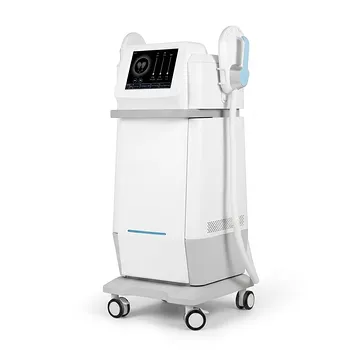
Cryolipolysis reduces localized fat by controlled cooling, not by causing general weight loss. The device extracts heat from a targeted layer of subcutaneous fat, making adipocytes more vulnerable to cold-induced injury than the surrounding skin, nerves, and muscle. This triggers adipocyte apoptosis, after which the body gradually clears the damaged cells over the following weeks to months.
Cryolipolysis is a body-contouring treatment for localized fat deposits in suitable patients, not a treatment for obesity. It should be avoided during pregnancy and in patients with cold-sensitivity disorders, impaired circulation, certain skin conditions, or structural problems near the treatment area.
How Cryolipolysis Produces Fat Reduction
Controlled Cooling Targets Subcutaneous Fat
A cryolipolysis applicator cools a selected area of subcutaneous adipose tissue in a controlled and monitored way. The treatment is designed to affect superficial fat while limiting injury to the overlying skin and deeper structures.
Adipocytes contain substantial lipid content and are more susceptible to cold-induced cellular injury than surrounding water-rich tissues such as skin, nerves, and muscle.
Cold Exposure Injures Adipocytes Selectively
Sufficient cooling can cause lipid crystallization and other cellular changes within fat cells. This creates a localized inflammatory response and initiates apoptosis, or programmed cell death.
The intended result is selective damage to adipocytes rather than uncontrolled freezing of the entire treatment area. The exact safety profile depends on the device, applicator, treatment parameters, and correct clinical use.
The Body Clears the Damaged Cells Gradually
After treatment, the body processes and removes the affected cells through normal inflammatory, metabolic, and lymphatic pathways. This clearance does not occur immediately.
Visible contour changes typically develop progressively over several weeks to months. The result is a reduction in the thickness or volume of the treated fat layer, rather than a major change in total body weight.
Who Is Cryolipolysis Intended For?
Patients With Localized Fat Deposits
Cryolipolysis is intended for people with pinchable, localized deposits of subcutaneous fat that remain despite appropriate diet and exercise. Common treatment areas include the abdomen, flanks, back, thighs, upper arms, and submental region.
It is a contouring procedure for specific areas, not a comprehensive treatment for excess body weight.
Patients Near Their Target Weight
The most appropriate candidates are generally near a stable, healthy target weight and have realistic expectations about the degree of improvement. The treatment is better suited to refining body contours than producing broad weight reduction.
A clinician should assess whether the visible fullness is caused by subcutaneous fat. Cryolipolysis is not designed to treat visceral fat located around internal organs, muscle enlargement, loose skin, or every cause of abdominal prominence.
Patients With Realistic Expectations
Cryolipolysis produces gradual, localized change. It does not provide the same degree of fat removal as surgical liposuction, and some patients may require more than one treatment or may see limited improvement.
A proper consultation should address the treatment area, skin quality, fat distribution, expected timeline, and available alternatives.
Which Patient Populations Are Contraindicated?
Patients With Cold-Sensitivity Disorders
Cryolipolysis should not be used in patients with conditions that cause abnormal reactions to cold, including:
- Cold urticaria
- Cryoglobulinemia
- Paroxysmal cold hemoglobinuria
- Severe Raynaud’s phenomenon
- Other clinically significant cold-intolerance or cold-induced blood disorders
Cooling may provoke an exaggerated inflammatory, vascular, or blood-cell response in these patients.
Patients With Compromised Peripheral Circulation
Patients with impaired circulation in the treatment area may be at increased risk of cold injury or delayed recovery. Relevant vascular disease, severe peripheral vascular compromise, or other circulation problems require careful medical assessment.
The treatment should not proceed when tissue perfusion is inadequate or the clinician cannot establish that cooling can be used safely.
Pregnant Patients
Cryolipolysis is contraindicated during pregnancy. Elective body-contouring treatment should be postponed, and any medical concerns should be discussed with the patient’s obstetric clinician.
Treatment during breastfeeding or after delivery may also require individualized assessment according to the device labeling and clinical circumstances.
Patients With Skin Lesions or Open Wounds
The target area should not contain active dermatological lesions, infection, significant inflammation, open wounds, or compromised skin integrity. Cooling an already damaged area can increase the risk of injury and interfere with healing.
The procedure should be delayed until the skin has recovered and the underlying condition has been evaluated.
Patients With Hernias Near the Treatment Zone
An abdominal-wall hernia near the intended treatment area is a contraindication or requires specific specialist assessment, depending on the device and clinical protocol. Applying suction or cooling over a hernia may increase procedural risk.
A suspected or known hernia should be evaluated before treatment rather than treated as ordinary localized fat.
Patients Whose Fat Is Not Appropriate for the Device
Cryolipolysis is not appropriate when the apparent treatment target is primarily visceral fat, substantial generalized obesity, loose skin, or a non-fat mass. Obesity is best understood as a limitation of indication and candidacy, not simply as a condition that can be addressed by treating more areas.
Patients seeking comprehensive weight loss should receive evidence-based obesity management rather than rely on localized body-contouring technology.
Understanding the Trade-offs
It Is Not a Weight-Loss Treatment
Removing or reducing a localized fat layer does not treat the metabolic causes or health risks associated with obesity. Body weight may change little even when the treated contour improves.
Patients should be directed toward nutrition, physical activity, behavioral care, and medical or surgical weight-management options when those are clinically indicated.
Results Are Gradual and Variable
The body clears damaged adipocytes over time, so the final result cannot be judged immediately after treatment. Response varies with treatment area, fat thickness, device parameters, anatomy, and individual biology.
The procedure also does not prevent future enlargement of remaining fat cells if a patient gains weight.
Adverse Effects Are Possible
Temporary redness, swelling, bruising, tenderness, numbness, tingling, or firmness can occur after treatment. Incorrect settings, poor applicator placement, or inadequate skin protection can contribute to localized cold injury.
A rare but important complication is paradoxical adipose hyperplasia, in which the treated fat area enlarges rather than decreases. It may appear months after treatment and can require additional management.
Device-Specific Screening Matters
Contraindications and precautions differ somewhat among manufacturers and applicators. Patient selection should follow the specific device’s approved labeling, treatment protocol, and local regulatory requirements.
A trained clinician should review medical history, medications, circulation, cold sensitivity, skin condition, anatomy, and the exact treatment area before proceeding.
Making the Right Choice for Your Goal
Cryolipolysis is most defensible when the patient’s objective, anatomy, and medical history match the treatment’s limited role.
- If your primary focus is localized contour improvement: Consider cryolipolysis only for discrete, pinchable subcutaneous fat deposits with realistic expectations about gradual results.
- If your primary focus is general weight loss or obesity treatment: Use a comprehensive, evidence-based weight-management plan rather than localized cooling.
- If your primary focus is treatment safety: Obtain screening for cold-sensitivity disorders, circulation problems, skin disease, wounds, pregnancy, and hernias near the treatment zone.
- If your primary focus is correcting loose skin or visceral fat: Seek an assessment for treatments designed for those conditions, because cryolipolysis does not directly address either problem.
Cryolipolysis is a selective fat-reduction procedure whose safety depends as much on appropriate patient screening as on the cooling technology itself.
Summary Table:
| Aspect | Key Points |
|---|---|
| Mechanism | Controlled cooling triggers adipocyte apoptosis, which the body gradually clears, reducing localized fat layer thickness. |
| Indications | Localized, pinchable subcutaneous fat deposits in patients near a healthy target weight. |
| Contraindications | Cold sensitivity, poor circulation, pregnancy, skin lesions, hernias, and inappropriate fat types. |
| Timeline | Results appear gradually over weeks to months; not a weight-loss treatment. |
| Risks | Temporary side effects; rare paradoxical adipose hyperplasia; requires device-specific screening. |
Ensure safe and effective cryolipolysis treatments in your clinic with BELIS's professional-grade aesthetic equipment. Our portfolio includes advanced cooling devices and comprehensive solutions for body contouring, laser systems, and more. Empower your practice with reliable technology and expert support. Contact us today to learn how BELIS can elevate your services.#ContactForm
Related Products
- Cryolipolysis Fat Freezing Machine Cavitation Lipo Laser Machine
- Cryolipolysis Fat Freezing Machine Ultrasonic Cavitation Fat Reducing Device
- Cryolipolysis Fat Freezing Machine and Ultrasonic Cavitation Device
- Cryolipolysis Cavitation Machine Fat Cavitation Machine
- Fat Freezing Cryolipolysis Machine for Body Contouring
People Also Ask
- What are the main benefits of using a fat freezing machine? Achieve Permanent, Non-Surgical Body Sculpting
- What is the recommended treatment course for different body parts using the cryolipolysis machine? Expert Fat Loss Tips
- What is the recommended treatment duration for different body parts using the cryolipolysis machine? Expert Timing Tips
- What are the potential side effects and risks associated with fat freezing? Safety Profile & Rare Risks Explained
- Do fat freezing machines really work? Achieve Non-Invasive Body Contouring