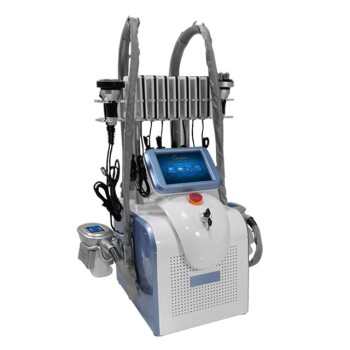
The total cost of cavitation and radiofrequency treatments is rarely a single, fixed fee; rather, it is a variable figure influenced by three main drivers. The final price you pay depends heavily on the total number of sessions needed to see results, the specific quality of the equipment the clinic uses, and the geographical location of the provider.
While these non-invasive options are typically more cost-effective than surgery, the true financial commitment is determined by the cumulative price of multiple visits and the caliber of the technology employed.
Key Determinants of Pricing
The Volume of Sessions
Unlike surgical procedures which are often "one-and-done," these treatments are cumulative.
The most significant cost factor is the total number of sessions required to achieve your desired outcome. Because results appear gradually, you must budget for a full course of treatment rather than a single visit.
Equipment Caliber and Quality
Not all aesthetic machines are created equal.
Clinics investing in high-end, medical-grade technology often charge more per session. However, superior equipment quality can lead to more efficient treatments and potentially fewer sessions overall.
Geographic Market Factors
Where you receive treatment matters as much as the treatment itself.
The geographical location of the clinic plays a major role in pricing. Providers in major metropolitan areas or high-rent districts typically have higher overhead costs, which are reflected in their service fees.
Understanding the Value Proposition
Paying for Targeted Fat Reduction
When paying for cavitation, you are investing in a specific mechanism of action.
This technology uses ultrasonic sound waves to break down fat cells. It is specifically ideal for reducing stubborn fat pockets in areas like the abdomen and thighs.
Paying for Skin Tightening
Radiofrequency (RF) offers a different value, often priced similarly but for a different biological goal.
RF uses heat to stimulate collagen production. The value here lies in skin tightening, improved firmness, and the reduction of wrinkles rather than volume loss.
Cost Efficiency vs. Surgery
It is important to view these costs in context.
Despite the need for multiple sessions, both cavitation and radiofrequency are typically more cost-effective than surgical options. They avoid the high costs associated with anesthesia, operating rooms, and post-surgical recovery.
Understanding the Trade-offs
The "Session Economy"
While the entry price per session may look low, the total cost adds up.
A common pitfall is budgeting for a single session and expecting dramatic changes. You must weigh the cumulative cost of 6 to 10 sessions against the price of a single surgical intervention to get an accurate financial comparison.
Quality vs. Price
Opting for the cheapest provider can be a false economy.
Low-cost clinics may use underpowered equipment. This often results in the need for more sessions to achieve the same result you might get in fewer visits at a higher-priced, better-equipped facility.
Making the Right Choice for Your Goal
To ensure your investment aligns with your expectations, evaluate your primary needs:
- If your primary focus is fat reduction: Prioritize clinics with high-quality ultrasonic equipment, as the effectiveness of fat cell breakdown is heavily dependent on the power and precision of the machine.
- If your primary focus is skin texture and firmness: Budget for a radiofrequency plan, noting that collagen stimulation is a gradual process that strictly requires adherence to a multi-session schedule.
Ultimately, the smartest financial approach is to calculate the total package price rather than the per-session fee.
Summary Table:
| Pricing Factor | Influence Level | Impact on Cost | Why it Matters |
|---|---|---|---|
| Session Volume | High | Cumulative total cost increases | Results are gradual; multiple treatments are mandatory. |
| Equipment Quality | Medium-High | Higher per-session price | Professional-grade tech yields faster, more reliable results. |
| Clinic Location | Medium | Variable based on local overhead | Urban centers and high-rent districts charge a premium. |
| Treatment Area | Variable | Depends on surface area | Larger areas like thighs/abdomen require more time and energy. |
Elevate Your Clinic with BELIS Professional Aesthetic Technology
Are you looking to provide your clients with the best results while optimizing your ROI? BELIS specializes in providing premium, professional-grade medical aesthetic equipment exclusively for clinics and high-end salons.
Our advanced portfolio includes everything your business needs to stay competitive:
- Body Sculpting Solutions: High-performance RF Cavitation, EMSlim, and Cryolipolysis systems.
- Advanced Laser Systems: Diode Hair Removal, CO2 Fractional, Nd:YAG, and Pico lasers.
- Skin & Specialized Care: HIFU, Microneedle RF, Hydrafacial systems, and high-precision skin testers.
Don't let inferior equipment limit your clinic's potential. Partner with BELIS to offer superior fat reduction and skin tightening treatments that keep your customers coming back.
Ready to upgrade your services? Contact us today to receive a custom quote!
Related Products
- Ultrasonic Cavitation Radiofrecuency Machine for Body Slimming
- Cryolipolysis Fat Freezing Machine and Ultrasonic Cavitation Device
- Cryolipolysis Fat Freezing Machine Cavitation Lipo Laser Machine
- Cryolipolysis Fat Freezing Machine with Cavitation and Laser Lipolysis
- Cryolipolysis Fat Freezing Cavitation Lipo Laser Machine
People Also Ask
- What are the pros and cons of the ultrasonic cavitation slimming treatment? A Guide to Painless Body Contouring
- Does an ultrasonic cavitation machine also tighten the skin? Achieve Total Body Contouring with RF Synergy
- How does radiofrequency technology in slimming machines promote fat reduction? The Science of Non-Invasive Sculpting
- How should one prepare for an ultrasonic cavitation appointment? 5 Essential Tips for Maximum Fat Loss Results
- What areas of the body are targeted for ultrasonic cavitation? Best Zones for Effective Body Contouring