Surgical fat extraction commonly causes seromas, hematomas, severe bruising, prolonged firmness, skin injury, and contour irregularities. These complications arise because cannulas mechanically disrupt blood vessels, lymphatic channels, connective tissue, and sometimes the skin’s blood supply. Non-invasive body sculpting reduces these procedure-related risks by treating localized fat or muscle through intact skin, without incisions, aspiration, tissue undermining, or tumescent anesthesia.
The central difference is tissue disruption: surgical fat extraction removes fat mechanically and can injure vessels and lymphatics, while non-invasive modalities act through controlled cooling, thermal or acoustic energy, or electromagnetic stimulation. They substantially reduce surgical soft-tissue complications, although they do not make every possible treatment-related adverse effect impossible.
Why Surgical Fat Extraction Causes Soft-Tissue Complications
Seromas and Lymphatic Effusions
A seroma is a collection of clear fluid that forms when surgical manipulation damages lymphatic channels or creates a potential space beneath the skin. Large treatment areas, aggressive tissue displacement, and flap undermining can increase this risk.
Treatment may require repeated aspiration, prolonged compression, and monitoring for infection. Recovery can therefore extend well beyond the initial procedure.
Hematomas and Severe Bruising
Cannulas can damage small and larger blood vessels within highly vascularized fat compartments. Blood may collect as a localized hematoma, while smaller-volume bleeding produces extensive bruising and swelling.
Large hematomas can be painful, delay healing, and occasionally require drainage. Compression and follow-up care are often necessary.
Prolonged Induration and Swelling
Postoperative induration refers to firm, thickened tissue caused by edema, inflammation, fibrosis, and healing. After extensive fat extraction, firmness and swelling may persist for months, with some tissue changes lasting up to six months or longer.
This can make the treated area feel uneven before the final contour becomes apparent. Full resolution of edema and tissue healing may take substantially longer than the initial recovery period.
Skin Necrosis and Blood-Supply Injury
Excessively superficial suction or disruption of the subdermal vascular plexus can compromise skin perfusion. In severe cases, this may cause skin necrosis, meaning part of the skin loses its blood supply and dies.
The risk becomes more concerning in previously operated or heavily scarred tissue, where fibrosis and altered circulation may already limit healing.
Contour Irregularities and Depressions
Uneven cannula movement or excessive suction in one region can remove fat inconsistently. The result may be rippling, depressions, asymmetry, or unnatural transitions between treated and untreated areas.
Correcting significant deformities may require revision surgery, fat grafting, or surgical flap procedures. This is a direct consequence of mechanically removing tissue rather than gradually reducing a localized fat layer.
How Non-Invasive Modalities Reduce These Risks
Cryolipolysis Avoids Mechanical Tissue Removal
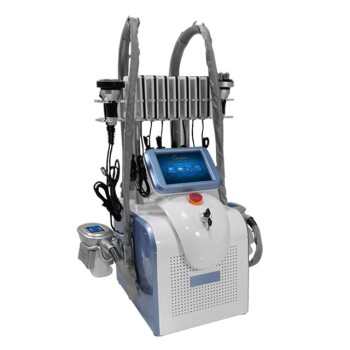
Cryolipolysis uses controlled cooling to affect susceptible subcutaneous fat cells while the skin and surrounding structures remain intact. Because there is no cannula passage or fat aspiration, it avoids the tissue cavities and mechanical vessel disruption that contribute to seromas and hematomas.
It also eliminates the need for large-volume tumescent fluid infiltration and surgical anesthesia. The treatment still requires appropriate patient selection and device use, because temporary tenderness, numbness, swelling, or other local reactions can occur.
RF and Acoustic-Based Treatments Avoid Incisions
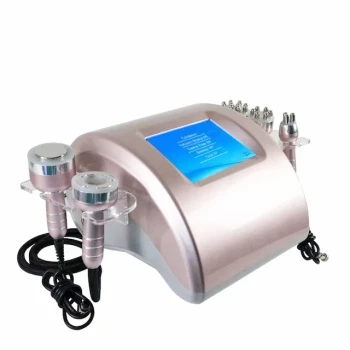
Radiofrequency-based and acoustic or cavitation-based systems deliver energy through the skin to target localized adipose tissue. They do not require skin undermining, surgical dissection, or direct manipulation of the superficial fascial system.
As a result, they substantially reduce risks associated with open wounds, cannula trauma, lymphatic disruption, and postoperative fluid collections. Treatment response and results vary by device, treatment protocol, and the patient’s tissue characteristics.
Electromagnetic Stimulation Targets Muscle Activity
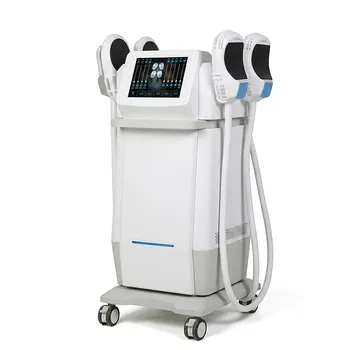
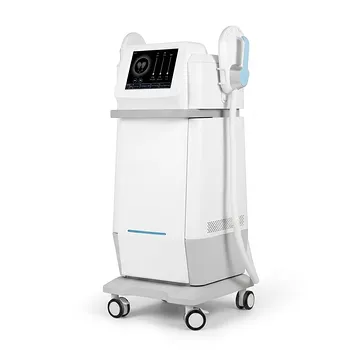
High-intensity electromagnetic muscle stimulation induces repeated muscle contractions without removing tissue. Its primary role is often muscle conditioning and contour enhancement rather than surgical fat extraction.
Because it does not involve incisions, aspiration, or tissue displacement, it avoids procedure-related seromas, hematomas, skin necrosis from cannula injury, and surgical contour depressions. Local muscle soreness or discomfort may still occur.
Risks That Non-Invasive Treatment Removes
No Surgical Fluid Collections
Without cannula-created spaces or substantial lymphatic disruption, non-invasive treatment removes the principal mechanisms behind surgical seromas and postoperative lymphatic effusions. Patients generally do not need aspiration or prolonged compression for a surgical fluid pocket.
No Incision-Related Infection or Wound Healing
Intact skin means there is no surgical wound requiring closure and no incision through which bacteria can enter. This reduces the risks of wound infection, delayed closure, and necrotizing surgical infection associated with invasive procedures.
It does not mean the skin has no safety considerations. Energy-based devices can still cause burns or other local injury if used incorrectly or on unsuitable patients.
No Tumescent Anesthesia or Large Fluid Shifts
Non-invasive modalities do not require high-volume infiltration of lidocaine, epinephrine, or saline into the treatment area. They therefore avoid complications related to anesthetic toxicity, inaccurate fluid balance, blood loss, and fluid overload from the surgical process.
They also avoid the physiologic demands associated with large-volume aspiration and prolonged anesthesia.
Less Recovery-Related Circulatory Risk
Patients undergoing non-invasive treatment are not exposed to the same combination of surgical trauma, anesthesia, venous stasis, and prolonged postoperative immobility. This lowers procedure-related concern for complications such as deep vein thrombosis and pulmonary embolism.
The reduction is not equivalent to eliminating all systemic medical risk. The patient’s health status and the modality’s contraindications still need to be assessed.
Understanding the Trade-offs
Non-Invasive Does Not Mean Risk-Free
Cryolipolysis, RF or acoustic treatments, and electromagnetic stimulation can produce temporary pain, redness, swelling, bruising, numbness, or muscle soreness. Energy-based treatments may also cause thermal injury when treatment parameters, applicator contact, or patient selection are inappropriate.
The correct claim is that these modalities avoid many surgical mechanisms of injury, not that they are incapable of causing adverse effects.
Results Are More Gradual and Limited
Surgical extraction can remove a larger volume of fat during one procedure. Non-invasive treatments generally address localized deposits progressively and may require multiple sessions.
They are intended for contour refinement rather than major weight reduction. Expectations should match the amount of fat, skin laxity, and muscle definition that the selected modality can realistically influence.
Patient Selection Still Matters
Treatment should account for body composition, skin condition, medical history, implanted devices, sensation, circulation, and the specific contraindications of each platform. A non-invasive approach is not automatically appropriate for every patient.
Qualified assessment and adherence to the device manufacturer’s protocol remain essential to preserve the safety advantage.
Choosing the Right Approach for Your Goal
The practical choice depends on whether the priority is gradual contouring, muscle enhancement, or maximum single-session fat removal.
- If your primary focus is reducing localized fat without surgery: Consider a qualified cryolipolysis or energy-based treatment, recognizing that results are gradual and may require more than one session.
- If your primary focus is avoiding seromas, hematomas, and prolonged wound recovery: Choose a modality that treats through intact skin and does not involve aspiration, incisions, or tissue undermining.
- If your primary focus is improving muscle definition: Electromagnetic muscle stimulation may be relevant, provided the patient meets the device’s safety requirements.
- If your primary focus is substantial fat-volume removal in one procedure: Surgical extraction may provide greater immediate reduction, but its vascular, lymphatic, anesthetic, healing, and contour risks require formal surgical evaluation.
Understanding how each treatment interacts with tissue is the clearest way to balance contouring goals against procedural risk.
Summary Table:
| Complication | Surgical Fat Extraction | Non-Invasive Modalities |
|---|---|---|
| Seromas & lymphatic effusions | High risk due to tissue disruption | Eliminated (no tissue disruption) |
| Hematomas & severe bruising | High risk due to vessel damage | Eliminated (no cannula trauma) |
| Prolonged induration & swelling | Common, may last months | Rare, temporary local reactions only |
| Skin necrosis & blood supply injury | Possible with superficial suction | Eliminated (intact skin) |
| Contour irregularities & depressions | Possible due to uneven fat removal | Reduced (gradual fat reduction) |
Elevate your clinic's body contouring offerings with BELIS's advanced non-invasive solutions. Our portfolio includes cryolipolysis, RF and acoustic devices, and electromagnetic muscle stimulation, designed to help you achieve superior patient outcomes while minimizing procedural risks. Whether you're a clinic seeking safe and effective treatments or a distributor looking for a trusted partner, BELIS provides certified devices, OEM/ODM support, and reliable supply. Discover how BELIS can transform your practice—contact our experts today to learn more about our innovative technologies and partnership opportunities.
Related Products
- EMSlim RG Laser Body Sculpting and Slimming Machine
- EMS Body Sculpting Slimming Machine EMSlim Body Slimming Machine
- EMSlim Neo Nova Body Sculpting EMS Sculpting Machine
- EMS Body Sculpting Machine for Body Slimming and Sculpting
- EMSlim Body Slimming Machine for Muscle Building and Beauty
People Also Ask
- How long does it take to see results from EMSlim? A Realistic Timeline for Lasting Body Contouring
- Can I do EMSlim everyday? Why Daily Sessions Can Hinder Your Results
- How do these treatments improve muscle definition? Unlock the Science of Advanced Body Sculpting
- How does this body contouring treatment achieve muscle toning and shaping? Unlock High-Efficiency Sculpting Results
- Value of EMSlim & Cryolipolysis for Acne with Obesity? Improve Metabolic Health and Results