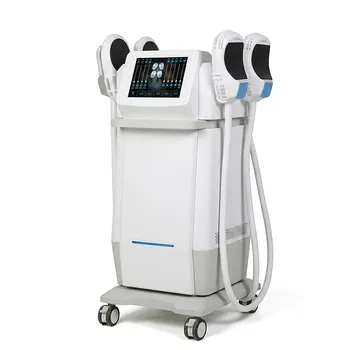
Broad-spectrum IPL systems offer greater clinical versatility and treatment speed than single-wavelength lasers, but they provide less wavelength and tissue selectivity. By using cutoff filters and adjustable pulse parameters across a broad range, typically about 500–1200 nm, IPL can address superficial pigmentation, diffuse redness, and generalized photoaging in the same treatment session. Single-wavelength lasers are usually more precise for a defined chromophore, depth, lesion, or pulse requirement.
IPL is best suited to broad, mixed, superficial treatment goals across large areas. Single-wavelength lasers are generally preferable when maximum chromophore specificity, depth control, or precision is more important than versatility.
Why IPL Is Clinically Versatile
Multiple Chromophores in One System
IPL emits non-coherent, polychromatic light rather than one monochromatic wavelength. With appropriate filters, energy can interact with melanin and hemoglobin, allowing treatment of superficial pigmentation, telangiectasia, diffuse erythema, and photoaging-related changes.
This is useful when a patient presents with several overlapping concerns, such as uneven tone, facial redness, and sun-related texture changes.
Broad-Spectrum Photorejuvenation
IPL can improve the overall appearance of photodamaged skin by treating mottled superficial pigmentation and vascular irregularities together. The result is a generalized non-ablative rejuvenation effect rather than the highly localized correction associated with some dedicated lasers.
IPL is therefore particularly relevant when the clinical objective is improved skin tone and visible uniformity across a facial or body treatment zone.
Adjustable Spectral and Pulse Parameters
Operators can modify treatment behavior through cutoff filters, fluence, pulse duration, pulse sequencing, and cooling. These settings influence which targets receive useful energy and how much heat is allowed to diffuse through the tissue.
Multiple-pulse configurations can also help manage different vessel sizes by separating energy delivery with controlled delays. The precise settings remain device- and patient-dependent.
Why IPL Can Improve Clinic Efficiency
Large Treatment Spots
IPL handpieces commonly use large light spots, allowing operators to cover broad facial or body areas quickly. This can reduce treatment time for diffuse photodamage compared with systems designed around smaller, highly focused laser spots.
The efficiency is most valuable when treating widespread, relatively superficial findings rather than isolated lesions.
One Platform for Several Indications
A single IPL platform may support photorejuvenation, superficial vascular treatment, pigment correction, and, depending on the device and regulatory authorization, hair reduction or photodynamic applications.
This consolidation can reduce the need to maintain separate systems for every broad-area indication. It does not eliminate the clinical need for dedicated lasers when a condition requires greater specificity.
Mixed-Target Treatment Sessions
Because IPL can address melanin and hemoglobin within one treatment strategy, it may allow a clinician to treat mixed pigmentary and vascular features without changing to a different laser platform.
That convenience is a clinical and operational advantage, provided the selected filter and parameters are appropriate for every relevant target and for the patient’s epidermal risk.
Where Single-Wavelength Lasers Have the Advantage
Greater Chromophore Selectivity
A single-wavelength laser concentrates energy around a defined wavelength chosen for a specific target. This generally provides more predictable selectivity than a broad emission containing multiple wavelengths.
That precision matters when treating a discrete vascular lesion, a deeper target, or a resistant condition that requires a narrowly matched wavelength.
Better Control of Treatment Depth
Dedicated systems such as long-pulsed Nd:YAG or Alexandrite lasers can be selected for targets at particular depths. Their wavelength and pulse design may allow more effective treatment of deeper or larger structures than a general IPL configuration.
IPL is usually more effective for superficial, diffuse findings than for deep, localized, or structurally complex lesions.
More Specialized Pulse Delivery
Laser systems can offer tailored pulse durations, ultrashort pulses, and precise spot sizes suited to the target’s thermal relaxation behavior. This can improve selective injury while limiting unwanted thermal diffusion into surrounding tissue.
For conditions such as dark tattoos, dermal nevi, or isolated vascular anomalies, a dedicated laser may therefore be clinically superior.
Understanding the Trade-offs
Less Precise Spectral Targeting
IPL’s broad output is its source of flexibility, but it is also a limitation. Not all emitted wavelengths contribute equally to the desired clinical effect, and some energy can be absorbed by competing chromophores or surrounding tissue.
The operator must use filters and parameters carefully rather than assuming that a broad spectrum automatically produces safer or better treatment.
Epidermal Heating Risk
When treating deeper targets with long pulses or high infrared output, IPL can deliver unwanted heat to the epidermis. This risk is especially important when epidermal melanin competes with the intended target for absorption.
Filter selection, fluence, pulse timing, skin-type assessment, and epidermal cooling are central to reducing thermal injury and post-treatment dyspigmentation.
Increased Risk in Higher-Melanin Skin
IPL is not universally safer across all skin types. Because melanin absorbs a substantial portion of the broad spectrum, patients with more epidermal melanin may have a narrower safety margin, particularly at high fluence or with unsuitable filters.
Treatment should be individualized, and conservative parameter selection or an alternative wavelength-specific approach may be more appropriate in some cases.
Less Ergonomic Around Small Contours
IPL handpieces often have larger heads and treatment windows than focused laser devices. That improves speed on broad surfaces but can make accurate placement more difficult around the nose, eyelids, lips, and other small facial contours.
This limitation can affect coverage precision and operator comfort, even when the system is clinically suitable.
Multiple Sessions May Still Be Necessary
IPL’s ability to address several concerns at once does not mean that every lesion will resolve in one session. Diffuse pigmentation, vascular changes, and texture irregularities may respond at different rates and may require a treatment series.
A single session can be efficient without being definitive.
Choosing the Appropriate Platform
Match the Device to the Treatment Pattern
IPL is strongest when the problem is broad, superficial, and mixed, such as generalized photoaging with diffuse redness and superficial pigmentation. A single-wavelength laser is stronger when the problem is localized, deep, resistant, or highly specific.
The correct comparison is therefore not whether IPL or lasers are universally better, but whether the device’s energy profile matches the target’s wavelength preference, depth, size, and thermal relaxation time.
Match the Parameters to the Patient
Skin type, baseline pigmentation, lesion characteristics, treatment area, and cooling capability should guide filter and parameter selection. Fluence and pulse settings must be chosen to produce adequate target heating without excessive epidermal exposure.
Operator training and consistent treatment protocols are as important as the nominal wavelength range of the equipment.
Evaluate the Operational Workflow
Clinics should assess treatment speed, handpiece ergonomics, cooling requirements, consumables, maintenance, and the range of indications they actually perform. IPL can provide strong platform efficiency when many patients need large-area, multi-target treatments.
A clinic that frequently treats deep or discrete lesions may still need dedicated laser systems despite the broader versatility of IPL.
Making the Right Choice for Your Goal
The most defensible choice depends on the target profile and the clinic’s workflow.
- If your primary focus is generalized photorejuvenation: Choose IPL when diffuse pigmentation, redness, and overall tone improvement are the main goals across large treatment areas.
- If your primary focus is precise lesion treatment: Favor a single-wavelength laser when the target is localized, deep, resistant, or requires highly specific pulse and spot-size control.
- If your primary focus is clinic versatility: IPL can consolidate several superficial and mixed-target indications in one platform, provided the system has appropriate filters and trained operators.
- If your primary focus is treating higher-melanin skin safely: Prioritize individualized assessment, conservative parameters, cooling, and wavelength-specific alternatives when IPL’s epidermal absorption creates too narrow a safety margin.
- If your primary focus is operational throughput: IPL’s large spots and rapid repetition can improve coverage speed, while laser systems may offer greater precision at the cost of slower treatment over broad areas.
The right platform is the one whose spectral selectivity, depth control, ergonomics, and workflow align with the patients and lesions your clinic treats most often.
Summary Table:
| Aspect | Broad-Spectrum IPL | Single-Wavelength Lasers |
|---|---|---|
| Wavelength | Polychromatic (500–1200 nm) | Monochromatic (specific nm) |
| Chromophore Selectivity | Low (multiple targets) | High (specific target) |
| Treatment Depth Control | Limited (superficial) | Excellent (variable depth) |
| Treatment Speed | Fast (large spot) | Slower (smaller spot) |
| Versatility | High (multiple indications) | Low (specialized) |
| Epidermal Risk in Darker Skin | Higher (broad absorption) | Lower (if wavelength chosen) |
| Ideal Applications | Superficial pigmentation, diffuse redness, photoaging | Discrete vascular lesions, deep pigmentation, tattoos |
Elevate your clinic's capabilities with advanced IPL and laser systems from BELIS. Our professional-grade equipment is designed for clinics and premium salons, offering precision and versatility across photorejuvenation, vascular, and pigmented lesions. Whether you need to boost treatment efficiency or expand your service menu, we provide solutions with certified safety and global support. Contact our experts today to find the perfect device for your practice. Contact us for a personalized consultation.
Related Products
- IPL SHR+Radio frecuency machine
- IPL SHR Hair Removal Machine for Permanent Hair Removal
- Professional IPL SHR Hair Removal Machine for Laser and IPL Hair Removal
- Diode Laser SHR Trilaser Hair Removal Machine for Clinic Use
- Trilaser Diode Hair Removal Machine for Beauty Clinic Use
People Also Ask
- In what ways is an IPL SHR machine considered a cost-effective solution for hair removal? Maximize Your Clinic's ROI
- What is the typical downtime and recovery period associated with IPL SHR treatments? Zero-Downtime Guide
- What types of skin rejuvenation concerns can be addressed using IPL SHR machines? Master Photofacials & Anti-Aging
- What factors contribute to the speed and efficiency of IPL SHR treatments for large body areas? Boost Clinic Throughput
- What are the technical advantages of using the SHR mode in IPL systems? Discover Pain-Free, Safe Hair Removal