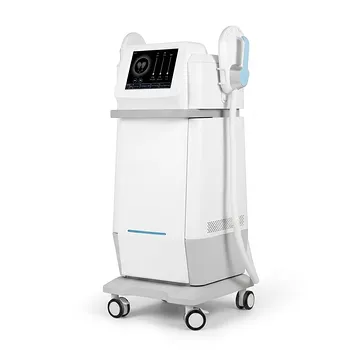
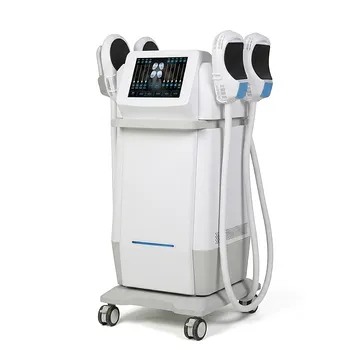
Professional body shaping and cellulite reduction equipment primarily uses light and laser energy, radiofrequency, focused ultrasound, controlled cooling, and mechanical vacuum massage. These modalities work by heating, cooling, mechanically disrupting, or stimulating adipose tissue and connective tissue. Skin tightening, fat reduction, and cellulite improvement usually require different mechanisms, so professional systems often combine several technologies.
The central takeaway: No single energy source addresses every cause of cellulite or body-shape irregularity. Effective equipment matches the modality to the target: fat cells, lax skin, fibrous connective tissue, fluid retention, or surface texture.
How the Main Energy Sources Work
Diode Laser and Nd:YAG Light Energy
Diode laser systems may use wavelengths such as 650 nm or 808 nm, while Nd:YAG systems commonly use 1064 nm energy. These wavelengths deliver light into targeted tissue, where the intended biological response depends on the device’s power, wavelength, treatment duration, and applicator design.
The proposed effects include influencing adipocyte activity, supporting localized lipolysis, and producing controlled thermal stimulation. In some systems, light energy is combined with vacuum massage to address both tissue heating and mechanical manipulation.
Radiofrequency Tissue Heating
Radiofrequency, or RF, generates heat through electrical resistance within biological tissue. Monopolar, bipolar, multipolar, and fractional configurations differ in how the current travels and where thermal energy is concentrated.
Controlled RF heating can stimulate dermal collagen remodeling and contraction. It may also increase local tissue temperature and support changes in the appearance of lax skin and cellulite-related irregularities.
Focused and Nonfocused Ultrasound
Ultrasound systems use sound-wave energy rather than electromagnetic radiation. High-Intensity Focused Ultrasound, or HIFU, concentrates energy at selected depths to create thermal effects and, depending on the system, disrupt targeted fat structures.
Lower-intensity or nonfocused ultrasound may produce mechanical effects commonly described as cavitation. These effects are intended to influence adipose tissue and surrounding fluid movement, although outcomes depend heavily on the device and treatment protocol.
Controlled Cooling
Cryolipolysis uses controlled cooling to selectively stress and damage subcutaneous fat cells while aiming to preserve the surrounding skin and tissues. The affected cells are then gradually processed and removed through the body’s natural clearance mechanisms.
Cryolipolysis is primarily a fat-reduction modality. It does not directly tighten lax skin or correct the fibrous structural causes of cellulite, so it may be paired with other technologies when those concerns are present.
Low-Intensity Light and Nonablative Lasers
Low-intensity light therapy and nonablative laser systems use light at energy levels intended to stimulate cellular responses without removing the skin’s surface. These systems may alter adipocyte membrane permeability or influence cellular metabolism.
Their role is generally more supportive than destructive. They are often used as part of a broader treatment plan rather than as a standalone solution for substantial fat reduction.
The Mechanical Mechanisms That Support Energy Treatment
Vacuum-Assisted Tissue Manipulation
Vacuum applicators use suction to lift and mobilize the skin and subcutaneous tissue. This mechanical action can temporarily improve circulation, support fluid movement, and help manipulate fibrous tissue.
When combined with laser or RF energy, vacuum massage may improve applicator contact and expose different tissue layers to mechanical and thermal stimulation. It is not itself an energy source in the same sense as RF or ultrasound, but it is an important treatment mechanism.
Massage and Lymphatic Fluid Movement
Mechanical massage is used to encourage localized circulation and lymphatic drainage. This may help reduce the visual contribution of fluid retention and improve the short-term smoothness of the treated area.
These effects should be distinguished from permanent fat-cell reduction. Changes caused primarily by fluid movement may be temporary or require maintenance treatments.
Connective Tissue Remodeling
Cellulite is not simply excess fat. It also involves fibrous septae, dermal laxity, fluid retention, and changes in the connective-tissue matrix.
RF heating, laser-based thermal stimulation, ultrasound, and mechanical manipulation may support collagen remodeling and improve the tension or organization of connective tissue. This is why cellulite-focused protocols often combine skin tightening with tissue massage rather than relying on fat reduction alone.
How Equipment Targets Different Body-Shaping Goals
Localized Fat Reduction
Fat-focused systems aim to affect adipocytes through controlled heating, cooling, light stimulation, ultrasound-related mechanical disruption, or focused acoustic energy.
The body must subsequently process the affected cellular material. Results are therefore gradual, localized, and dependent on the specific technology, treatment area, and individual response.
Skin Tightening
Skin-tightening treatments primarily rely on controlled thermal energy. RF is particularly associated with heating the dermis and stimulating collagen contraction and remodeling.
Some laser and ultrasound systems also create thermal stimulation at selected tissue depths. The intended result is improved skin firmness, not necessarily a major reduction in the underlying fat layer.
Cellulite Appearance
Cellulite reduction requires attention to the tissue structures that create dimpling and uneven texture. RF, laser energy, ultrasound, vacuum massage, and mechanical massage may be combined to address collagen structure, fibrous tissue tension, circulation, fluid retention, and localized adipose volume.
The objective is usually visual smoothing, not complete elimination of cellulite. Cellulite can recur or remain partially visible because its development is influenced by anatomy, hormones, connective-tissue structure, and fat distribution.
Combined Body Contouring
Many professional platforms combine optical or infrared light, RF, ultrasound, and mechanical manipulation in one system. This allows practitioners to target several contributors to an irregular body contour in the same treatment plan.
Combination systems can be useful when a patient has both localized fat and skin laxity, or when cellulite includes structural and fluid-related components. The devices still require appropriate parameter selection and treatment sequencing.
Understanding the Trade-offs
More Energy Does Not Mean Better Results
Increasing energy intensity does not automatically improve outcomes. Excessive heating, cooling, or acoustic exposure can raise the risk of pain, burns, tissue injury, or uneven results.
Professional use depends on controlled parameters, tissue depth, applicator design, skin temperature monitoring, and patient selection.
Fat Reduction and Cellulite Treatment Are Different
A device may reduce localized fat without meaningfully improving cellulite. Conversely, a skin-tightening or massage-based treatment may improve surface texture without producing substantial fat loss.
Treatment claims should therefore identify the actual target: adipose volume, skin laxity, connective tissue, fluid retention, or overall contour.
Results Are Usually Gradual
Noninvasive treatments generally do not produce the immediate and extensive contour change associated with surgical liposuction. Cooling, ultrasound, and some light-based approaches rely on biological processing that develops over time.
Maintenance treatments may also be needed, particularly when the desired benefit depends on collagen remodeling, fluid management, or ongoing tissue stimulation.
Combination Treatments Increase Complexity
Combining modalities can address more than one cause of an irregular contour, but it also increases the importance of treatment planning. The practitioner must account for cumulative heat, tissue sensitivity, treatment depth, contraindications, and appropriate intervals between procedures.
A multi-technology platform is not inherently superior to a single-modality device. Its value depends on whether the additional mechanisms match the patient’s actual needs.
Making the Right Choice for Your Goal
The appropriate platform depends on the dominant tissue problem and the level of change expected.
- If your primary focus is localized fat reduction: Evaluate cryolipolysis, focused ultrasound, ultrasound cavitation, or light and laser systems according to the target fat depth, treatment area, and evidence for the specific device.
- If your primary focus is skin tightening: Prioritize RF or other controlled thermal systems designed to stimulate dermal collagen remodeling.
- If your primary focus is cellulite smoothing: Consider systems that combine RF or light-based stimulation with vacuum or mechanical massage to address both tissue structure and fluid movement.
- If your primary focus is comprehensive body contouring: Select a platform whose combined modalities correspond to the patient’s fat distribution, skin laxity, connective-tissue condition, and treatment objectives.
The most reliable approach is to match each energy source to the tissue mechanism it can realistically influence, rather than treating every body-shaping device as interchangeable.
Summary Table:
| Energy Source | Target Tissue | Mechanism | Typical Use |
|---|---|---|---|
| Diode Laser / Nd:YAG | Adipose tissue | Thermal stimulation, lipolysis | Localized fat reduction, skin tightening |
| Radiofrequency (RF) | Dermis, subcutaneous tissue | Controlled heating for collagen contraction and remodeling | Skin tightening, cellulite smoothing |
| Focused/Nonfocused Ultrasound | Adipose tissue | Thermal effect (HIFU) or cavitation (low-intensity) | Fat reduction, body contouring |
| Controlled Cooling (Cryolipolysis) | Adipose tissue | Selective fat cell stress and apoptosis | Fat reduction |
| Low-Intensity Light/Nonablative Laser | Adipocytes, connective tissue | Cellular stimulation, membrane permeability changes | Supportive role, cellulite improvement |
| Mechanical Mechanism | Target Tissue | Mechanism | Typical Use |
|---|---|---|---|
| Vacuum-Assisted Manipulation | Subcutaneous tissue, fluid | Suction to mobilize tissue, improve circulation | Combined with energy for cellulite |
| Massage / Lymphatic Drainage | Fluid, connective tissue | Mechanical pressure to encourage fluid movement | Reduce fluid retention, smooth texture |
| Connective Tissue Remodeling | Fibrous septae, dermis | Mechanical and thermal effects to reorganize collagen | Cellulite smoothing, skin tightening |
Ready to elevate your practice with advanced body shaping technology? At BELIS, we offer professional-grade aesthetic devices designed exclusively for clinics and premium salons. Our portfolio includes cutting-edge laser systems (Diode, Alexandrite, CO2, Erbium, Nd:YAG, Pico), RF, HIFU, cryolipolysis, and more, covering all your body contouring needs. With certified equipment and OEM/ODM support, we help you deliver safe, effective treatments that satisfy your clients and grow your business. Contact us today to find the perfect solution for your clinic or spa!
Related Products
- EMSlim RG Laser Body Sculpting and Slimming Machine
- Ultrasonic Cavitation Radiofrecuency Machine for Body Slimming
- EMS Body Sculpting Machine for Body Slimming and Sculpting
- EMS Body Sculpting Slimming Machine EMSlim Body Slimming Machine
- EMSlim Body Sculpting Machine EMS Body Slimming Machine
People Also Ask
- How long does it take to see results from EMSlim? A Realistic Timeline for Lasting Body Contouring
- Can I do EMSlim everyday? Why Daily Sessions Can Hinder Your Results
- How do these treatments improve muscle definition? Unlock the Science of Advanced Body Sculpting
- How does this body contouring treatment achieve muscle toning and shaping? Unlock High-Efficiency Sculpting Results
- Value of EMSlim & Cryolipolysis for Acne with Obesity? Improve Metabolic Health and Results