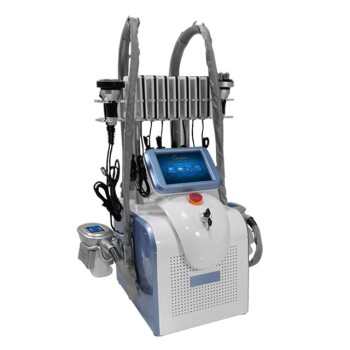
Laser lipolysis is generally considered safe, but like any medical procedure, it carries specific risks and side effects. The most common immediate reactions are temporary bruising and swelling at the treatment site, often accompanied by numbness, tingling, or minor pain that typically resolves within a few days to a week.
The Core Reality While the majority of side effects are mild and transient, the use of thermal energy introduces specific risks such as skin burns or discoloration. Success depends heavily on proper technique, as the margin between effective collagen stimulation and tissue damage is narrow.
Common Post-Procedure Reactions
Immediate Physical Symptoms
Most patients will experience bruising and swelling in the treated area. These are standard inflammatory responses to the procedure and usually subside quickly.
Sensory Changes
It is common to feel numbness or tingling following treatment. These sensations are generally temporary, resolving as the nerves in the treated area recover over the course of a week.
Discomfort and Tenderness
Minor pain and tenderness are frequently reported. This discomfort is typically manageable and short-lived, distinct from the intense pain associated with more invasive surgeries.
Skin and Tissue Risks
Thermal Injury and Burns
Because the procedure uses heat to liquefy fat, there is an inherent risk of thermal injury. There is a narrow window between the temperature needed to stimulate collagen and the temperature that causes damage to the dermis or epidermis.
Dermatological Changes
In some cases, patients may experience changes in skin color or pigmentation. Minor scarring is also a possibility, particularly if the site is not cared for properly during recovery.
Infection Risks
Although the procedure is often minimally invasive, there is a risk of infection at the site where the laser or cannula interacts with the skin. Proper post-procedure care is essential to mitigate this.
Rare but Severe Complications
Circulatory Issues
Though complications are rare, hematomas (collections of blood under the skin) can occur. In very severe and rare instances, blood clots have been reported.
Unknown Long-Term Risks
As laser lipolysis is a relatively new procedure compared to traditional methods, the potential for long-term risks is not yet fully documented or understood.
Understanding the Trade-offs
Effectiveness vs. Scale
Laser lipolysis is often inadequate for treating large areas of fat. It is frequently best used as an adjunctive treatment to liposuction rather than a complete replacement for massive volume reduction.
Operator Precision Challenges
The flexible nature of the laser fiber cannula can make it difficult for the surgeon to perceive the exact depth of the instrument. This lack of tactile feedback increases the reliance on the surgeon's skill to avoid thermal damage.
Procedure Time and Cost
Combining laser lipolysis with suction aspiration increases the procedural time. Additionally, the high cost of the equipment can be a barrier, potentially affecting availability and pricing for patients.
Making the Right Choice for Your Goal
Before proceeding, align your expectations with the capabilities of this technology.
- If your primary focus is safety and recovery: Laser lipolysis generally offers a better safety profile than traditional surgery, requiring no general anesthesia and resulting in less loose skin.
- If your primary focus is significant volume reduction: This procedure may be insufficient on its own and might require multiple treatments or combination with traditional liposuction to achieve desired results.
Select a provider who explicitly understands the thermal limits of the device to minimize the risk of burns while maximizing results.
Summary Table:
| Side Effect Category | Common Symptoms | Severity | Typical Duration |
|---|---|---|---|
| Physical Reactions | Bruising, swelling, & minor pain | Low | 3 - 7 Days |
| Sensory Changes | Numbness or tingling | Low | 1 Week |
| Skin Risks | Thermal burns, skin discoloration | Moderate | Varies |
| Severe Risks | Infection, hematoma, blood clots | High | Rare |
Elevate Your Clinic’s Body Sculpting Standards with BELIS
At BELIS, we understand that patient safety and precision are the cornerstones of a successful aesthetic practice. Our professional-grade medical aesthetic equipment is engineered to minimize risks like thermal injury while maximizing clinical outcomes.
Whether you are looking for advanced body sculpting solutions (EMSlim, Cryolipolysis, RF Cavitation) or high-precision laser systems like CO2 Fractional and Nd:YAG, BELIS provides the technology premium salons and clinics need to deliver superior results.
Ready to upgrade your technology? Contact us today to learn how our advanced systems can enhance your treatment safety profile and patient satisfaction.
Related Products
- Cryolipolysis Fat Freezing Cavitation Lipo Laser Machine
- Cryolipolysis Fat Freezing Machine with Cavitation and Laser Lipolysis
- Cryolipolysis Fat Freezing Machine Cavitation Lipo Laser Machine
- Cryolipolysis Fat Freezing Machine and Ultrasonic Cavitation Device
- Cryolipolysis Fat Freezing Machine Ultrasonic Cavitation Fat Reducing Device
People Also Ask
- What are the main benefits of using a fat freezing machine? Achieve Permanent, Non-Surgical Body Sculpting
- Do fat freezing machines really work? Achieve Non-Invasive Body Contouring
- What are the potential side effects and risks associated with fat freezing? Safety Profile & Rare Risks Explained
- What is the treatment principle of cryolipolysis fat freezing? Science-Backed Fat Reduction and Body Contouring
- What is the recommended treatment course for different body parts using the cryolipolysis machine? Expert Fat Loss Tips