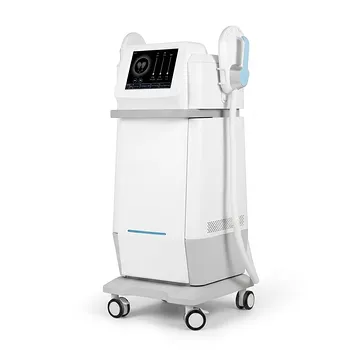
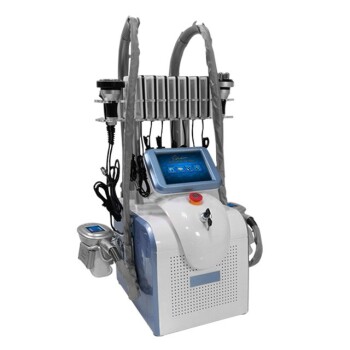
Combining RF, near-infrared light, and vacuum massage can provide broader body-contouring effects than any one modality alone. RF delivers controlled heat to deeper dermal and subcutaneous tissues, near-infrared light adds more superficial thermal stimulation, and vacuum massage mobilizes tissue while supporting circulation and lymphatic drainage. Clinically, this combination may improve localized circumference, cellulite appearance, skin laxity, and tissue texture without surgery, although results depend on the device, treatment protocol, and patient.
The central advantage is layered treatment: thermal energy addresses deeper fat and collagen-containing tissues, light supports superficial heating and remodeling, and vacuum provides mechanical mobilization and fluid clearance. These effects are complementary, but the treatment should be viewed as localized contouring—not a replacement for weight loss or liposuction.
Why the Three Modalities Complement One Another
RF reaches deeper tissue layers
Radiofrequency energy generates controlled heat in the dermal and subcutaneous tissues. This can support collagen contraction and remodeling, while also increasing thermal stress in localized adipose tissue.
The deeper heating component is particularly relevant when the clinical concern includes both mild skin laxity and localized fullness, rather than fat volume alone.
Near-infrared light adds superficial thermal treatment
Near-infrared light, commonly described within the approximately 700–1500 nm range in these systems, primarily contributes energy to more superficial tissues. It can support controlled dermal heating and may complement RF-induced thermal effects.
Because the energy is not based on high-intensity visible pigmentation-targeting wavelengths, it may be useful in protocols designed to limit pigment-related concerns. However, skin type and device settings still matter, and “pigment-safe” should not be treated as an absolute guarantee.
Vacuum massage provides a mechanical component
Negative-pressure suction lifts and mobilizes tissue into the applicator. This can improve contact and help distribute energy more consistently across uneven tissue contours.
The associated massage may also increase superficial blood flow, loosen fibrous tissue structures, and support lymphatic movement of interstitial fluid. These effects are especially relevant to cellulite, where fluid retention, fibrous septa, and skin laxity can contribute to an uneven appearance.
The Main Clinical Advantages
Broader treatment of cellulite
Cellulite is a multidimensional problem involving subcutaneous fat, connective-tissue septa, circulation, fluid balance, and skin quality. A combined device addresses several of these factors at the same time.
Thermal energy may soften or remodel fibrous structures and stimulate collagen changes, while vacuum massage mechanically smooths and mobilizes the tissue. The intended result is reduced dimpling and more even skin texture.
Potential circumference reduction
Clinical protocols using combined RF, infrared, and vacuum treatment have reported reductions in treated-area circumference, including the thighs. The mechanism may involve changes in tissue volume, fluid movement, and localized adipose remodeling.
The measurement should be interpreted as localized contour improvement, not systemic fat loss. Outcomes are generally more meaningful when the patient has relatively stable weight and a discrete treatment area.
Improvement in skin firmness and elasticity
Controlled dermal heating can cause short-term collagen contraction and support longer-term collagen remodeling, or neocollagenesis. This may improve the appearance of mild laxity and produce smoother-looking skin.
The degree of tightening is typically more modest than surgical excision or a surgical lift. It is best suited to patients seeking incremental improvement without incisions or general anesthesia.
Improved tissue circulation and fluid movement
Vacuum massage can increase local microcirculation and encourage lymphatic drainage. This may reduce the contribution of superficial edema or fluid congestion to an irregular contour.
These effects can also help explain why some patients notice a smoother appearance relatively soon after treatment, although early changes may be partly temporary and related to fluid shifts.
More uniform energy delivery
Suction draws the treatment area toward the handpiece and can stabilize the tissue during energy delivery. This may help the operator treat curved or uneven body surfaces more consistently.
The benefit depends on appropriate applicator design, suction control, skin contact, and operator technique. Mechanical assistance does not eliminate the need for careful treatment planning.
Potentially high patient acceptance
The combined approach is non-invasive and generally avoids surgical incisions, sutures, and prolonged recovery. When appropriately applied, it may offer a practical option for patients who want visible but moderate contour improvement.
Patient satisfaction is usually influenced by realistic expectations, comfort, the number of sessions, and the visibility of the treated concern—not simply by the technology used.
How the Combined Mechanism Works
Thermal effects on adipose tissue
RF and infrared energy heat targeted tissue layers in a controlled manner. This thermal stimulus may increase local metabolic activity and support adipose remodeling, while RF also contributes deeper heat than superficial light alone.
Claims that heating directly “melts” fat or guarantees fat-cell removal are too simplistic. The actual biological response depends on energy delivery, tissue temperature, exposure time, anatomy, and the specific device.
Effects on collagen and connective tissue
Heat can produce immediate collagen contraction and stimulate later remodeling. In cellulite treatment, thermal energy may also help soften the appearance of rigid connective-tissue structures.
Vacuum massage complements this by mobilizing and mechanically smoothing tissue. Together, these actions can improve the visual transition between skin and underlying fat.
Effects on microcirculation and lymphatic drainage
Suction and massage can increase local blood flow and encourage movement of interstitial fluid. This may help clear mobilized fluid and metabolic byproducts through normal physiological pathways.
It is more accurate to describe this as supporting fluid clearance and tissue circulation than as directly removing fat through the lymphatic system.
Potential synergy between energy and massage
The modalities address different physical targets: infrared light contributes superficial heating, RF contributes deeper thermal treatment, and vacuum contributes mechanical mobilization. Their combination therefore offers a more comprehensive protocol than relying on a single mechanism.
The word synergy should still be used carefully. A combined system may be clinically useful, but superiority over every single-modality treatment requires direct, well-designed comparative trials.
Understanding the Trade-offs
Results are limited and localized
These treatments are intended for body contouring and cellulite improvement, not substantial weight reduction. They cannot replace nutrition, exercise, bariatric treatment, or surgical fat removal when those interventions are clinically indicated.
Results may also vary by body area, skin quality, fat distribution, age, connective-tissue structure, and baseline weight stability.
Outcomes depend heavily on the protocol
Wavelength, RF configuration, power, temperature, suction level, treatment duration, applicator movement, and number of sessions all affect safety and effectiveness. Results from one branded device should not automatically be generalized to another.
Clinical evidence should therefore be evaluated for the specific device and protocol, not merely for the presence of RF, IR, and vacuum as technology categories.
Temporary effects can be mistaken for permanent contouring
Early improvement may reflect reduced fluid retention, increased circulation, or temporary tissue compression. More durable changes from collagen remodeling or adipose alteration generally require time and, often, multiple treatments.
Before-and-after assessment should use consistent photography and circumference measurements rather than relying only on immediate visual changes.
Adverse effects remain possible
Expected effects may include temporary redness, warmth, swelling, bruising, tenderness, or discomfort from suction. Excessive heat or pressure can increase the risk of burns, blistering, pigmentary changes, or tissue injury.
Treatment should be performed by appropriately trained professionals using temperature and suction controls, documented contraindication screening, and a protocol suited to the patient’s skin and tissue characteristics.
“No deeper damage” is not universal
A study may report no morphologic damage to deeper dermal structures under its tested conditions. That finding should not be presented as a universal property of every RF–IR–vacuum device or setting.
Safe treatment depends on controlled energy delivery, continuous monitoring where appropriate, correct handpiece movement, and avoiding treatment over unsuitable areas.
Making the Right Choice for Your Goal
The appropriate value of this combination depends on the clinical problem being treated and the strength of evidence for the specific device.
- If your primary focus is cellulite reduction: Favor a protocol that combines thermal remodeling with controlled vacuum massage, since cellulite involves both connective-tissue irregularities and fluid or circulation factors.
- If your primary focus is mild skin laxity: Prioritize a system with well-controlled RF heating and realistic expectations for gradual collagen remodeling rather than dramatic tightening.
- If your primary focus is localized circumference reduction: Use the treatment as a modest contouring option for stable-weight patients, not as a substitute for overall fat-loss treatment.
- If your primary focus is comfort and minimal downtime: Confirm the device’s temperature and suction controls, expected side effects, treatment schedule, and operator qualifications before proceeding.
Used with appropriate patient selection and realistic expectations, RF, near-infrared light, and vacuum massage can provide a practical, layered approach to localized contouring and cellulite improvement.
Summary Table:
| Clinical Advantage | Description |
|---|---|
| Cellulite Improvement | Combines thermal remodeling with vacuum massage to reduce dimpling and smooth skin texture. |
| Circumference Reduction | May reduce localized fullness, especially in stable-weight patients. |
| Skin Tightening | Stimulates collagen contraction and remodeling for improved firmness and elasticity. |
| Enhanced Circulation | Vacuum massage improves microcirculation and lymphatic drainage, reducing fluid congestion. |
| Uniform Energy Delivery | Suction stabilizes tissue for more consistent treatment, even on curved areas. |
| High Patient Acceptance | Non-invasive with minimal downtime, appealing to patients seeking moderate improvements. |
Ready to elevate your practice with advanced body contouring technology? BELIS offers professional-grade RF, IR, and vacuum systems designed for clinics and premium salons. Our devices provide safe, effective, and customizable treatments to help you achieve superior patient outcomes and grow your business. Contact our experts today to learn more about our innovative solutions and exclusive offers. Get in touch with us now!
Related Products
- Ultrasonic Cavitation Radiofrecuency Machine for Body Slimming
- EMSlim Neo Nova Body Sculpting EMS Sculpting Machine
- Cryolipolysis Fat Freezing Machine and Ultrasonic Cavitation Device
- EMS Body Sculpting Slimming Machine EMSlim Body Slimming Machine
- Ultrasonic Cavitation Machine Lipo Laser Device
People Also Ask
- What are the pros and cons of the ultrasonic cavitation slimming treatment? A Guide to Painless Body Contouring
- Does an ultrasonic cavitation machine also tighten the skin? Achieve Total Body Contouring with RF Synergy
- How does radiofrequency technology in slimming machines promote fat reduction? The Science of Non-Invasive Sculpting
- How should one prepare for an ultrasonic cavitation appointment? 5 Essential Tips for Maximum Fat Loss Results
- What areas of the body are targeted for ultrasonic cavitation? Best Zones for Effective Body Contouring