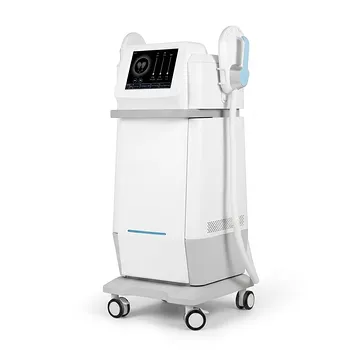
Cryolipolysis achieves selective fat reduction by cooling subcutaneous adipose tissue until susceptible fat cells undergo apoptosis, while surrounding skin and other tissues tolerate the controlled exposure. The treated fat is not removed immediately; the body gradually processes and clears the affected cells over approximately 1 to 3 months. Practitioners should generally communicate an average 20% to 30% reduction in fat-layer thickness after one session, with the most noticeable contouring results typically appearing around 4 to 5 months.
Cryolipolysis is a gradual contouring treatment, not an instant fat-removal procedure or weight-loss intervention. Patients should expect localized improvement to develop over several months, with results varying according to the treatment area, tissue characteristics, device protocol, and individual biology.
How Cryolipolysis Selectively Targets Fat
Controlled cooling reaches subcutaneous fat
A professional cryolipolysis applicator delivers controlled cooling to a localized area of pinchable subcutaneous fat. The applicator may use suction to draw the tissue into a treatment interface while maintaining regulated thermal exposure.
The device’s temperature control and treatment protocol are critical. Practitioners should follow the specific manufacturer instructions and validated settings rather than treating a single temperature value as universal across all systems.
Fat cells are more cold-sensitive than surrounding tissue
Adipocytes contain lipid-rich material that is more vulnerable to controlled cold exposure than the surrounding skin and other tissues. This difference in cold sensitivity creates the basis for selective fat injury.
The goal is to affect the targeted adipose layer without damaging the overlying epidermis and dermis. Surrounding structures, including nerves, blood vessels, and muscle, generally have greater tolerance to the controlled exposure when the procedure is performed appropriately.
Apoptosis initiates gradual fat-cell loss
Controlled cooling can produce cold-induced injury and apoptosis, also known as programmed cell death, in susceptible fat cells. This is a biological process rather than mechanical extraction.
The treated cells remain in the body temporarily. Their elimination depends on the body’s inflammatory and clearance processes, so visible contour improvement develops progressively rather than immediately.
What Happens After Treatment
The first days are not the final result
Immediately after treatment, patients may see temporary effects such as redness, swelling, firmness, numbness, or tenderness. These short-term responses should not be confused with the eventual reduction in fat volume.
The treated area may initially look unchanged or temporarily appear fuller because of local swelling. Practitioners should set expectations around the biological timeline rather than promising an immediate visual transformation.
Clearance develops over one to three months
During the following weeks, an inflammatory response helps the body identify and clear apoptotic fat cells. Macrophages play a major role in ingesting cellular debris as the treatment area gradually remodels.
The primary clearance phase generally occurs over approximately 1 to 3 months. The pace can differ between patients and treatment areas.
Peak contouring may occur later
Although cellular clearance begins earlier, the most apparent visual contouring result typically becomes evident around 4 to 5 months after treatment. This later endpoint allows time for the inflammatory response, cellular clearance, and tissue remodeling to progress.
A follow-up assessment should therefore be timed appropriately. Evaluating the final outcome too early can underestimate the treatment’s effect.
What Efficacy Should Patients Expect?
Communicate an average localized reduction
Clinical evaluations indicate an average 20% to 30% reduction in fat-layer thickness from a single treatment session. This figure should be presented as an average clinical expectation, not a guaranteed result for every patient.
The outcome is localized to the treated fat compartment. It should not be described as a percentage of total body weight or as a substitute for weight management.
Results vary between individuals
Visible improvement depends on factors such as the amount and distribution of pinchable fat, treatment-area anatomy, applicator fit, protocol adherence, and individual clearance response. Patient selection and realistic counseling are therefore as important as the device itself.
Some patients may require additional treatment to pursue further contour refinement. Whether another session is appropriate should be determined after the initial result has had sufficient time to develop.
The treatment improves contours, not overall weight
Cryolipolysis is intended for localized body contouring. It is most appropriate for discrete fat deposits that remain despite lifestyle efforts, rather than for generalized obesity or substantial weight reduction.
Patients should understand that the scale may show little or no meaningful change even when the treated area becomes visibly slimmer.
Which Patients Are Appropriate Candidates?
Look for discrete, pinchable fat deposits
Suitable candidates typically have localized subcutaneous fat in areas such as the abdomen, flanks, or thighs. The tissue must be accessible to the applicator and sufficiently pinchable for effective treatment.
A consultation should distinguish localized fat prominence from skin laxity, muscle contour, visceral fat, or generalized weight gain. Cryolipolysis cannot directly correct these other conditions.
Assess skin quality and expectations
Patients with significant tissue laxity may be disappointed if their primary concern is loose skin rather than localized fat. Reducing a fat pocket does not tighten lax skin in the same way as a dedicated skin-tightening or surgical procedure.
Candidates should also understand that improvement is gradual and may be moderate rather than dramatic.
Screen for cold-related risks
Practitioners must review the patient’s medical history and the device’s contraindications before treatment. Particular caution is required for patients with significant cold hypersensitivity or other conditions for which controlled cold exposure may be inappropriate.
The clinical team should rely on the device’s labeling, professional training, and applicable local standards when determining eligibility.
Understanding the Trade-offs
The benefit is non-surgical convenience
Cryolipolysis requires no surgical incision and generally involves minimal to no downtime. This makes it attractive to patients seeking localized contour adjustment without liposuction.
However, non-invasive does not mean risk-free or instantly effective. Temporary sensory and inflammatory effects can occur, and patient selection remains essential.
The outcome is gradual and variable
The biological clearance process is slower than surgical fat removal. Patients who want an immediate or highly predictable volume change may find the timeline less suitable.
Practitioners should avoid guaranteeing a specific percentage reduction or promising identical results across treatment areas and patients.
Device quality and protocol matter
Professional systems rely on controlled thermal regulation, appropriate applicator design, and consistent treatment delivery. Results cannot be inferred from cooling alone; they depend on using a clinically appropriate device and protocol.
Marketing claims should be evaluated against the specific system’s clinical evidence, regulatory status, treatment parameters, and approved indications.
It does not address every contour concern
Cryolipolysis does not directly treat visceral fat, generalized obesity, marked skin laxity, or all causes of body-shape dissatisfaction. A thorough consultation prevents the technology from being used for a problem it was not designed to solve.
How to Apply This to Patient Counseling
Patients should receive a clear timeline and a realistic definition of success before treatment.
- If your primary focus is explaining the mechanism: Emphasize that controlled cooling selectively injures cold-sensitive subcutaneous adipocytes, while surrounding tissues tolerate the treatment when the correct protocol is used.
- If your primary focus is setting the timeline: Explain that clearance generally occurs over 1 to 3 months, while peak visible contouring commonly appears around 4 to 5 months.
- If your primary focus is communicating efficacy: Present the average single-session reduction as approximately 20% to 30% of localized fat-layer thickness, not total body weight.
- If your primary focus is selecting candidates: Prioritize patients with discrete, pinchable fat deposits and realistic expectations, while screening for cold-related contraindications and significant skin laxity.
- If your primary focus is planning follow-up: Assess the result only after sufficient biological clearance has occurred, and consider additional treatment only when clinically appropriate.
When practitioners frame cryolipolysis as gradual, localized contour refinement rather than instant weight loss, patients can make informed decisions and judge results against realistic expectations.
Summary Table:
| Aspect | Key Points |
|---|---|
| Mechanism | Controlled cooling triggers apoptosis in fat cells; surrounding tissue spared. |
| Timeline | Clearance: 1–3 months; Peak contouring: 4–5 months. |
| Efficacy | Average 20–30% fat-layer thickness reduction per session. |
| Patient Selection | Ideal for pinchable fat; screen for cold sensitivity and skin laxity. |
| Counseling | Set realistic expectations; gradual results not weight loss. |
Ready to elevate your clinic's body contouring offerings with our advanced cryolipolysis devices? Our professional-grade systems ensure safe, effective, and gradual fat reduction for your patients. Contact us today to discuss how BELIS can support your practice with cutting-edge technology and comprehensive training. Get in touch with our experts now.
Related Products
- Cryolipolysis Fat Freezing Machine Ultrasonic Cavitation Fat Reducing Device
- Fat Freezing Cryolipolysis Machine for Body Contouring
- Fat Freezing Cryolipolysis Machine for Body Contouring
- Cryolipolysis Fat Freezing Machine with Cavitation and Laser Lipolysis
- Cryolipolysis Fat Freezing Machine and Ultrasonic Cavitation Device
People Also Ask
- What are the main benefits of using a fat freezing machine? Achieve Permanent, Non-Surgical Body Sculpting
- Do fat freezing machines really work? Achieve Non-Invasive Body Contouring
- What are the potential side effects and risks associated with fat freezing? Safety Profile & Rare Risks Explained
- What is the treatment principle of cryolipolysis fat freezing? Science-Backed Fat Reduction and Body Contouring
- What are the technical advantages of using lower temperatures and shorter durations in cryolipolysis fat reduction?