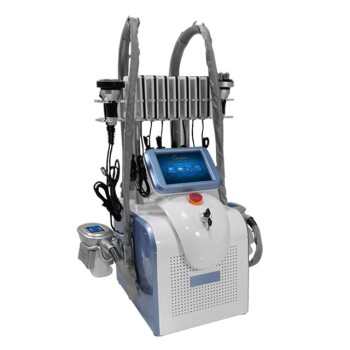
The fundamental difference lies in the mechanism of action and the intensity of results. Liposuction is an invasive surgical procedure that physically extracts fat cells for immediate, dramatic volume reduction, but it requires anesthesia and significant recovery time. In contrast, non-invasive slimming machines utilize external technologies to break down fat without incisions, offering a lower-risk alternative with minimal downtime that results in more subtle, gradual changes to body contour.
While liposuction delivers rapid and substantial reshaping through surgical removal, slimming machines provide a safer, gradual approach best suited for fine-tuning rather than major transformation. The correct choice hinges on whether you prioritize dramatic results or a non-surgical experience with zero recovery time.
Comparing Mechanisms and Results
Surgical Extraction vs. Metabolic Breakdown
Liposuction is defined by its invasive nature. It involves making incisions to physically remove fat tissue from the body.
Slimming machines operate on a completely different principle. They are non-invasive and work by facilitating the breakdown of fat cells from the outside, requiring no entry into the body.
Immediate Impact vs. Gradual Change
Because liposuction physically removes mass, the results are typically immediate and dramatic. It effectively reshapes the body in a single procedure.
Slimming machines produce results that are far more subtle. They typically require multiple sessions to achieve visible changes, making them better suited for mild contouring rather than significant weight reduction.
The Role of Anesthesia
Liposuction necessitates the use of anesthesia to manage the pain of surgery. This introduces specific medical risks associated with sedation.
Non-invasive machines function without the need for anesthesia. This eliminates the grogginess and medical risks tied to being sedated.
Understanding the Trade-offs
Assessing Medical Risk
Liposuction carries inherent surgical risks. These can include infection, scarring, and complications related to the invasive nature of the work.
Slimming machines involve significantly less risk. Because the skin is never broken, the likelihood of complications is drastically lower.
Recovery and Downtime
The recovery period for liposuction can be extensive. Patients often face downtime where physical activity is restricted while the body heals from surgery.
Slimming machines offer minimal to no downtime. You can typically return to your daily routine immediately after a treatment session.
Financial Implications
Surgical procedures generally command a significantly higher financial cost due to the personnel and facilities required.
While slimming machines may require multiple sessions, the entry cost is generally lower, though total costs can accumulate depending on the number of treatments needed.
Making the Right Choice for Your Goals
To determine the best path forward, you must weigh the desire for results against your tolerance for surgical intervention.
- If your primary focus is significant, immediate volume reduction: Liposuction is the superior choice for physically removing stubborn fat deposits to dramatically alter body shape.
- If your primary focus is avoiding surgery and downtime: Non-invasive slimming machines offer a safe, convenient way to subtly improve body contours without interrupting your life.
Ultimately, your decision should align with your specific aesthetic targets and your willingness to undergo a medical recovery period.
Summary Table:
| Feature | Liposuction (Surgical) | Slimming Machines (Non-Invasive) |
|---|---|---|
| Mechanism | Physical fat extraction via incision | External metabolic breakdown (e.g., EMSlim, Cryo) |
| Results | Immediate and dramatic | Gradual and subtle (requires sessions) |
| Anesthesia | Required (General or Local) | Not required |
| Downtime | Extensive (Days to Weeks) | Minimal to None |
| Risk Level | High (Infection, Scarring) | Low (Non-surgical) |
| Ideal For | Major volume reduction | Fine-tuning and body sculpting |
Elevate Your Clinic’s Sculpting Results with BELIS
Are you looking to provide your clients with the latest alternatives to invasive surgery? BELIS specializes in professional-grade medical aesthetic equipment designed exclusively for premium clinics and salons. From high-performance EMSlim body sculpting and Cryolipolysis to advanced RF Cavitation systems, our portfolio empowers you to deliver safe, effective, and non-surgical fat reduction results.
Why Partner with BELIS?
- Advanced Technology: Access professional laser systems (Diode, CO2, Nd:YAG) and specialized care devices like HIFU and Microneedle RF.
- Client Satisfaction: Offer zero-downtime solutions that keep your clients coming back.
- Expert Support: We provide the tools you need to stay at the forefront of the aesthetic industry.
Ready to upgrade your equipment and grow your business? Contact us today to explore our full range of solutions!
Related Products
- EMS Body Sculpting Slimming Machine EMSlim Body Slimming Machine
- EMSlim RG Laser Body Sculpting and Slimming Machine
- Ultrasonic Cavitation Radiofrecuency Machine for Body Slimming
- EMS Body Sculpting Machine for Body Slimming and Sculpting
- Cryolipolysis Cavitation Machine Fat Cavitation Machine
People Also Ask
- Does EMS sculpting really work? Achieve Clinically-Proven Body Contouring
- What is the recommended waiting period after liposuction before EMslim? Optimize Your Body Contouring Results Safely
- Is EMSlim safe? Ensuring Your Safety in Non-Invasive Body Contouring
- Can EMslim treatment be administered after a liposuction procedure? Enhance and Refine Post-Surgical Body Contouring
- How long does it take to see results from EMSlim? A Realistic Timeline for Lasting Body Contouring