Introduction
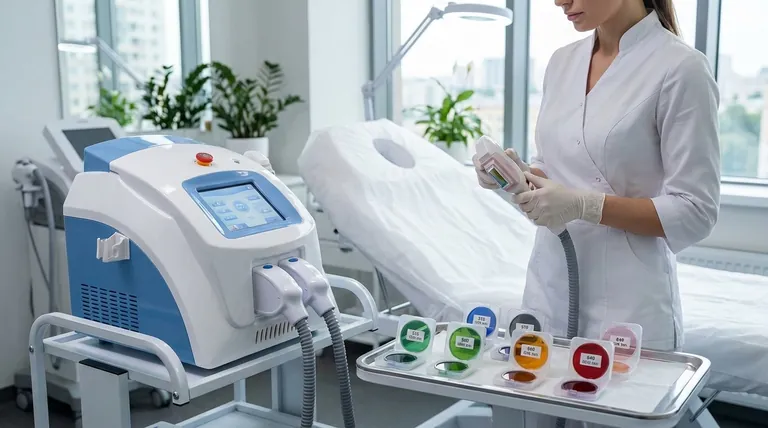
Modern aesthetic practices demand versatile, cost-effective solutions. The latest IPL (Intense Pulsed Light) systems address this need through spectral versatility—enabling single devices to treat pigmentation, vascular lesions, and photo-aging while reducing equipment investments. This article breaks down the science, economics, and clinical adaptability behind these multi-functional platforms, offering actionable insights for clinics and salons.
The Science Behind Expert Filter Technology
Wavelength Optimization Principles
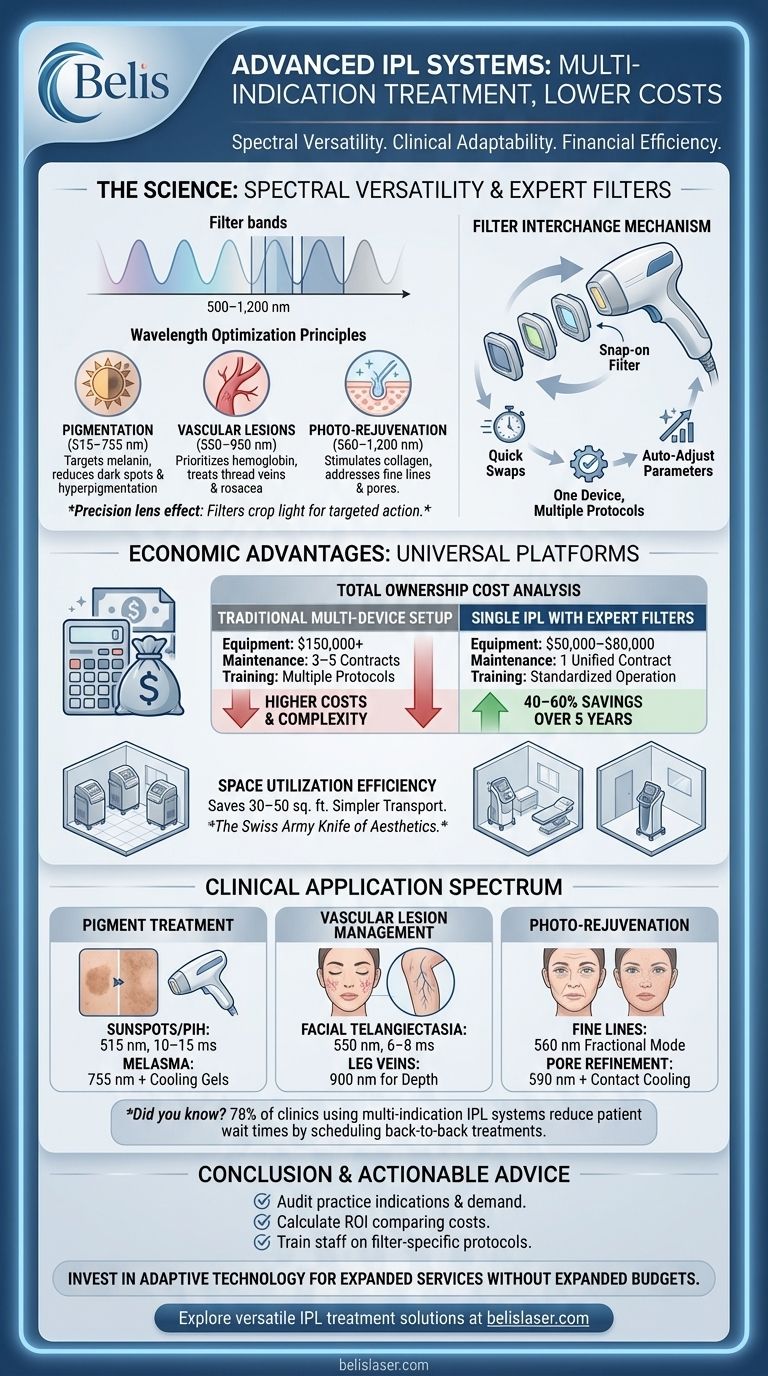
IPL systems emit broad-spectrum light (500–1,200 nm), but targeted treatments require precise wavelengths. Here’s how expert filters optimize output:
- Pigmentation: 515–755 nm filters target melanin absorption peaks.
- Vascular lesions: 550–950 nm filters prioritize hemoglobin absorption.
- Photo-rejuvenation: 560–1,200 nm filters stimulate collagen with minimal epidermal damage.
Ever wondered how one device adapts to diverse skin concerns? The secret lies in interchangeable filters that "crop" the light spectrum like a precision lens.
Filter Interchange Mechanism
Modular filter designs allow quick swaps between indications:
- Snap-on filters with spectral coatings block irrelevant wavelengths.
- Pre-set energy parameters auto-adjust per filter (e.g., lower fluence for vascular treatments).
This eliminates the need for multiple devices, streamlining workflows.
Economic Advantages of Universal Platforms
Total Ownership Cost Analysis
| Cost Factor | Traditional Multi-Device Setup | Single IPL with Expert Filters |
|---|---|---|
| Equipment Purchase | $150,000+ | $50,000–$80,000 |
| Maintenance | 3–5 service contracts | 1 unified contract |
| Training | Multiple protocols | Standardized operation |
Clinics report 40–60% savings over 5 years by consolidating to versatile IPL systems.
Space Utilization Efficiency
- Smaller clinics: A single IPL device replaces 2–3 machines, freeing 30–50 sq. ft.
- Mobile practitioners: Lightweight, all-in-one systems simplify transport.
Think of it as swapping a clunky toolbox for a Swiss Army knife—same utility, less bulk.
Clinical Application Spectrum
Pigment Treatment Protocols
- Sunspots/Post-inflammatory hyperpigmentation: 515 nm filter with 10–15 ms pulses.
- Deeper melasma: 755 nm filter combined with cooling gels to protect epidermis.
Vascular Lesion Management
- Facial telangiectasia: 550 nm filter, 6–8 ms pulses (low energy, high repetition).
- Leg veins: 900 nm filter for deeper penetration.
Photo-Rejuvenation Adaptations
- Fine lines: 560 nm filter with fractional mode for even collagen stimulation.
- Pore refinement: 590 nm filter + contact cooling to minimize redness.
Did you know? 78% of clinics using multi-indication IPL systems reduce patient wait times by scheduling back-to-back treatments.
Conclusion & Actionable Advice
Versatile IPL systems like those from Belis exemplify clinical efficiency through spectral adaptability. To maximize value:
- Audit your practice’s most common indications—choose filters that match demand.
- Calculate ROI by comparing multi-device costs vs. a unified platform.
- Train staff on filter-specific protocols to ensure consistent outcomes.
By investing in adaptive technology, clinics can expand services without expanding their equipment budget—a win for practitioners and patients alike.
Products You Might Be Looking For:
Explore versatile IPL treatment solutions
Visual Guide
Related Products
- IPL SHR+Radio frecuency machine
- IPL SHR Hair Removal Machine for Permanent Hair Removal
- Diode Laser SHR Trilaser Hair Removal Machine for Clinic Use
- Trilaser Diode Hair Removal Machine for Beauty Clinic Use
- Clinic Use IPL SHR ND YAG Laser Hair Removal RF Skin Tightening Machine
Related Articles
- How SHR Machines Solve Multiple Skin Concerns Beyond Hair Removal
- How RF Machines Deliver Multifunctional Aesthetic Solutions: Efficacy, ROI, and Treatment Optimization
- How a Single SHR Device Transforms Beauty Businesses into Multi-Service Hubs
- How IPL Treats Multiple Body Areas Safely: A Dermatologist-Approved Guide
- How IPL Safely Treats Multiple Skin Concerns Across All Skin Types

















