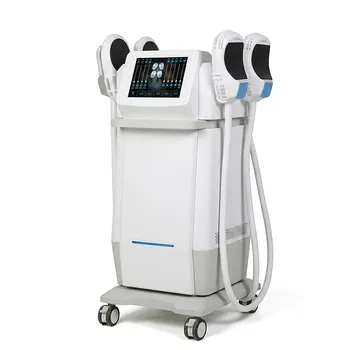
Avoid RF and ultrasound on actively inflamed skin because added thermal or mechanical energy can intensify the inflammation, worsen redness, and delay recovery. These modalities may increase vascular dilation and tissue irritation, while compromised skin is less able to tolerate stimulation safely. Treatment should be postponed until the skin barrier has stabilized and the inflammation has resolved or is appropriately managed.
Active inflammation is a safety signal, not a treatment target. Screening the skin before treatment helps prevent unnecessary irritation, flare-ups, impaired healing, and other avoidable complications.
Why Inflamed Skin Is More Vulnerable
The skin barrier is already compromised
Inflamed skin may have increased sensitivity, impaired barrier function, redness, swelling, or microscopic tissue damage. This reduces its ability to regulate heat and tolerate friction or mechanical stimulation.
Adding an energy-based treatment before the skin has recovered can increase discomfort and prolong the inflammatory process.
Inflammation already involves vascular activity
Inflammation commonly includes increased blood flow and vascular dilation. Thermal energy from RF or ultrasound can amplify this response, potentially worsening erythema, warmth, and swelling.
This is particularly important in conditions with active vascular inflammation, such as rosacea.
Tissue has less capacity to recover
Healthy tissue can usually manage a controlled treatment stimulus and then repair itself. Actively inflamed tissue is already using its recovery capacity, so additional stimulation may impair healing rather than support the intended aesthetic outcome.
How RF and Ultrasound Can Aggravate Inflammation
Radiofrequency adds thermal stress
RF devices generate heat in tissue to produce a controlled therapeutic response. On inflamed skin, that heat can increase vascular dilation and irritation beyond the skin’s current tolerance.
The result may be increased redness, sensitivity, discomfort, or a flare-up of the underlying condition.
Ultrasound may add thermal and mechanical stimulation
Ultrasound systems can deliver both heat and mechanical effects, depending on the device and treatment settings. These effects may aggravate tissue that is already irritated or structurally fragile.
Avoidance is therefore prudent whenever the treatment area shows active inflammation, especially when sensitivity or barrier disruption is present.
Active rosacea requires particular caution
Active rosacea can involve pronounced sensitivity, barrier disruption, and chronic vascular inflammation. Thermal or mechanically stimulating equipment—including RF, ultrasound, and facial steam—may trigger further vasodilation and worsen a flare.
Treatment should be deferred until the skin has calmed, with any alternative modality selected according to the client’s condition and professional protocol.
Why Pre-Treatment Assessment Matters
Look beyond the client’s treatment goal
A client may request tightening, contouring, or skin rejuvenation, but the immediate priority is determining whether the skin can safely tolerate the procedure. Redness, heat, swelling, active lesions, tenderness, and visible barrier disruption should prompt closer evaluation.
Aesthetic outcomes cannot be separated from the condition of the tissue receiving the treatment.
Use appropriate diagnostic methods
A thorough consultation and professional skin analysis can help identify active inflammation that may not be obvious from a brief visual inspection. Findings should be documented and used to decide whether to proceed, modify the plan, or postpone treatment.
When the condition is uncertain, the safer choice is to avoid energy-based treatment until appropriate guidance has been obtained.
Treat the cause, not just the visible symptom
Inflammation is not simply an aesthetic irregularity to be heated or stimulated away. It is a sign that the tissue is responding to stress, irritation, injury, or an underlying skin condition.
The correct response is to reduce aggravating factors and support stabilization rather than add further intensity.
Understanding the Trade-offs
Postponing treatment may be the most effective decision
Delaying a session can be inconvenient for both the client and practitioner. However, proceeding on inflamed skin may create a flare-up that requires a longer recovery period and interrupts the treatment plan more substantially.
A short delay generally protects treatment continuity and client confidence.
Lower intensity does not automatically make treatment appropriate
Reducing settings may reduce energy exposure, but it does not remove the underlying concern if the skin is actively inflamed. Suitability depends on the client’s condition, the device, the treatment area, and the manufacturer’s and practitioner’s protocols—not intensity alone.
High intensities should never be used to shorten RF or ultrasound treatment time, because excessive energy can cause burns without improving therapeutic results.
Alternative modalities still require assessment
Non-thermal, soothing approaches—such as appropriate red LED phototherapy or gentle supportive care—may be considered in some protocols. They are not automatically safe for every client or inflammatory condition, so the skin must still be assessed before use.
Aggressive massage, high-friction stimulation, and vigorous mechanical techniques should also be avoided on actively inflamed areas because they can increase irritation and damage fragile tissue.
How to Apply This to Client Treatments
Use a clear stop-and-review process before every RF or ultrasound session:
- If the skin shows active inflammation: Postpone RF, ultrasound, and other heating or mechanically stimulating treatments until the area has calmed and the barrier has recovered.
- If the client has active rosacea or marked vascular sensitivity: Avoid thermal equipment on the affected area and follow an appropriate professional management or referral pathway.
- If redness or sensitivity is uncertain: Complete a professional skin assessment rather than relying only on the client’s treatment objective.
- If treatment is resumed after recovery: Reassess the skin, follow device-specific protocols, and use controlled settings and adequate treatment time.
- If the goal is to soothe irritation: Consider only suitable low-irritation alternatives within professional scope, rather than substituting one unassessed modality for another.
Protecting inflamed skin first gives the client the best chance of healing safely and achieving the intended aesthetic result.
Summary Table:
| Risk Factor | Why It's a Concern | Recommended Action |
|---|---|---|
| Compromised barrier | Reduced tolerance to heat/stimulation | Postpone treatment until skin healed |
| Vascular activity | Increased blood flow may worsen erythema | Avoid thermal/mechanical modalities |
| Reduced recovery capacity | Impaired healing potential | Delay to support tissue repair |
| Active rosacea | High sensitivity to vasodilation | Defer and follow management protocol |
| Uncertain inflammation | Hidden inflammation may be present | Conduct thorough skin assessment |
Protect your clients and elevate your practice with BELIS's professional-grade aesthetic devices. Whether you need advanced RF, ultrasound, or comprehensive laser systems, our equipment is designed for safe, effective treatments. With certifications, OEM/ODM support, and reliable supply, we're your trusted partner in clinical excellence. Contact us today to learn how BELIS can enhance your clinic or salon.
Related Products
- Ultrasonic Cavitation Radiofrecuency Machine for Body Slimming
- 9D 7D HIFU Vaginal RF Lifting Treatment
- IPL SHR+Radio frecuency machine
- 7D 12D 4D HIFU Machine Device
- Ultrasonic Cavitation Machine Lipo Laser Device
People Also Ask
- What are the pros and cons of the ultrasonic cavitation slimming treatment? A Guide to Painless Body Contouring
- Does an ultrasonic cavitation machine also tighten the skin? Achieve Total Body Contouring with RF Synergy
- How does radiofrequency technology in slimming machines promote fat reduction? The Science of Non-Invasive Sculpting
- How should one prepare for an ultrasonic cavitation appointment? 5 Essential Tips for Maximum Fat Loss Results
- What areas of the body are targeted for ultrasonic cavitation? Best Zones for Effective Body Contouring