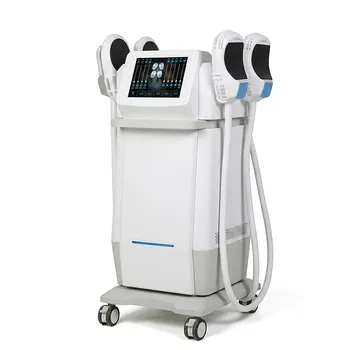
Between every patient treatment, professional medical aesthetic equipment and surrounding work surfaces must be cleaned and disinfected according to the disinfectant manufacturer’s label. Handpieces, equipment surfaces, treatment tables, controls, and other touched areas should be decontaminated after each appointment and immediately whenever blood or potentially infectious material is present. Staff must use appropriate PPE, follow OSHA bloodborne-pathogen procedures, and allow the disinfectant to remain visibly wet for its required contact time.
The governing standard is consistent, documented infection control: clean away contamination, use an appropriately registered healthcare disinfectant effective against relevant bloodborne pathogens, observe the label’s contact time, and complete the process before the next patient is treated.
What Must Be Decontaminated Between Treatments
Equipment Work Surfaces
All surfaces that may have been touched, splashed, or contaminated during treatment should be cleaned and disinfected before the next patient arrives. This includes device housings, control panels, cables, treatment stands, and other frequently handled areas.
Visible blood or bodily fluid must be addressed immediately rather than waiting until the end of the appointment block or workday.
Handpieces and Treatment Accessories
Handpieces and reusable accessories require special attention because they come closest to the patient and may contact skin, fluids, or treatment materials. They should be processed according to the device manufacturer’s instructions and the facility’s infection-control protocol.
A surface disinfectant is not automatically suitable for every handpiece, optical component, cable, or accessory. The product must be compatible with the equipment materials and approved for the intended use.
Treatment-Room Surfaces
Treatment tables, positioning supports, stools, countertops, light handles, door handles, and other nearby high-touch surfaces should be included in the between-patient turnover process when they may have been touched or contaminated.
Disposable barriers can reduce contamination, but they do not replace cleaning and disinfection of the underlying surface when contamination may have passed through or occurred outside the barrier.
What the Disinfectant Standard Requires
Use an Appropriate Healthcare Disinfectant
The product should be EPA-registered for use on healthcare surfaces and labeled as effective against the relevant pathogens or organisms of concern. For bloodborne-pathogen exposure control, the product’s label should address pathogens such as HIV and hepatitis B virus, where applicable.
The primary reference’s phrase “FDA-cleared disinfectant” requires clarification: surface disinfectants are generally registered by the EPA, while the FDA regulates medical devices and certain other products. A clinic should verify both the disinfectant’s regulatory status and its compatibility with the specific equipment.
Follow the Product Label
The label is the enforceable use instruction for dilution, application method, required wet contact time, storage, and safety precautions. Wiping a surface and immediately drying it may not achieve the stated disinfection claim.
Staff should use enough product to keep the surface visibly wet for the full contact time, then follow any required rinsing or residue-removal instructions.
Clean Before Disinfecting
Disinfection is less reliable when blood, tissue, gel, or other organic material remains on the surface. Staff should first remove visible soil using the procedure and cleaning agent specified by the device and disinfectant manufacturers.
Cleaning materials should be discarded or processed appropriately after use so they do not spread contamination to other equipment or rooms.
Personnel and OSHA Requirements
Wear Appropriate PPE
Staff handling contaminated equipment or disinfectants should use PPE appropriate to the exposure risk, including gloves at a minimum when contact with blood, bodily fluids, or contaminated surfaces is reasonably anticipated.
Eye or face protection, protective clothing, and other PPE may be necessary when splashing or aerosolization is possible. PPE selection should follow the facility’s exposure-control plan and the disinfectant’s safety information.
Follow Bloodborne-Pathogen Controls
OSHA’s Bloodborne Pathogens Standard requires applicable employers to use an exposure-control program, provide training, offer required protections, and establish procedures for occupational exposure. Decontamination practices must be part of that broader program.
Employees whose duties may expose them to blood or other potentially infectious materials should receive required bloodborne-pathogen training and periodic retraining under the applicable OSHA requirements and facility policy.
Separate Clean and Contaminated Items
Used accessories, wipes, gloves, and other contaminated materials should be handled in a way that prevents contact with clean supplies and untreated equipment. Clean items should not be placed on surfaces that have not completed the disinfection process.
Single-use components should be discarded after use and never reprocessed unless they are specifically designed and validated for reuse.
Documenting the Turnover Process
Use a Written Checklist
A practical turnover checklist should identify the equipment and room surfaces requiring attention, the disinfectant used, the required contact time, and any equipment-specific precautions.
The process should also state who is responsible for completing and verifying the cleaning before the next treatment.
Verify Equipment Instructions
Device manufacturers may prohibit certain chemicals, immersion methods, abrasive materials, or excessive liquid near electrical and optical components. Those restrictions must be reconciled with the clinic’s infection-control procedure.
When the disinfectant label and equipment instructions appear to conflict, the clinic should obtain clarification from the manufacturer or infection-control professional before using the product.
Treat Contamination as an Immediate Event
Blood or potentially infectious material requires prompt containment and decontamination. Staff should follow the exposure-control plan, use appropriate PPE, dispose of contaminated materials correctly, and report occupational exposures through the facility’s established process.
End-of-day cleaning does not satisfy the requirement to address contamination that occurs during the workday.
Understanding the Trade-offs
Broad Efficacy Versus Equipment Compatibility
A disinfectant with strong or broad antimicrobial claims may damage plastics, coatings, seals, adhesives, metals, or optical surfaces. Effective infection control requires a product that is both microbiologically appropriate and safe for the specific device.
The strongest-looking chemical is not necessarily the correct choice if it compromises equipment performance or creates residue that can contact the patient.
Speed Versus Required Contact Time
Fast room turnover can create pressure to wipe and immediately reuse equipment. That practice is inadequate when it fails to maintain the label-required wet contact time.
Clinics should design scheduling, staffing, and equipment availability around the actual disinfection time rather than treating it as an optional delay.
Barriers Versus Complete Disinfection
Disposable covers and drapes can simplify cleaning and reduce surface contamination. They do not eliminate the need to disinfect exposed equipment, frequently touched controls, or any surface that may have contacted blood or potentially infectious material.
Regulatory Claims Versus Local Requirements
Regulatory registration does not by itself guarantee that a product is suitable for every device or every clinical scenario. Facilities must also comply with OSHA requirements, manufacturer instructions, applicable public-health rules, and their own written exposure-control and infection-control policies.
Making the Right Choice for Your Goal
The appropriate procedure should be specific to the device, the treatment, and the exposure risk.
- If your primary focus is patient safety: Disinfect equipment handpieces, touched surfaces, and treatment-room areas after every patient treatment and immediately after any blood or bodily-fluid contamination.
- If your primary focus is regulatory compliance: Use an EPA-registered healthcare-surface disinfectant with applicable bloodborne-pathogen claims, follow its label exactly, and maintain OSHA-required training and exposure-control procedures.
- If your primary focus is equipment longevity: Confirm chemical compatibility and cleaning restrictions with each device manufacturer before standardizing a disinfectant.
- If your primary focus is operational consistency: Use a documented turnover checklist that records the required wet contact time and confirms completion before the next patient.
A defensible standard is simple: every patient receives equipment that has been cleaned, appropriately disinfected, fully processed for the required contact time, and verified ready for use.
Summary Table:
| Aspect | Requirement |
|---|---|
| Surfaces | Clean and disinfect all touched areas between patients |
| Disinfectant | EPA-registered healthcare disinfectant effective against bloodborne pathogens |
| Contact Time | Keep surface visibly wet for label-required time |
| Cleaning | Remove visible soil before disinfecting |
| PPE | Wear gloves and other protective gear as needed |
| Documentation | Use a checklist and verify completion |
Ensure your clinic meets strict decontamination standards with professional-grade equipment from BELIS. Our advanced laser and aesthetic devices are designed for easy cleaning and disinfection, helping you maintain safety and compliance. Contact us today to learn more about our range of FDA-cleared and CE-certified equipment.
Related Products
- Cryolipolysis Fat Freezing Machine and Ultrasonic Cavitation Device
- Tri Laser Diode Hair Removal Machine Professional Beauty Equipment
- Hydrofacial Machine Facial Clean Face and Skin Care Machine
- EMSlim Neo Nova Body Sculpting EMS Sculpting Machine
- 22D HIFU Machine Device Facial Machine
People Also Ask
- What are the main benefits of using a fat freezing machine? Achieve Permanent, Non-Surgical Body Sculpting
- What anatomical factors determine whether a patient with submental fullness should be treated with cryolipolysis fat-reduction devices versus energy-based skin tightening modalities?
- What are the potential side effects and risks associated with fat freezing? Safety Profile & Rare Risks Explained
- What are the technical advantages of using lower temperatures and shorter durations in cryolipolysis fat reduction?
- What are the core differences in mechanism and clinical application between cryolipolysis and thermal modalities like radiofrequency and ultrasound for non-invasive body contouring?