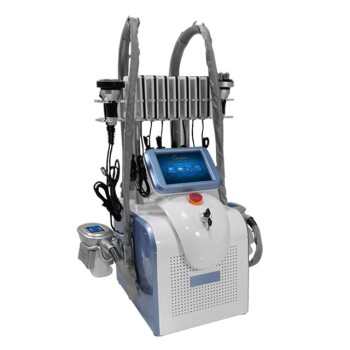
Cryolipolysis is strictly contraindicated for individuals suffering from cold-induced medical conditions, severe nerve disorders, or compromised skin integrity. Specifically, conditions such as Raynaud’s phenomenon, cryoglobulinemia, and cold urticaria render this procedure unsafe because the treatment relies on intense, localized cooling that can trigger severe, potentially systemic physiological reactions in these patients.
Core Takeaway Cryolipolysis is a targeted stressor that relies on the body's ability to tolerate extreme cold without a pathological response. It is unsafe for anyone with cold-sensitivity disorders or compromised nerve function, and it is chemically ineffective for patients seeking weight loss rather than body contouring.
The Critical Risks of Cold-Sensitivity Disorders
The mechanism of cryolipolysis involves freezing fat cells. For most patients, this is harmless. However, for patients with specific autoimmune or vascular conditions, this exposure to cold acts as a biological trigger for disease progression.
Vascular and Blood Abnormalities
Patients with Cryoglobulinemia must avoid this procedure. In this condition, abnormal proteins in the blood solidify or gel when exposed to cold temperatures, leading to restricted blood flow and potential organ damage.
Similarly, Cold Agglutinin Disease and Paroxysmal Cold Hemoglobinuria (PCH) are absolute contraindications. These are autoimmune disorders where cold exposure causes the immune system to attack and destroy red blood cells, leading to severe anemia.
Skin and Circulatory Reactions
Raynaud’s phenomenon is a major disqualifier. Because this condition causes blood vessels to narrow excessively in response to cold, cryolipolysis can dangerously impede blood flow to the treatment area.
Additionally, patients with Cold Urticaria should not undergo treatment. This condition causes the skin to develop hives or severe allergic reactions immediately upon exposure to cold, which would be triggered instantly by the device.
Skin Health and Neurological Factors
Beyond cold sensitivity, the physical nature of the device—which uses vacuum suction and freezing temperatures—requires healthy skin and intact sensation to be safe.
Compromised Nerve Function
Individuals with nerve disorders, particularly diabetes-related neuropathy, are generally unsuitable candidates.
Neuropathy often reduces sensation. A patient with nerve damage may not be able to feel if the cooling device is causing frostbite or thermal injury, preventing the practitioner from stopping the procedure before damage occurs.
Active Skin Inflammation
The procedure cannot be performed on areas with compromised skin barriers. This includes inflammatory disorders like eczema or psoriasis, as well as active rashes or lesions.
Furthermore, treatment should not be applied over varicose veins. The suction and pressure involved in the application of the cooling applicator can worsen these existing vascular issues.
Understanding the Trade-offs: Efficacy vs. Safety
While the conditions above represent safety hazards, there are also physical states where the procedure is "unsuitable" because it will fail to yield results or may worsen the aesthetic appearance.
The Limitation of Skin Tone
Cryolipolysis removes fat, but it does not tighten skin. Therefore, it is unsuitable for individuals with loose skin or poor skin tone.
Removing the structural support of fat from an area with lax skin will likely result in the skin hanging more loosely, worsening the patient's appearance rather than improving it.
Weight vs. Contouring
This procedure is contraindicated for patients with a diagnosis of obesity.
Cryolipolysis is a contouring treatment, not a weight-loss solution. It is designed to treat stubborn pockets of fat, not significant excess weight. Patients seeking substantial weight reduction will not see the desired changes and may be disappointed by the subtle nature of the results.
Determining Your Suitability
Before considering cryolipolysis, you must categorize your medical history to ensure both safety and efficacy.
- If your primary focus is Safety: You must avoid this procedure if you have any history of Raynaud’s, cryoglobulinemia, or cold urticaria, as the cold exposure can trigger a medical emergency.
- If your primary focus is Skin Health: Do not treat areas affected by eczema, psoriasis, varicose veins, or where nerve sensation is reduced by diabetes-related neuropathy.
- If your primary focus is Results: Avoid this procedure if you have loose skin or significant obesity, as the treatment cannot correct skin laxity or replace weight loss methods.
- If your primary focus is Timing: Postpone treatment if you are currently pregnant or breast-feeding, as the procedure has not been cleared for these conditions.
Successful cryolipolysis requires a healthy tolerance to cold and sufficient skin elasticity to adapt to volume reduction.
Summary Table:
| Category | Condition / Factor | Reason for Contraindication |
|---|---|---|
| Cold Sensitivity | Raynaud’s, Cryoglobulinemia, Cold Urticaria | High risk of systemic reactions or blood protein gelling. |
| Nerve & Skin | Diabetic Neuropathy, Eczema, Psoriasis | Impaired sensation leads to frostbite risk; skin barrier is too weak. |
| Vascular Health | Varicose Veins | Vacuum suction can exacerbate existing vascular damage. |
| Aesthetic Suitability | Obesity or Loose Skin | Procedure is for contouring, not weight loss; may worsen skin laxity. |
Deliver Safe & Effective Results with BELIS Technology
To ensure the highest safety standards and exceptional patient outcomes, choosing the right professional equipment is essential. BELIS specializes in professional-grade medical aesthetic equipment designed exclusively for clinics and premium salons.
Our advanced portfolio includes:
- Precision Cooling Systems: Professional Cryolipolysis solutions.
- Laser Technologies: Diode Hair Removal, CO2 Fractional, Nd:YAG, and Pico lasers.
- Body Sculpting: EMSlim, RF Cavitation, and specialized skin testers.
Whether you are upgrading your clinic's body contouring capabilities or seeking expert guidance on the latest HIFU and Microneedle RF systems, BELIS is your trusted partner in aesthetic excellence.
Ready to elevate your practice? Contact us today to consult with our experts!
Related Products
- Cryolipolysis Fat Freezing Machine Ultrasonic Cavitation Fat Reducing Device
- Cryolipolysis Fat Freezing Machine and Ultrasonic Cavitation Device
- Cryolipolysis Fat Freezing Cavitation Lipo Laser Machine
- Cryolipolysis Fat Freezing Machine with Cavitation and Laser Lipolysis
- Cryolipolysis Fat Freezing Machine Cavitation Lipo Laser Machine
People Also Ask
- What are the main benefits of using a fat freezing machine? Achieve Permanent, Non-Surgical Body Sculpting
- Do fat freezing machines really work? Achieve Non-Invasive Body Contouring
- What are the potential side effects and risks associated with fat freezing? Safety Profile & Rare Risks Explained
- What is the treatment principle of cryolipolysis fat freezing? Science-Backed Fat Reduction and Body Contouring
- What are the technical advantages of using lower temperatures and shorter durations in cryolipolysis fat reduction?